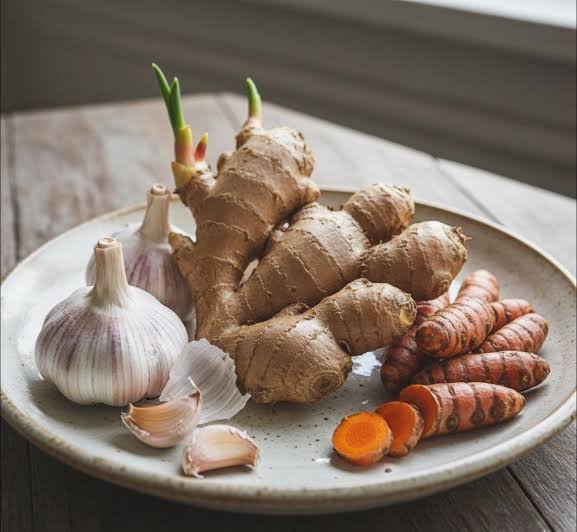
Healthy eating does not mean giving up your favorite foods or following a complicated diet. It is about making thoughtful choices, enjoying a variety of ingredients and developing habits that fit your everyday lifestyle.
Whether you enjoy traditional Indian meals, Mediterranean dishes, Asian cuisine or Western favorites, simple changes to your ingredients and cooking methods can help you prepare more balanced meals without sacrificing flavor.
In This Article
1. Build Balanced Meals
A balanced meal combines vegetables, fruits, protein sources, whole grains and appropriate amounts of healthy fats. Including a variety of foods helps you obtain different nutrients rather than relying on a single ingredient.
Vegetables & Fruits
Add color, fiber, vitamins and minerals to your meals.
Whole Grains
Choose oats, brown rice, whole-wheat roti or millets.
Protein Foods
Include lentils, beans, eggs, fish, tofu or chicken.
For example, dal with whole-wheat roti, cooked vegetables and plain yogurt can provide a useful combination of protein, carbohydrates and other nutrients. You can use the same principle when preparing salads, rice bowls, pasta or soups.
2. Eat More Fruits and Vegetables
Fruits and vegetables provide fiber, vitamins, minerals and beneficial plant compounds. Eating different colors throughout the week is a practical way to increase variety in your diet.

- Leafy greens: Spinach and other leafy vegetables provide folate and other important nutrients.
- Orange produce: Carrots and pumpkin contain beta-carotene, which the body can convert into vitamin A.
- Fresh fruits: Oranges, berries, apples and other fruits contribute fiber and a variety of vitamins.
Add fruit to breakfast, include vegetables in your lunch and serve a fresh salad alongside dinner. Fresh, frozen and suitable canned produce can all help you achieve more variety.
3. Choose Whole Grains More Often
Whole grains retain their bran, germ and endosperm, providing fiber and a range of nutrients. Replacing some refined grains with whole-grain alternatives is a straightforward way to improve everyday meals.
Try These Ingredients
- • Oats and barley
- • Whole-wheat flour
- • Brown rice
- • Ragi and jowar
Easy Meal Ideas
- • Oatmeal with fresh fruit
- • Whole-wheat roti with dal
- • Brown rice vegetable bowls
- • Millet-based breakfast dishes
You do not have to eliminate white rice or your favorite traditional breads. Start with small substitutions and choose foods that suit your taste, budget and nutritional needs.
4. Include Protein-Rich Foods
Protein supports the growth and repair of body tissues and helps maintain muscle. Include suitable protein sources regularly, choosing from both plant-based and animal-based foods according to your preferences.

Lentils, chickpeas, kidney beans, tofu, nuts, eggs, fish, chicken, milk and yogurt are useful options. Popular dishes such as chana masala, rajma, dal and egg curry can fit into a balanced eating pattern.
5. Choose Healthier Fats
Fat is an essential part of the diet, but the type of fat matters. Replacing some saturated fats with unsaturated fats can support heart health.
Nuts, seeds, peanuts, olives, olive oil, avocado and oily fish are examples of foods that provide unsaturated fats. Use oils thoughtfully and pay attention to portion sizes, since fats are energy-dense.
6. Experiment With Healthier Cooking Methods
You can often make everyday recipes more nutritious by changing how you prepare them. Steaming, baking, roasting and grilling can reduce the need for added oil compared with deep frying.
Steam & Boil
Prepare vegetables and other suitable ingredients with little or no added oil.
Bake & Roast
Bring out the flavor of vegetables, fish and chicken with herbs and spices.
Use Fresh Seasonings
Try ginger, garlic, cumin, coriander, lemon and fresh herbs for flavor.
Measure Cooking Oil
Use an appropriate amount rather than pouring oil freely into the pan.
Fried foods can still be enjoyed occasionally. The goal is to develop a varied cooking routine that balances flavor, convenience and nutrition.
7. Be Mindful of Added Sugar and Salt
Sweetened drinks, packaged snacks, sauces and convenience foods can contribute substantial amounts of sugar or sodium. Reading labels and making small adjustments can help you manage your intake.
- 01. Choose water more often than sugary drinks.
- 02. Reduce added sugar in tea and coffee gradually.
- 03. Use herbs, spices and lemon to add flavor without relying entirely on salt.
- 04. Compare nutrition labels when choosing packaged foods.
The World Health Organization recommends that adults consume less than 2,000 mg of sodium per day, equivalent to less than 5 g of salt from all sources. Individual dietary needs may vary.
8. Stay Hydrated Throughout the Day
Water supports normal body functions and helps maintain hydration. Your fluid needs depend on factors such as climate, physical activity and health.
Simple Hydration Habits
- ✓ Keep drinking water accessible.
- ✓ Have water with your meals.
- ✓ Carry water when travelling or exercising.
- ✓ Include water-rich foods such as cucumber and watermelon.
Unsweetened tea and other suitable drinks can contribute to fluid intake. If you have a medical condition requiring fluid restriction, follow your healthcare professional's advice.
9. Plan Your Meals Ahead
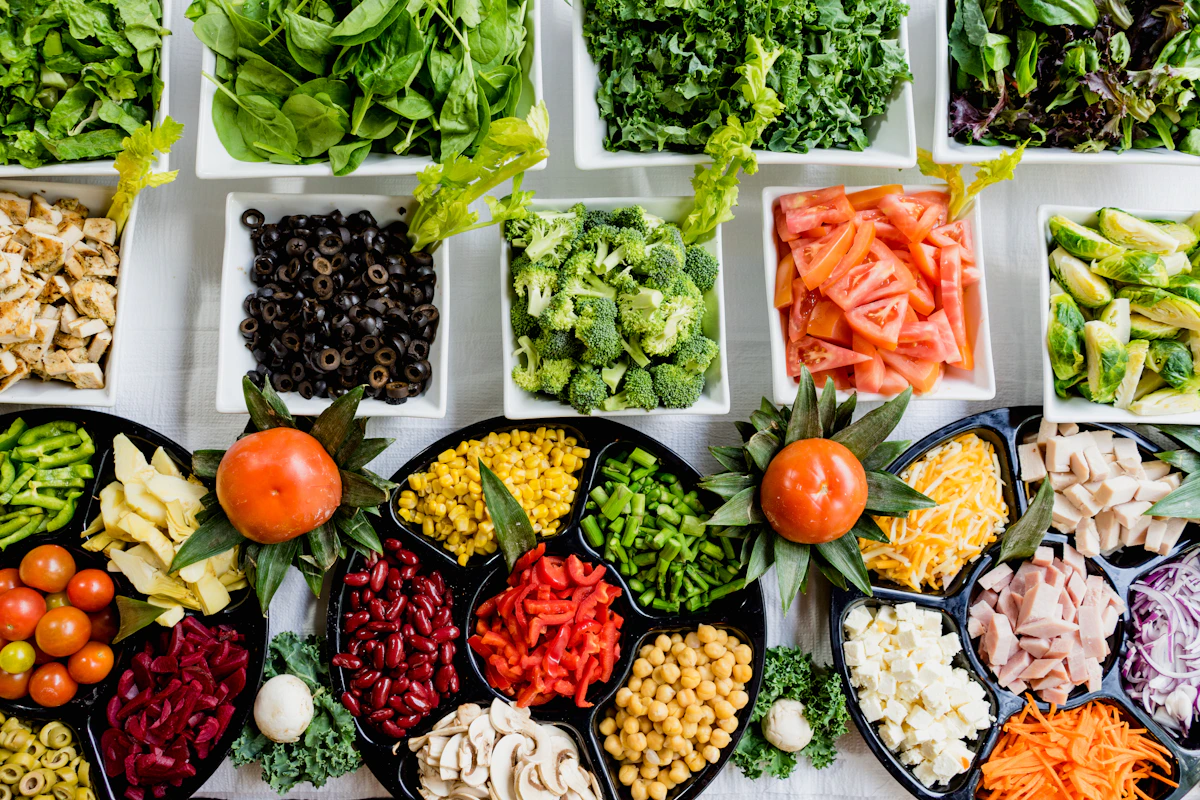
Planning meals in advance can save time, reduce food waste and make balanced eating easier during a busy week.
-
1
Prepare a simple menu
Choose meals that share ingredients and suit your weekly schedule.
-
2
Prepare ingredients
Wash vegetables and cook suitable grains or pulses ahead of time.
-
3
Store food safely
Refrigerate perishable food promptly and reheat leftovers thoroughly.
10. Try an Easy Chickpea and Vegetable Bowl
This simple vegetarian bowl combines chickpeas, whole grains and fresh vegetables. It makes a convenient lunch or dinner and can be adapted to your favorite ingredients.

Ingredients
- □ 1 cup cooked chickpeas
- □ 1 cup cooked brown rice or quinoa
- □ 1 cup chopped cucumber
- □ 1 medium tomato, chopped
- □ 1 small grated carrot
- □ 1 cup leafy greens
- □ 1 tablespoon lemon juice
- □ 1 teaspoon olive oil
- □ Black pepper to taste
- □ Fresh coriander or parsley
Preparation Method
- Step 1: Prepare the grains. Cook the brown rice or quinoa according to the package instructions.
- Step 2: Chop the vegetables. Wash and cut the cucumber and tomato, grate the carrot, and prepare the leafy greens.
- Step 3: Mix the dressing. Combine lemon juice, olive oil, black pepper and chopped herbs.
- Step 4: Assemble the bowl. Divide the grains, chickpeas and vegetables between two bowls, add the dressing and serve.
Recipe Tip
Add roasted vegetables, tofu, boiled eggs or grilled chicken if you prefer. Drain and rinse canned chickpeas before using.
Final Thoughts
Healthy eating is about building practical habits, not preparing perfect meals every day. Eating a wider variety of vegetables and fruits, choosing whole grains more often and including suitable protein sources can help you build a balanced eating pattern.
Start with one small change, experiment with different ingredients and enjoy the foods you love. Over time, these everyday choices can make nutritious home cooking a natural part of your lifestyle.