Basmati Rice
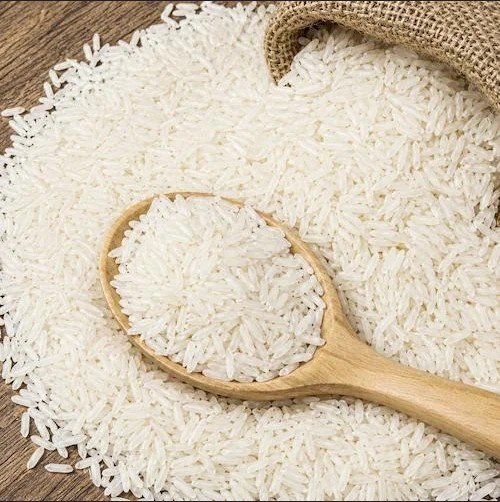
Basmati Rice is a premium long-grain rice renowned for its delicate aroma, fluffy texture, and elegant appearance. Grown primarily in the fertile foothills of the Himalayas, it is prized for grains that become long and separate after cooking rather than sticky. The word "Basmati" is derived from Sanskrit, meaning "fragrant," reflecting its naturally distinctive aroma.
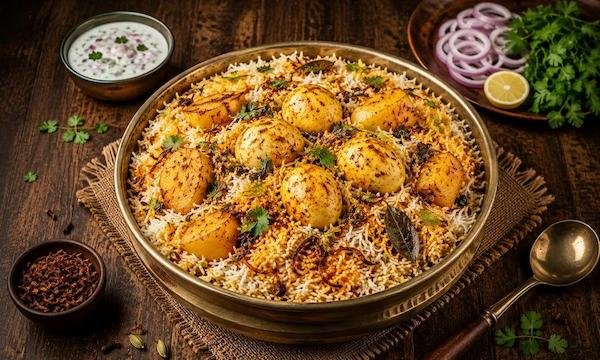
Unlike ordinary rice varieties, Basmati Rice is often aged after harvesting to enhance its fragrance, improve cooking quality, and produce a firmer texture. It is widely used in biryanis, pulao, fried rice, pilaf, and festive dishes across South Asia and beyond. Naturally rich in carbohydrates and containing small amounts of protein, B vitamins, and essential minerals, Basmati Rice serves as a versatile staple that pairs beautifully with vegetables, meats, seafood, and aromatic spices.
About Basmati Rice
Basmati Rice is a premium long-grain rice renowned for its delicate aroma, fluffy texture, and elegant appearance. Grown primarily in the fertile foothills of the Himalayas, it is prized for grains that become long and separate after cooking rather than sticky. The word "Basmati" is derived from Sanskrit, meaning "fragrant," reflecting its naturally distinctive aroma.
Unlike ordinary rice varieties, Basmati Rice is often aged after harvesting to enhance its fragrance, improve cooking quality, and produce a firmer texture. It is widely used in biryanis, pulao, fried rice, pilaf, and festive dishes across South Asia and beyond. Naturally rich in carbohydrates and containing small amounts of protein, B vitamins, and essential minerals, Basmati Rice serves as a versatile staple that pairs beautifully with vegetables, meats, seafood, and aromatic spices.
How to Use Basmati Rice
- Prepare biryani.
- Cook pulao.
- Make fried rice.
- Serve with curries.
- Prepare pilaf.
- Make rice bowls.
- Cook steamed rice.
- Prepare festive dishes.
- Stuff vegetables.
- Pair with saffron, cumin, cardamom, cinnamon, bay leaf, vegetables, chicken, lamb, seafood, and yogurt.
Storage Tips
- Store in an airtight container.
- Keep in a cool, dry place.
- Protect from direct sunlight.
- Keep away from moisture.
- Use a clean, dry scoop.
- Seal the container after each use.
- Check regularly for insects.
Health Benefits
- Good source of carbohydrates.
- Provides sustained energy.
- Naturally low in fat.
- Contains small amounts of protein.
- Rich in B vitamins.
- Easy to digest.
- Naturally gluten-free.
- Low in sodium.
- Supports balanced meals.
- Contributes to overall wellness.
Medical Insights
- Provides energy for daily activities.
- Suitable for gluten-free diets.
- Easy to digest when cooked.
- Can be included in balanced meal plans.
- Supports normal carbohydrate intake.
- Contains essential nutrients in small amounts.
- Suitable for soft-food diets.
- Best consumed as part of a varied diet.
Side Effects
- Excess consumption may increase calorie intake.
- Refined white rice contains less fiber than brown rice.
- Large portions may raise blood sugar levels.
- Poor storage may attract insects.
- Spoiled rice should not be consumed.
- Consume in moderation.
Allergen Alert
- Rice allergy is uncommon but possible.
- Naturally gluten-free.
- Cross-contamination with gluten-containing grains may occur during processing.
- Packaged products may contain traces of other grains.
- Always read product labels carefully.
Nutrition Information (per 100g)
| Nutrient | Amount (Per 100g) |
|---|---|
| Calories | 365 kcal |
| Carbohydrates | 80.0 g |
| Dietary Fiber | 1.3 g |
| Protein | 7.1 g |
| Fat | 0.7 g |
| Iron | 0.8 mg |
| Magnesium | 25 mg |
| Potassium | 115 mg |
| Thiamine (B1) | 0.16 mg |
Fun Facts
The unique aroma of Basmati Rice comes from a naturally occurring compound called 2-acetyl-1-pyrroline, which is also found in pandan leaves and freshly baked bread. Premium Basmati is often aged for several months or even years before sale, allowing the grains to lose moisture naturally and cook into longer, fluffier rice. Unlike many other rice varieties, the grains can nearly double in length during cooking while remaining separate, making Basmati Rice the preferred choice for biryanis and other celebratory dishes.
FAQ
What is Basmati Rice?
Basmati Rice is a premium long-grain aromatic rice primarily grown in the Indian subcontinent.
Why is Basmati Rice so fragrant?
Its distinctive aroma comes from a natural compound called 2-acetyl-1-pyrroline.
Should Basmati Rice be soaked before cooking?
Yes. Soaking for 20–30 minutes helps the grains cook evenly and become longer.
How should Basmati Rice be stored?
Store it in an airtight container in a cool, dry place away from moisture.
What dishes commonly use Basmati Rice?
It is widely used in biryanis, pulao, pilaf, fried rice, and served alongside curries.
Is Basmati Rice gluten-free?
Yes. Pure Basmati Rice is naturally gluten-free.
Why is aged Basmati Rice preferred?
Aging improves its aroma, reduces moisture, and helps the grains remain long and separate after cooking.
What ingredients pair well with Basmati Rice?
It pairs well with saffron, cardamom, cinnamon, cumin, bay leaf, vegetables, chicken, lamb, seafood, and yogurt.