Chicken
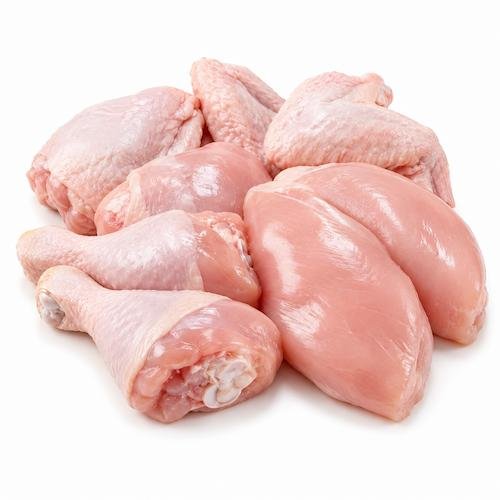
Chicken is one of the most widely consumed poultry meats in the world, valued for its tender texture, mild flavor, and exceptional versatility. It is obtained from domesticated chickens and is available in various cuts, including breast, thighs, drumsticks, wings, and whole birds. Different cuts vary in fat content, tenderness, and cooking suitability, making chicken adaptable to a wide range of culinary styles.
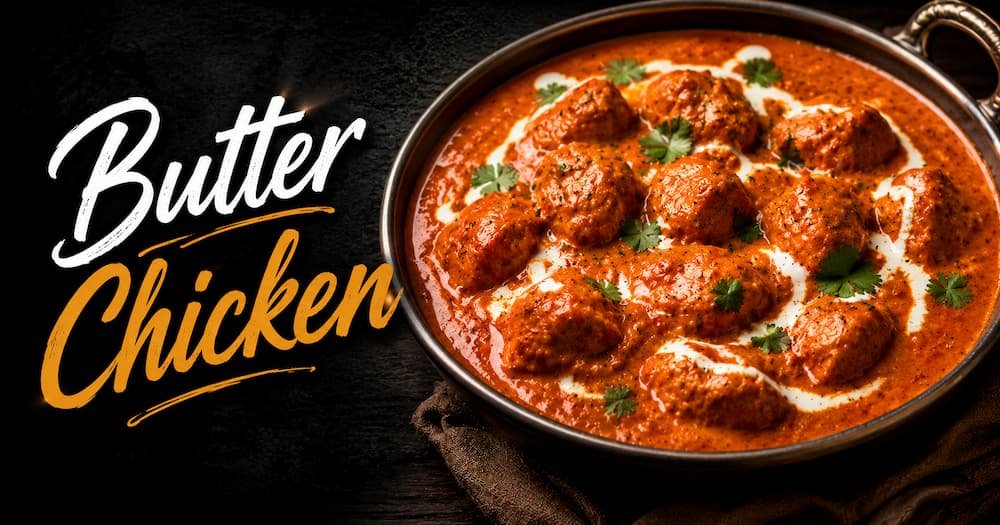
Used in cuisines across every continent, chicken is prepared by grilling, roasting, frying, baking, steaming, boiling, and slow cooking. It is the foundation of countless curries, soups, salads, sandwiches, stir-fries, biryanis, kebabs, and stews. Naturally rich in high-quality protein, niacin, vitamin B6, phosphorus, and selenium, chicken is a nutritious ingredient that supports a balanced diet while offering excellent flavor and culinary flexibility.
About Chicken
Chicken is one of the most widely consumed poultry meats in the world, valued for its tender texture, mild flavor, and exceptional versatility. It is obtained from domesticated chickens and is available in various cuts, including breast, thighs, drumsticks, wings, and whole birds. Different cuts vary in fat content, tenderness, and cooking suitability, making chicken adaptable to a wide range of culinary styles.
Used in cuisines across every continent, chicken is prepared by grilling, roasting, frying, baking, steaming, boiling, and slow cooking. It is the foundation of countless curries, soups, salads, sandwiches, stir-fries, biryanis, kebabs, and stews. Naturally rich in high-quality protein, niacin, vitamin B6, phosphorus, and selenium, chicken is a nutritious ingredient that supports a balanced diet while offering excellent flavor and culinary flexibility.
How to Use Chicken
- Prepare curries.
- Grill and barbecue.
- Roast whole chicken.
- Make biryanis.
- Prepare soups.
- Cook stir-fries.
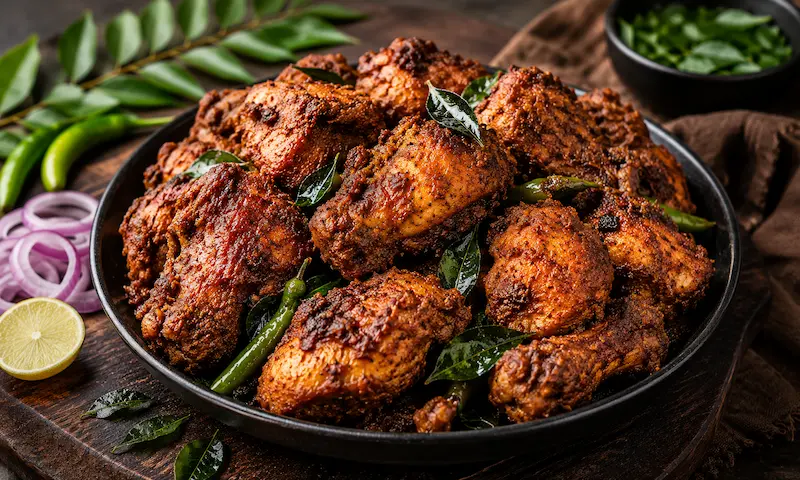
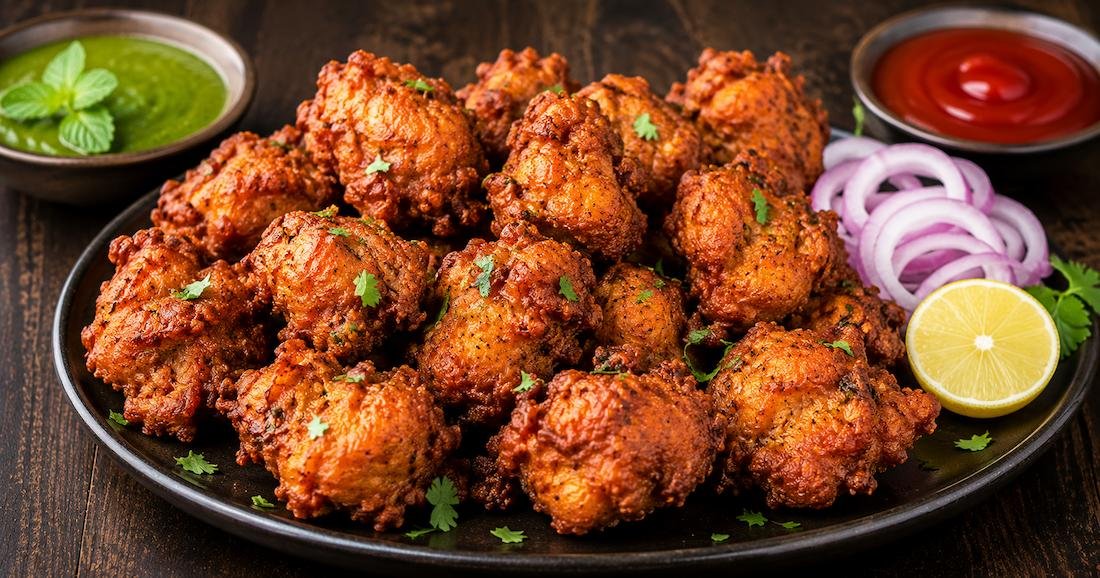
- Fry crispy chicken.
- Make sandwiches.
- Prepare kebabs.
- Pair with garlic, ginger, onion, yogurt, lemon, black pepper, paprika, herbs, butter, and vegetables.
Storage Tips
- Refrigerate immediately after purchase.
- Store below 4°C.
- Keep raw chicken in a sealed container.
- Freeze for long-term storage.
- Thaw safely in the refrigerator.
- Avoid repeated freezing and thawing.
- Cook promptly after thawing.
Health Benefits
- Rich in high-quality protein.
- Supports muscle maintenance.
- Good source of niacin (Vitamin B3).
- Provides vitamin B6.
- Rich in phosphorus.
- Contains selenium.
- Naturally low in carbohydrates.
- Supports tissue repair.
- Provides essential amino acids.
- Contributes to overall wellness.
Medical Insights
- High-quality protein supports muscle growth and repair.
- Niacin contributes to normal energy metabolism.
- Vitamin B6 supports nervous system function.
- Phosphorus helps maintain healthy bones.
- Selenium supports normal immune function.
- Can be included in balanced meal plans.
- Supports overall nutritional intake.
- Best consumed as part of a varied diet.
Side Effects
- Raw chicken may contain harmful bacteria.
- Improper cooking increases food safety risks.
- High-fat preparations may increase calorie intake.
- Processed chicken products may contain excess sodium.
- Some people may have poultry allergies.
- Always cook thoroughly before consumption.
Allergen Alert
- Chicken allergy is uncommon but possible.
- Processed chicken products may contain added allergens.
- Cross-contamination can occur during handling.
- Always store raw chicken separately from ready-to-eat foods.
- Check packaged products for added ingredients.
Nutrition Information (per 100g)
| Nutrient | Amount (Per 100g) |
|---|---|
| Calories | 165 kcal |
| Carbohydrates | 0 g |
| Protein | 31 g |
| Fat | 3.6 g |
| Cholesterol | 85 mg |
| Niacin (B3) | 13.7 mg |
| Vitamin B6 | 0.6 mg |
| Phosphorus | 220 mg |
| Selenium | 27.6 µg |
Fun Facts
Chicken is the most widely consumed poultry meat in the world and is featured in thousands of traditional recipes across different cultures. Because of its mild flavor, it readily absorbs marinades, herbs, and spices, making it one of the most versatile proteins in cooking. Different cuts offer unique textures and cooking characteristics—breast meat is lean and tender, while thighs and drumsticks are juicier and more flavorful due to their higher fat content. This versatility has made chicken a staple ingredient in both everyday meals and festive dishes worldwide.
FAQ
What is chicken?
Chicken is the meat obtained from domesticated chickens and is one of the world's most widely consumed poultry products.
Which part of the chicken is the leanest?
Skinless chicken breast is generally the leanest cut and is naturally high in protein.
How should raw chicken be stored?
Store it in the refrigerator below 4°C in a sealed container and cook within 1–2 days.
Can chicken be frozen?
Yes. Properly wrapped chicken can be frozen for up to 9–12 months while maintaining good quality.
Why should chicken be cooked thoroughly?
Proper cooking helps eliminate harmful bacteria and makes the meat safe to eat.
What ingredients pair well with chicken?
Chicken pairs well with garlic, ginger, onion, yogurt, lemon, herbs, black pepper, paprika, butter, and vegetables.
Is chicken a good source of protein?
Yes. Chicken is an excellent source of high-quality protein and essential amino acids.
Can chicken be used in different cuisines?
Yes. It is widely used in curries, soups, biryanis, stir-fries, grilled dishes, salads, sandwiches, and countless international recipes.