Egg
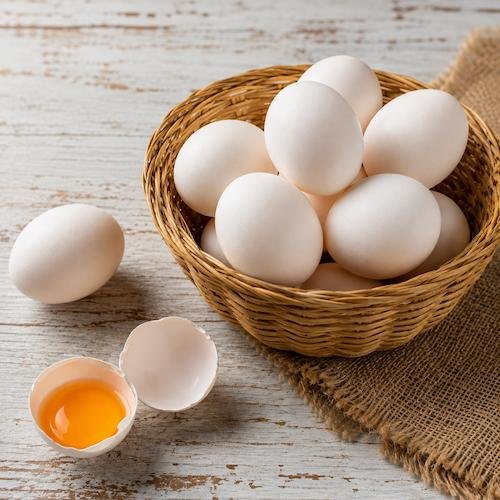
Eggs are one of the most versatile and nutritious animal-based foods, produced primarily by domesticated hens. Each egg consists of a protective shell, a nutrient-rich yolk, and a protein-rich egg white, making it an essential ingredient in countless culinary applications. Their mild flavor, smooth texture, and remarkable cooking properties have made eggs a staple food across cultures for centuries.
Widely consumed around the world, eggs are prepared by boiling, frying, poaching, scrambling, baking, and steaming. They are also indispensable in baking, where they provide structure, moisture, richness, and binding. Naturally rich in high-quality protein, vitamin B12, vitamin D, choline, selenium, and essential amino acids, eggs offer excellent nutritional value while complementing both simple everyday meals and elaborate gourmet recipes.
About Egg
Eggs are one of the most versatile and nutritious animal-based foods, produced primarily by domesticated hens. Each egg consists of a protective shell, a nutrient-rich yolk, and a protein-rich egg white, making it an essential ingredient in countless culinary applications. Their mild flavor, smooth texture, and remarkable cooking properties have made eggs a staple food across cultures for centuries.
Widely consumed around the world, eggs are prepared by boiling, frying, poaching, scrambling, baking, and steaming. They are also indispensable in baking, where they provide structure, moisture, richness, and binding. Naturally rich in high-quality protein, vitamin B12, vitamin D, choline, selenium, and essential amino acids, eggs offer excellent nutritional value while complementing both simple everyday meals and elaborate gourmet recipes.
How to Use Egg
- Boil eggs.
- Fry eggs.
- Make omelets.
- Prepare scrambled eggs.
- Bake cakes.
- Prepare custards.
- Make mayonnaise.
- Bind meat mixtures.
- Prepare sandwiches.
- Pair with butter, cheese, spinach, mushrooms, tomatoes, onion, black pepper, herbs, bread, and potatoes.
Storage Tips
- Refrigerate immediately after purchase.
- Store in the original carton.
- Keep below 4°C.
- Avoid washing before storage.
- Keep away from strong-smelling foods.
- Do not use cracked eggs.
- Consume before the expiry date.
Health Benefits
- Excellent source of high-quality protein.
- Rich in vitamin B12.
- Contains vitamin D.
- Good source of choline.
- Rich in selenium.
- Provides essential amino acids.
- Supports muscle maintenance.
- Contributes to brain health.
- Naturally low in carbohydrates.
- Supports overall wellness.
Medical Insights
- Protein supports muscle growth and repair.
- Choline contributes to normal brain function.
- Vitamin B12 supports healthy nerve function.
- Vitamin D supports bone health.
- Selenium helps reduce oxidative stress.
- Provides essential nutrients for balanced diets.
- Supports overall nutritional intake.
- Best consumed as part of a varied diet.
Side Effects
- Not suitable for individuals with egg allergies.
- Raw eggs may contain harmful bacteria.
- Excess consumption may increase cholesterol intake.
- Improper storage may reduce freshness.
- Undercooked eggs may pose food safety risks.
- Always cook or handle safely.
Allergen Alert
- Contains egg, a major food allergen.
- Not suitable for individuals with egg allergies.
- Processed foods may contain hidden egg ingredients.
- Cross-contamination may occur during food preparation.
- Always read packaged product labels carefully.
Nutrition Information (per 100g)
| Nutrient | Amount (Per 100g) |
|---|---|
| Calories | 143 kcal |
| Carbohydrates | 0.7 g |
| Protein | 12.6 g |
| Fat | 9.5 g |
| Cholesterol | 372 mg |
| Vitamin B12 | 1.1 µg |
| Vitamin D | 2.0 µg |
| Choline | 294 mg |
| Selenium | 30.7 µg |
Fun Facts
An egg contains all the nutrients needed to support the early development of a chick, making it one of nature's most complete foods. The shell color—white or brown—depends on the breed of the hen and does not affect taste or nutritional value. Eggs are also remarkable in cooking because they can thicken, bind, emulsify, and leaven foods, which is why they are essential in everything from cakes and pastries to sauces and pasta. Their versatility has made them a kitchen staple across virtually every cuisine.
FAQ
What is an egg?
An egg is a nutrient-rich food produced by hens, consisting of a shell, egg white, and yolk.
Are brown eggs healthier than white eggs?
No. The shell color depends on the breed of the hen and does not significantly affect nutrition or taste.
How should eggs be stored?
Store eggs in their original carton in the refrigerator below 4°C.
Can eggs be eaten every day?
Eggs can be part of a balanced diet, though individual dietary needs may vary.
What dishes commonly use eggs?
Eggs are used in omelets, curries, cakes, pastries, sandwiches, custards, sauces, and many breakfast dishes.
What ingredients pair well with eggs?
Eggs pair well with cheese, butter, spinach, mushrooms, tomatoes, onions, herbs, black pepper, bread, and potatoes.
Can eggs be frozen?
Eggs should not be frozen in their shells, but beaten eggs can be frozen in suitable containers.
Why are eggs important in baking?
Eggs provide structure, moisture, binding, emulsification, and leavening, helping create the desired texture in baked goods.