Mustard Oil
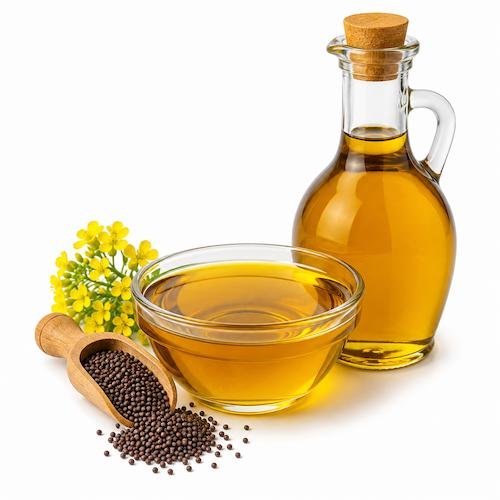
Mustard Oil is an edible oil extracted from the seeds of mustard plants and is widely used in the cuisines of India, Bangladesh, Nepal, and parts of Eastern Europe. It is recognized for its distinctive pungent aroma, bold flavor, and deep golden-yellow color. Unlike many neutral cooking oils, Mustard Oil adds a characteristic sharpness that enhances the taste of traditional dishes.
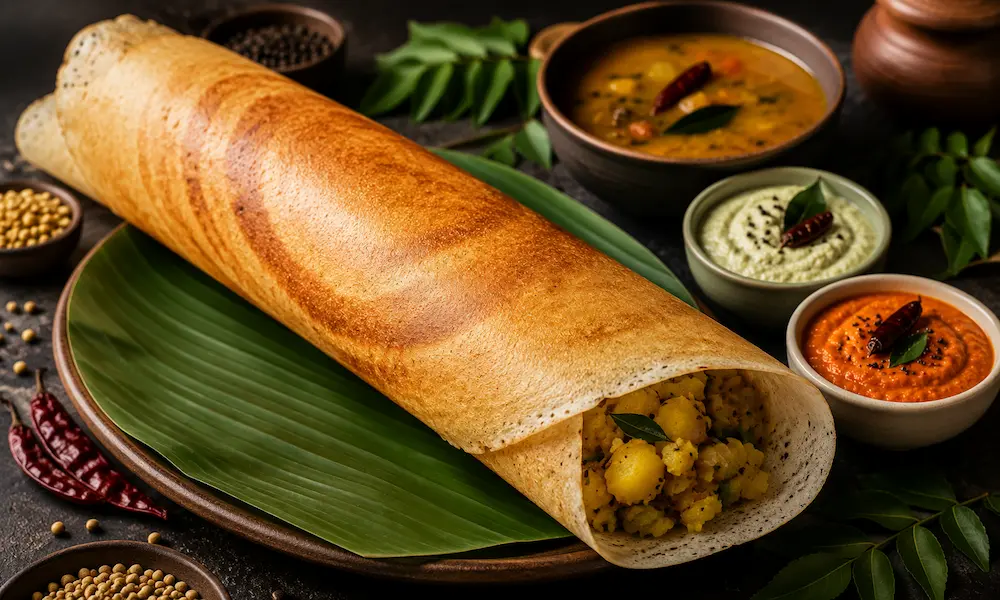
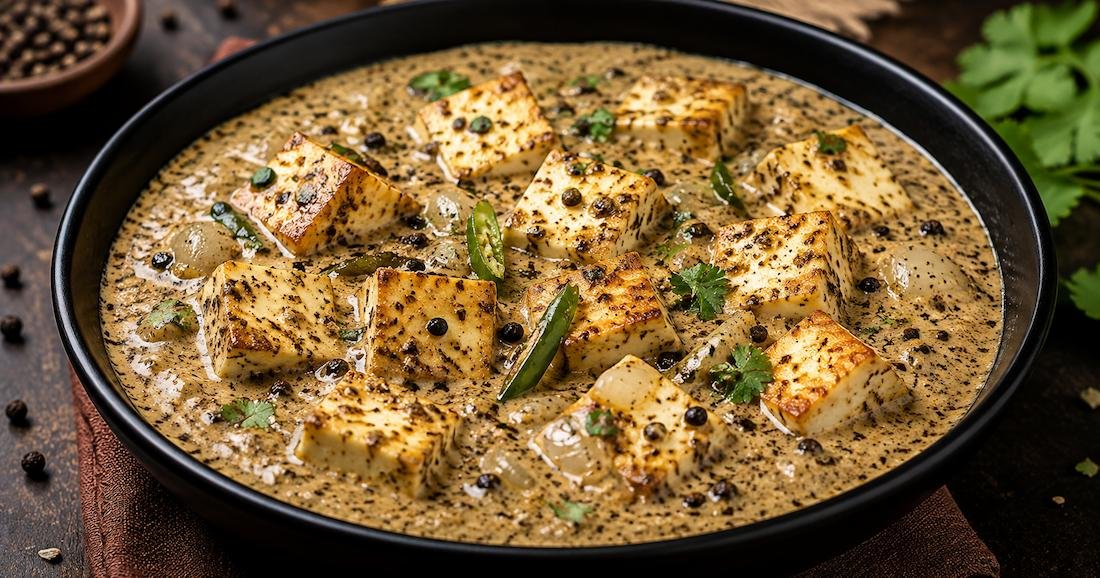
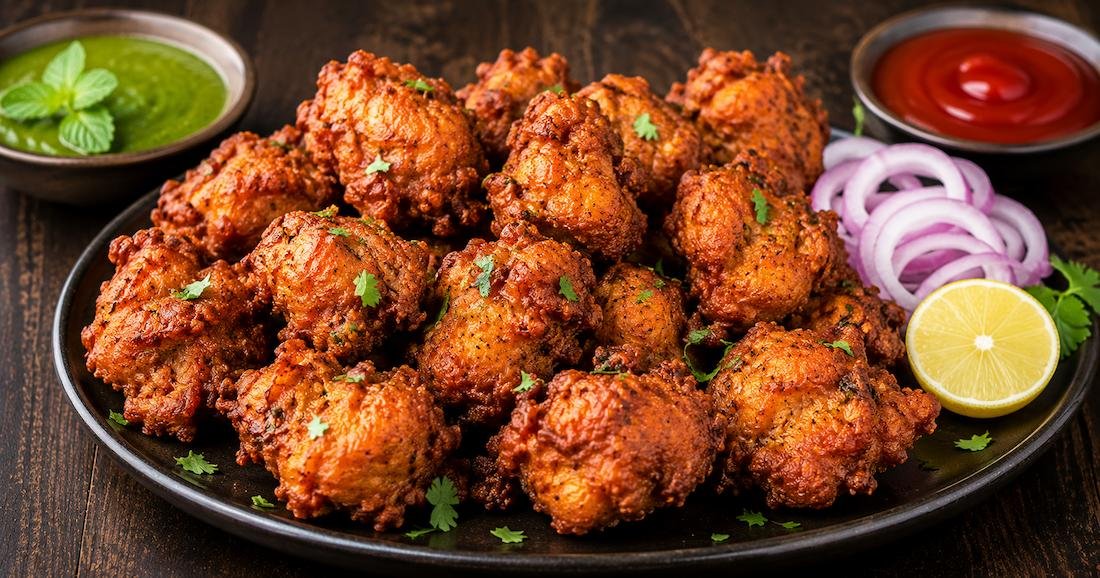
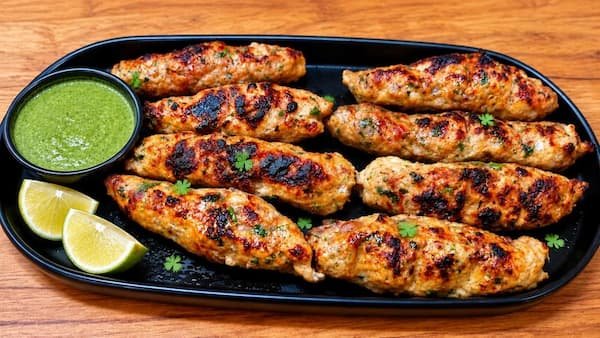
Commonly used for frying, sautéing, pickling, marinades, curries, and fish preparations, Mustard Oil is especially popular in Bengali and North Indian cooking. It contains predominantly unsaturated fats along with natural vitamin E and omega-3 and omega-6 fatty acids. Its strong aroma mellows during heating, creating a rich depth of flavor that complements vegetables, seafood, meat, and spices, making it a cherished ingredient in many regional cuisines.
About Mustard Oil
Mustard Oil is an edible oil extracted from the seeds of mustard plants and is widely used in the cuisines of India, Bangladesh, Nepal, and parts of Eastern Europe. It is recognized for its distinctive pungent aroma, bold flavor, and deep golden-yellow color. Unlike many neutral cooking oils, Mustard Oil adds a characteristic sharpness that enhances the taste of traditional dishes.
Commonly used for frying, sautéing, pickling, marinades, curries, and fish preparations, Mustard Oil is especially popular in Bengali and North Indian cooking. It contains predominantly unsaturated fats along with natural vitamin E and omega-3 and omega-6 fatty acids. Its strong aroma mellows during heating, creating a rich depth of flavor that complements vegetables, seafood, meat, and spices, making it a cherished ingredient in many regional cuisines.
How to Use Mustard Oil
- Fry fish.
- Cook curries.
- Prepare pickles.
- Sauté vegetables.
- Marinate meat.
- Make stir-fries.
- Temper lentils.
- Prepare Bengali dishes.
- Flavor salads.
- Pair with mustard seeds, garlic, green chili, turmeric, cumin, coriander, fish, potatoes, and leafy greens.
Storage Tips
- Store in a cool, dry place.
- Keep the bottle tightly sealed.
- Protect from direct sunlight.
- Keep away from heat.
- Use clean, dry utensils if dispensing.
- Avoid moisture contamination.
- Discard if it develops an off odor.
Health Benefits
- Rich in unsaturated fats.
- Contains omega-3 fatty acids.
- Provides omega-6 fatty acids.
- Good source of vitamin E.
- Contains natural antioxidants.
- Supports healthy cooking.
- Naturally cholesterol-free.
- Adds rich flavor to meals.
- Suitable for high-heat cooking.
- Contributes to overall wellness.
Medical Insights
- Traditionally used in culinary and wellness practices.
- Vitamin E helps reduce oxidative stress.
- Unsaturated fats support heart health when consumed as part of a balanced diet.
- Omega fatty acids support normal body functions.
- Provides a concentrated source of energy.
- Supports absorption of fat-soluble vitamins.
- Can be included in balanced diets.
- Best consumed in moderation.
Side Effects
- Excess consumption may increase calorie intake.
- Strong flavor may not suit everyone.
- Some individuals may be sensitive to mustard.
- Not suitable for people with mustard allergies.
- Store properly to prevent rancidity.
- Consume in moderation.
Allergen Alert
- Contains mustard, a recognized food allergen.
- Not suitable for individuals with mustard allergy.
- Cross-contamination may occur during processing.
- Flavored oils may contain additional ingredients.
- Always read product labels carefully.
Nutrition Information (per 100g)
| Nutrient | Amount (Per 100g) |
|---|---|
| Calories | 884 kcal |
| Carbohydrates | 0 g |
| Protein | 0 g |
| Fat | 100 g |
| Saturated Fat | 12 g |
| Monounsaturated Fat | 60 g |
| Polyunsaturated Fat | 21 g |
| Vitamin E | 19 mg |
| Omega-3 Fatty Acids | 6 g |
Fun Facts
Mustard Oil has been a cornerstone of Bengali, Assamese, and North Indian cooking for centuries, valued for its unmistakable aroma and bold flavor. Many traditional recipes begin by heating the oil until it reaches its smoking point, which softens its sharp pungency and develops a smoother taste. Beyond cooking, Mustard Oil has long been used in traditional household practices and food preservation, particularly for pickles. Its distinctive flavor is so closely associated with regional cuisines that many classic dishes are considered incomplete without it.
FAQ
What is Mustard Oil?
Mustard Oil is an edible oil extracted from mustard seeds, known for its pungent aroma and bold flavor.
Why is Mustard Oil heated before cooking?
Heating reduces its sharp pungency and develops a smoother, more balanced flavor.
Can Mustard Oil be used for deep frying?
Yes. It has a relatively high smoke point and is suitable for frying and sautéing.
How should Mustard Oil be stored?
Store it in a tightly sealed bottle in a cool, dry place away from sunlight and heat.
Which dishes commonly use Mustard Oil?
It is widely used in fish curries, vegetable dishes, pickles, lentils, stir-fries, and traditional Bengali recipes.
What ingredients pair well with Mustard Oil?
It pairs well with garlic, green chili, turmeric, cumin, coriander, fish, potatoes, mustard seeds, and leafy vegetables.
Is Mustard Oil available throughout the year?
Yes. Both refined and cold-pressed varieties are widely available year-round.
Does Mustard Oil have a strong flavor?
Yes. It has a distinctive pungent taste and aroma that become milder after heating.