Salt
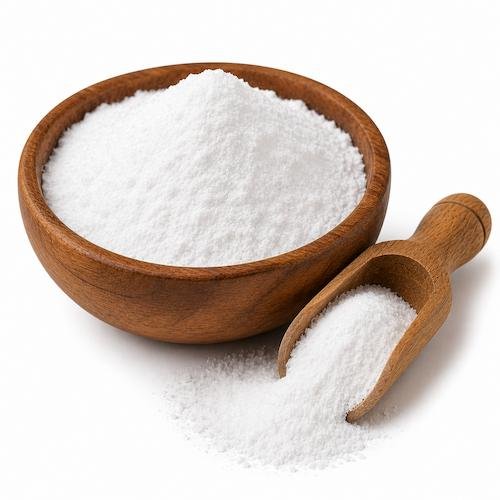
Salt is a naturally occurring mineral composed primarily of sodium chloride (NaCl) and is one of the most essential ingredients in cooking. It has been valued for thousands of years not only for its ability to season food but also for preserving meat, fish, vegetables, and other perishable ingredients. Depending on its source and processing method, salt is available in various forms, including table salt, sea salt, rock salt, kosher salt, and Himalayan pink salt.
Used in almost every cuisine worldwide, salt enhances the natural flavors of foods while balancing sweetness, bitterness, and acidity. It is an indispensable ingredient in baking, pickling, curing, seasoning, and fermentation. Besides its culinary importance, sodium is an essential mineral that helps regulate fluid balance, nerve signaling, and muscle function. Since excessive sodium intake may affect health, salt is best enjoyed in moderate amounts as part of a balanced diet.
About Salt
Salt is a naturally occurring mineral composed primarily of sodium chloride (NaCl) and is one of the most essential ingredients in cooking. It has been valued for thousands of years not only for its ability to season food but also for preserving meat, fish, vegetables, and other perishable ingredients. Depending on its source and processing method, salt is available in various forms, including table salt, sea salt, rock salt, kosher salt, and Himalayan pink salt.
Used in almost every cuisine worldwide, salt enhances the natural flavors of foods while balancing sweetness, bitterness, and acidity. It is an indispensable ingredient in baking, pickling, curing, seasoning, and fermentation. Besides its culinary importance, sodium is an essential mineral that helps regulate fluid balance, nerve signaling, and muscle function. Since excessive sodium intake may affect health, salt is best enjoyed in moderate amounts as part of a balanced diet.
How to Use Salt
- Season vegetables.
- Flavor soups.
- Prepare curries.
- Bake breads.
- Preserve pickles.
- Cure meat and fish.
- Enhance sauces.
- Season snacks.
- Support fermentation.
- Pair with herbs, spices, butter, garlic, lemon, olive oil, vinegar, and virtually all savory ingredients.
Storage Tips
- Store in an airtight container.
- Keep in a cool, dry place.
- Protect from moisture.
- Use a clean, dry spoon.
- Keep away from steam while cooking.
- Seal the container tightly after use.
- Store flavored salts separately.
Health Benefits
- Essential source of sodium.
- Supports normal nerve function.
- Helps maintain fluid balance.
- Supports healthy muscle function.
- Plays a role in electrolyte balance.
- Important for normal body functions.
- Enhances the natural flavor of foods.
- Used in food preservation.
- Available in iodized varieties for iodine intake.
- Supports overall nutritional balance when consumed moderately.
Medical Insights
- Sodium helps maintain fluid balance.
- Supports normal nerve transmission.
- Contributes to healthy muscle contraction.
- Iodized salt helps prevent iodine deficiency.
- Used in oral rehydration solutions.
- Supports electrolyte replacement when appropriate.
- Plays an important role in normal body function.
- Should be consumed within recommended limits.
Side Effects
- Excess intake may increase sodium consumption.
- High sodium diets may contribute to elevated blood pressure.
- Excess consumption may cause fluid retention.
- Individuals on low-sodium diets should limit intake.
- Highly processed foods often contain hidden salt.
- Consume according to dietary recommendations.
Allergen Alert
- Pure salt is not a common allergen.
- Flavored salts may contain added allergens.
- Anti-caking agents may be present in some products.
- Cross-contamination may occur during packaging.
- Always read ingredient labels on specialty salts.
Nutrition Information (per 100g)
| Nutrient | Amount (Per 100g) |
|---|---|
| Calories | 0 kcal |
| Carbohydrates | 0 g |
| Dietary Fiber | 0 g |
| Protein | 0 g |
| Fat | 0 g |
| Sodium | 38758 mg |
| Calcium | 24 mg |
| Potassium | 8 mg |
| Iron | 0.3 mg |
Fun Facts
Salt has played such an important role in human history that it was once used as currency in some ancient civilizations. Entire trade routes were established to transport this valuable mineral across continents, influencing commerce, exploration, and even the growth of cities. Today, although salt is inexpensive and widely available, it remains one of the few ingredients found in nearly every cuisine on Earth. Its remarkable ability to enhance flavor and preserve food has made it an indispensable part of cooking for thousands of years.
FAQ
What is salt?
Salt is a natural mineral composed primarily of sodium chloride, used for seasoning and preserving food.
Why is iodized salt used?
Iodized salt contains added iodine, an essential nutrient that helps prevent iodine deficiency.
What is the difference between sea salt and table salt?
Sea salt is obtained by evaporating seawater, while table salt is usually more refined and often fortified with iodine.
Can salt be used for food preservation?
Yes. Salt has been used for centuries to preserve meat, fish, vegetables, and pickles.
How should salt be stored?
Store it in an airtight container in a cool, dry place away from moisture.
Does salt expire?
Pure salt does not spoil, but flavored salts may have a recommended best-before date.
Is salt necessary in cooking?
Yes. It enhances flavor and also plays important roles in baking, fermentation, and food preservation.
Can too much salt be harmful?
Yes. Excessive sodium intake may contribute to health concerns, so moderate consumption is recommended.
Most Used In Recipes
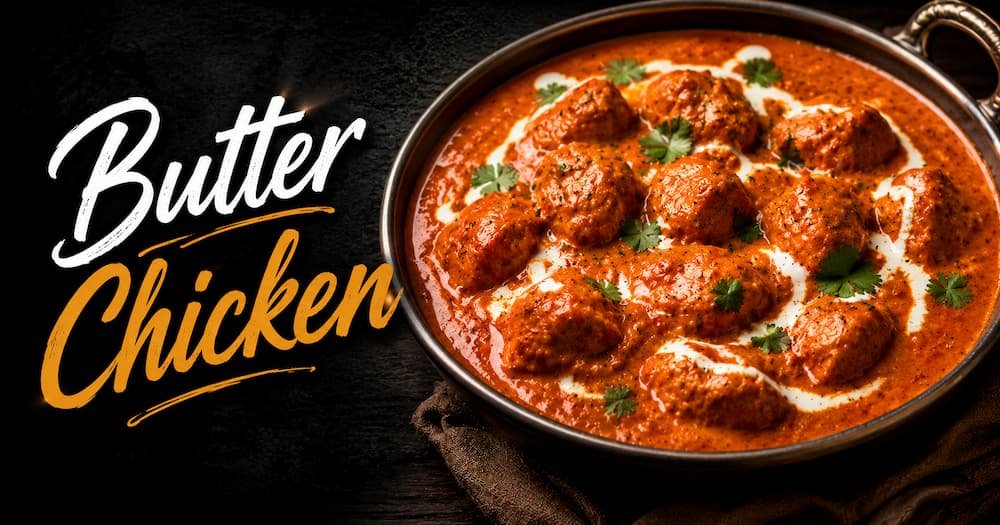
Butter Chicken

Masala Dosa

Desi Style Chicken Fry Recipe
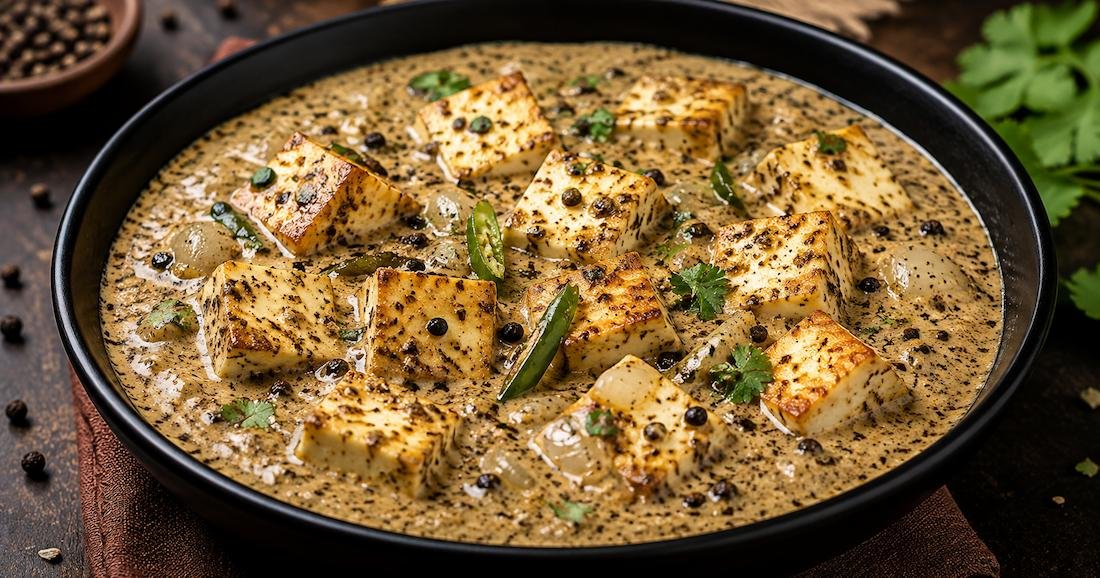
Restaurant-Style Paneer Kali Mirch

Crispy Chicken Pakora

Chicken Seekh Kabab
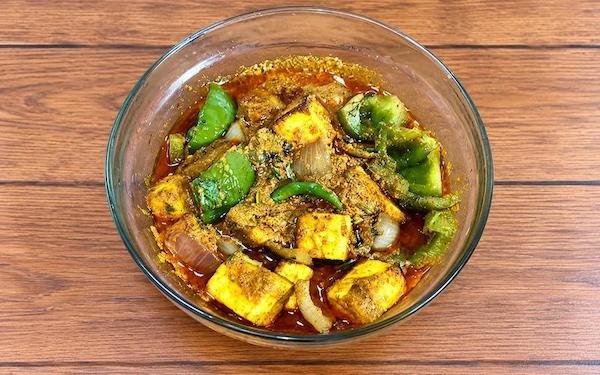
Kadai Paneer

Kolkata-Style Egg Biryani with Potato