Water
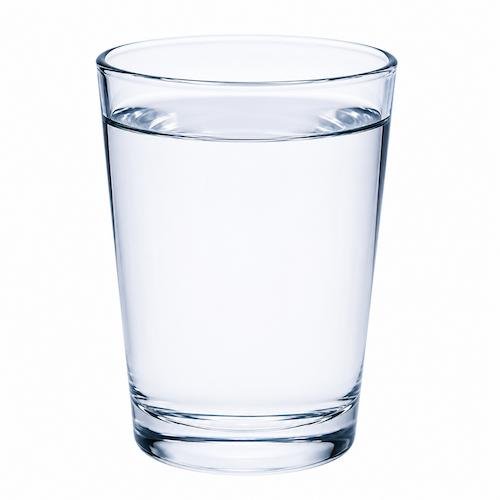
Water is the most essential ingredient in cooking and one of the most important substances for sustaining life. It is a colorless, odorless, and tasteless liquid composed of hydrogen and oxygen (H₂O). In the kitchen, water is used for boiling, steaming, poaching, blanching, soaking, dissolving, mixing, and preparing beverages. It also plays a vital role in food preparation by helping ingredients cook evenly, retain moisture, and develop the desired texture.
Beyond cooking, water is crucial for hydration and supports nearly every function in the human body. It helps regulate body temperature, transport nutrients, remove waste, lubricate joints, and maintain healthy organs. Drinking clean, safe water daily is essential for overall well-being. While water itself contains no calories, fats, proteins, or carbohydrates, its importance in nutrition and culinary applications cannot be overstated.
About Water
Water is the most essential ingredient in cooking and one of the most important substances for sustaining life. It is a colorless, odorless, and tasteless liquid composed of hydrogen and oxygen (H₂O). In the kitchen, water is used for boiling, steaming, poaching, blanching, soaking, dissolving, mixing, and preparing beverages. It also plays a vital role in food preparation by helping ingredients cook evenly, retain moisture, and develop the desired texture.
Beyond cooking, water is crucial for hydration and supports nearly every function in the human body. It helps regulate body temperature, transport nutrients, remove waste, lubricate joints, and maintain healthy organs. Drinking clean, safe water daily is essential for overall well-being. While water itself contains no calories, fats, proteins, or carbohydrates, its importance in nutrition and culinary applications cannot be overstated.
How to Use Water
- Used for boiling rice, pasta, and vegetables.
- Essential for soups, stews, curries, and broths.
- Used in baking to prepare doughs and batters.
- Ideal for steaming vegetables, seafood, and dumplings.
- Used for soaking beans, lentils, and grains.
- Helps dissolve salt, sugar, spices, and other ingredients.
- Used to brew tea, coffee, and herbal beverages.
- Commonly paired with virtually every ingredient during cooking.
- Essential for preparing stocks and sauces.
- Used in blanching and poaching various foods.
Storage Tips
- Store drinking water in clean, food-grade containers.
- Keep containers tightly sealed to prevent contamination.
- Store in a cool, dry place away from direct sunlight.
- Refrigerate opened bottled water if preferred.
- Clean reusable water bottles regularly with soap and water.
- Replace stored emergency water according to recommended guidelines.
- Use only safe, potable water for cooking and drinking.
- Avoid storing water near chemicals or strong-smelling substances.
Health Benefits
- Essential for maintaining proper hydration.
- Helps regulate body temperature through sweating.
- Supports digestion and nutrient absorption.
- Aids in transporting oxygen and nutrients throughout the body.
- Helps remove waste through urine and perspiration.
- Lubricates joints and cushions vital organs.
- Supports healthy kidney function.
- Promotes healthy skin by maintaining moisture balance.
- Helps prevent dehydration during physical activity.
- Contains zero calories, making it the healthiest beverage choice.
Medical Insights
- Adequate hydration supports normal kidney function and waste removal.
- Water is essential for maintaining blood volume and circulation.
- Proper hydration may help reduce the risk of kidney stones in some individuals.
- Mild dehydration can affect concentration, mood, and physical performance.
- Water plays a key role in regulating body temperature during exercise and hot weather.
- Safe drinking water reduces the risk of waterborne illnesses.
- Individual water needs vary based on age, climate, health, and activity level.
- Drinking excessive amounts of water in a short period may lead to water intoxication (hyponatremia), though this is rare.
Side Effects
- Drinking contaminated water may cause foodborne or waterborne illnesses.
- Excessive water intake in a short time can lead to hyponatremia.
- Untreated water may contain harmful bacteria, viruses, or parasites.
- Water with high mineral content may not be suitable for everyone.
- Poor-quality water can contain heavy metals or chemical contaminants.
- Very cold water may cause temporary discomfort in some individuals.
- Insufficient water intake may result in dehydration and related health issues.
Allergen Alert
- Pure water is naturally free from common food allergens.
- Bottled flavored or fortified waters may contain added ingredients that could trigger allergies.
- Individuals should check labels on flavored or enhanced water products.
- Contaminated water may contain substances that cause adverse reactions, though these are not true allergies.
- Clean, potable water is considered safe for nearly everyone.
Nutrition Information (per 100g)
| Nutrient | Amount (Per 100g) |
|---|---|
| Calories | 0 kcal |
| Water | 100 g |
| Protein | 0 g |
| Carbohydrates | 0 g |
| Sugars | 0 g |
| Dietary Fiber | 0 g |
| Fat | 0 g |
| Calcium | 0 mg* |
| Magnesium | 0 mg* |
| Potassium | 0 mg* |
| Sodium | 0 mg* |
| Vitamin C | 0 mg |
| Iron | 0 mg |
| Cholesterol | 0 mg |
*Mineral water may naturally contain varying amounts of calcium, magnesium, sodium, potassium, and other minerals depending on its source.
Fun Facts
Water covers about 71% of the Earth's surface, yet only a small percentage is readily available as fresh drinking water. Every living organism depends on water for survival, making it one of the planet's most valuable natural resources. In cooking, water acts as a universal solvent, helping flavors blend and ingredients cook evenly.
Unlike most ingredients, water contains no calories, sugar, fat, or protein, but it is involved in nearly every chemical reaction that takes place in the human body. From making bread dough rise to brewing tea and simmering flavorful soups, water is the foundation of countless recipes around the world.
FAQ
Why is water important in cooking?
Water helps cook food evenly, dissolves ingredients, transfers heat efficiently, and is essential for boiling, steaming, baking, and preparing soups and sauces.
Can tap water be used for cooking?
Yes, provided it is safe and meets local drinking water standards. If water quality is uncertain, filtered or purified water is recommended.
Does boiling water remove all contaminants?
Boiling kills many harmful microorganisms but does not remove dissolved chemicals, heavy metals, or certain pollutants.
How much water should a person drink daily?
Water needs vary depending on age, activity level, climate, and health. Most healthy adults should drink enough fluids to stay adequately hydrated throughout the day.
Can water expire?
Pure water does not expire, but bottled water may have a best-before date due to packaging quality. Water should always be stored properly to prevent contamination.
What is the difference between purified and mineral water?
Purified water undergoes treatment to remove impurities, while mineral water naturally contains dissolved minerals obtained from underground sources.