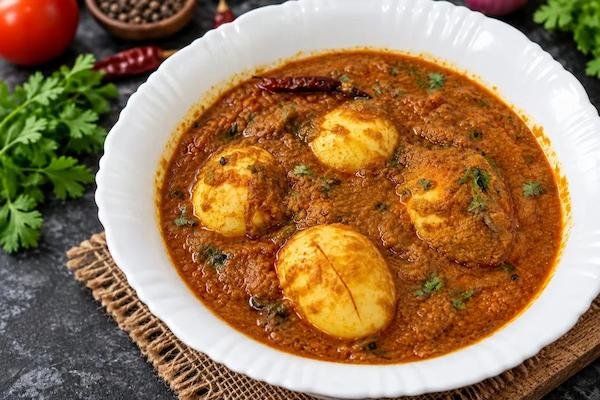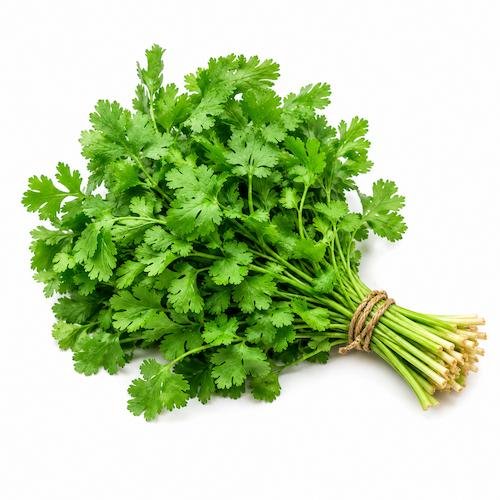
Coriander Leaves
Coriander Leaves, also known as cilantro, are the fresh green foliage of the coriander plant (Coriandrum sativum). They are prized for their bright aroma, delicate texture, and refreshing citrusy flavor, making them one of the most widely used culinary herbs across Asia, the Middle East, Latin America, and the Mediterranean.
The leaves are typically added near the end of cooking or used fresh to preserve their distinctive fragrance. They enhance soups, curries, salads, rice dishes, chutneys, sandwiches, and marinades with a burst of freshness.
Besides their culinary appeal, Coriander Leaves provide vitamin A, vitamin C, vitamin K, folate, potassium, and antioxidants. Their vibrant flavor and nutritional value have made them an essential herb in both traditional and modern kitchens around the world.
About Coriander Leaves
Coriander Leaves, also known as cilantro, are the fresh green foliage of the coriander plant (Coriandrum sativum). They are prized for their bright aroma, delicate texture, and refreshing citrusy flavor, making them one of the most widely used culinary herbs across Asia, the Middle East, Latin America, and the Mediterranean.
The leaves are typically added near the end of cooking or used fresh to preserve their distinctive fragrance. They enhance soups, curries, salads, rice dishes, chutneys, sandwiches, and marinades with a burst of freshness.
Besides their culinary appeal, Coriander Leaves provide vitamin A, vitamin C, vitamin K, folate, potassium, and antioxidants. Their vibrant flavor and nutritional value have made them an essential herb in both traditional and modern kitchens around the world.
How to Use Coriander Leaves
- Garnish curries.
- Add to soups.
- Blend into chutneys.
- Mix into salads.
- Flavor rice dishes.
- Use in sandwiches.
- Prepare herb sauces.
- Add to wraps.
- Blend into marinades.
- Pair with mint, garlic, ginger, lemon, tomato, onion, cumin, and yogurt.
Storage Tips
- Refrigerate in a damp paper towel.
- Store in a breathable bag.
- Wash only before use.
- Trim stems before storing in water.
- Keep away from excess moisture.
- Freeze chopped leaves if needed.
- Use while fresh for best flavor.
Health Benefits
- Rich in vitamin K for bone health.
- Excellent source of vitamin C.
- Contains vitamin A for healthy vision.
- Provides antioxidants that protect cells.
- Supports healthy digestion.
- Naturally low in calories.
- Helps support immune function.
- Contains folate for normal cell growth.
- Provides potassium for muscle function.
- Contributes to overall wellness.
Medical Insights
- May support digestive health.
- Vitamin C helps strengthen immunity.
- Vitamin K supports normal blood clotting.
- Antioxidants help reduce oxidative stress.
- Vitamin A supports eye health.
- Potassium supports healthy blood pressure.
- May support healthy skin.
- Can be included in balanced diets.
Side Effects
- Rare allergic reactions may occur.
- Excess intake may cause digestive discomfort.
- Some individuals dislike its strong flavor.
- Unwashed leaves may carry contaminants.
- Consume fresh and properly cleaned leaves.
- Use moderately in meals.
Allergen Alert
- Coriander allergy is uncommon but possible.
- Sensitive individuals may experience skin or oral irritation.
- Cross-contamination may occur during packaging.
- Packaged herbs may contain preservatives.
- Wash thoroughly before use.
Nutrition Information (per 100g)
| Nutrient | Amount (Per 100g) |
|---|---|
| Calories | 23 kcal |
| Carbohydrates | 3.7 g |
| Dietary Fiber | 2.8 g |
| Protein | 2.1 g |
| Fat | 0.5 g |
| Vitamin C | 27 mg |
| Vitamin A | 337 µg |
| Vitamin K | 310 µg |
| Potassium | 521 mg |
Fun Facts
Coriander Leaves are among the oldest culinary herbs known to humans and have been cultivated for thousands of years. Ancient civilizations valued them not only for their pleasant aroma but also for their versatility in cooking. Interestingly, people's perception of coriander differs because genetics can influence its flavor, causing some to enjoy its fresh citrusy taste while others describe it as soapy. Despite this difference, it remains one of the world's most popular herbs.
FAQ
What are Coriander Leaves?
Coriander Leaves are the fresh leaves of the coriander plant, commonly known as cilantro.
Can Coriander Leaves be eaten raw?
Yes. They are commonly used fresh as a garnish, in salads, and in chutneys.
Are Coriander Leaves healthy?
Yes. They provide vitamins A, C, K, antioxidants, fiber, and potassium.
Why do some people dislike coriander?
Genetic differences can make coriander taste soapy to some individuals.
Can Coriander Leaves be frozen?
Yes. Chopped leaves can be frozen to preserve them for cooking.
How should Coriander Leaves be stored?
Store them refrigerated in a damp paper towel or with stems in water.
What foods pair well with Coriander Leaves?
They pair well with curries, rice, soups, tomatoes, garlic, ginger, yogurt, and citrus.
Are coriander leaves and coriander seeds the same?
They come from the same plant, but the leaves and seeds have distinct flavors and culinary uses.
Most Used In Recipes

Butter Chicken

Masala Dosa
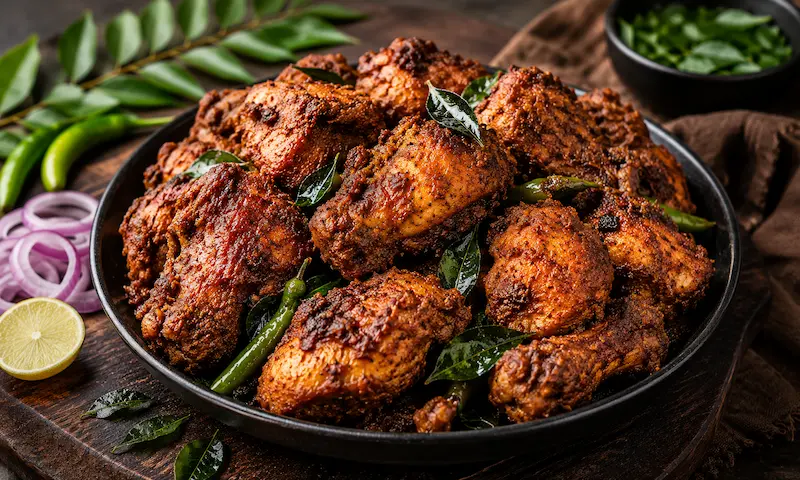
Desi Style Chicken Fry Recipe
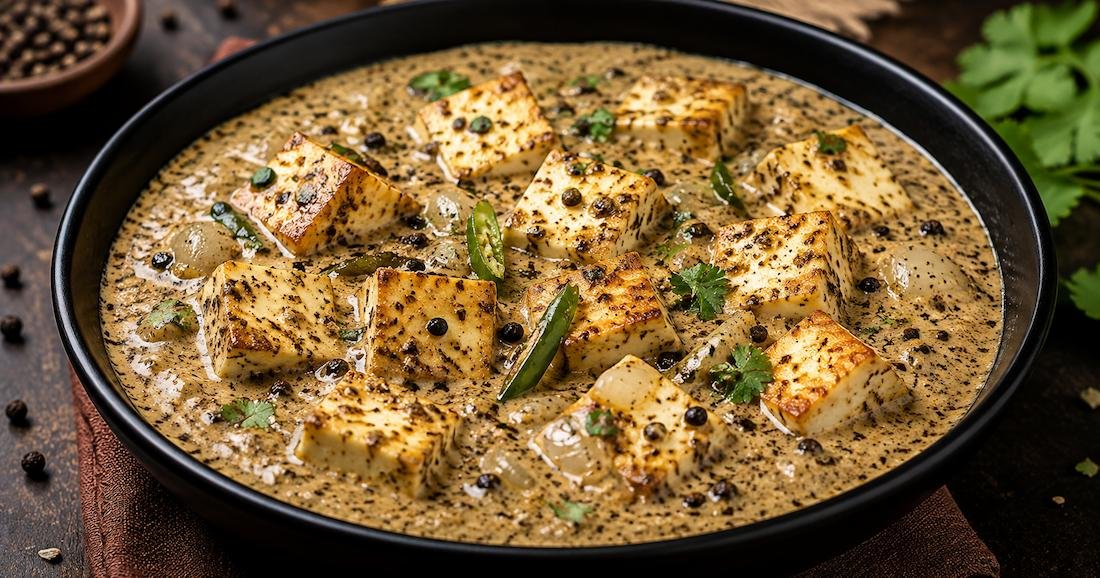
Restaurant-Style Paneer Kali Mirch

Crispy Chicken Pakora

Chicken Seekh Kabab
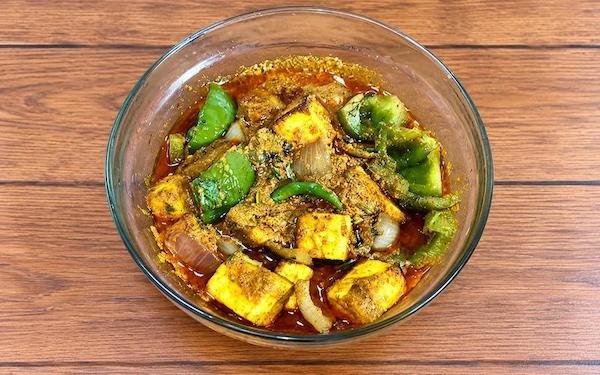
Kadai Paneer

Kolkata-Style Egg Biryani with Potato