Curry Leaves
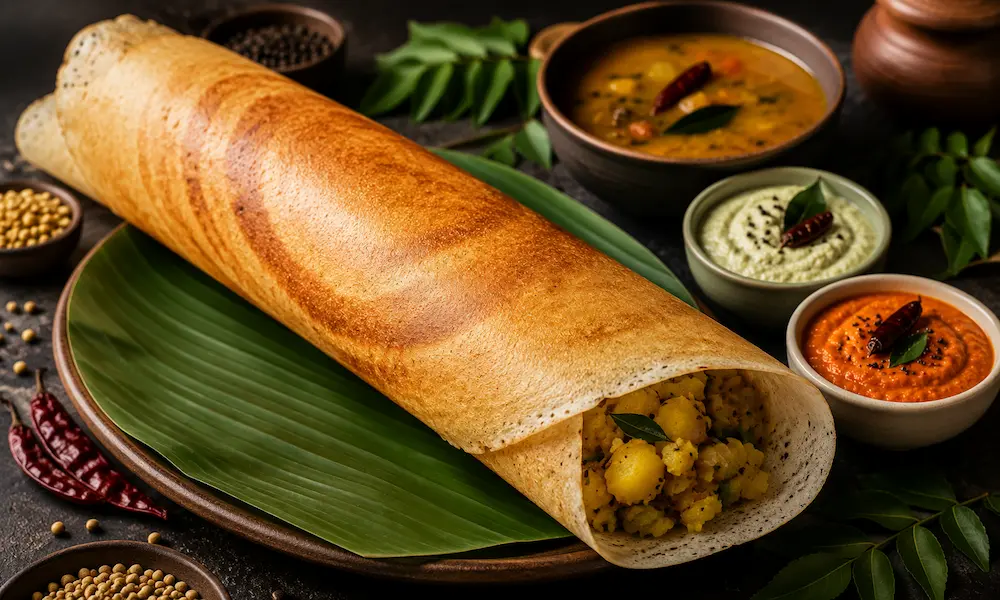
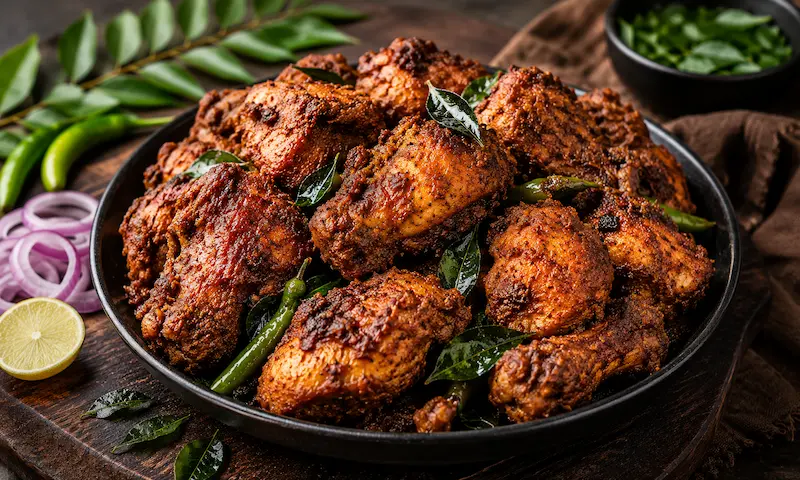
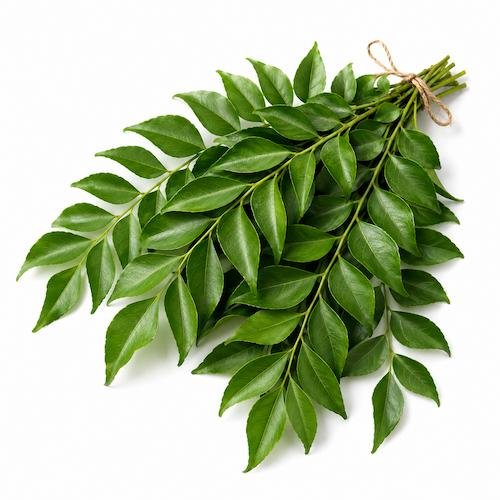
Curry Leaves are the fragrant leaves of the Murraya koenigii tree, widely used in South Asian cooking for their distinctive aroma and fresh citrusy flavor. Despite their name, they are not related to curry powder but are an essential ingredient that adds depth and fragrance to countless traditional dishes. Fresh leaves release their characteristic aroma when lightly fried or tempered in hot oil.
Popular in Indian, Sri Lankan, Bangladeshi, and Southeast Asian cuisines, Curry Leaves are commonly added to curries, dals, chutneys, soups, rice dishes, stir-fries, and spice tempering. They are naturally rich in vitamin A, vitamin C, calcium, iron, dietary fiber, and antioxidant compounds. Their unique flavor, nutritional value, and culinary versatility have made Curry Leaves a staple herb in traditional and modern kitchens alike.
About Curry Leaves
Curry Leaves are the fragrant leaves of the Murraya koenigii tree, widely used in South Asian cooking for their distinctive aroma and fresh citrusy flavor. Despite their name, they are not related to curry powder but are an essential ingredient that adds depth and fragrance to countless traditional dishes. Fresh leaves release their characteristic aroma when lightly fried or tempered in hot oil.
Popular in Indian, Sri Lankan, Bangladeshi, and Southeast Asian cuisines, Curry Leaves are commonly added to curries, dals, chutneys, soups, rice dishes, stir-fries, and spice tempering. They are naturally rich in vitamin A, vitamin C, calcium, iron, dietary fiber, and antioxidant compounds. Their unique flavor, nutritional value, and culinary versatility have made Curry Leaves a staple herb in traditional and modern kitchens alike.
How to Use Curry Leaves
- Temper curries.
- Flavor lentils.
- Prepare chutneys.
- Cook rice dishes.
- Add to soups.
- Season stir-fries.
- Flavor coconut dishes.
- Prepare spice blends.
- Garnish savory recipes.
- Pair with mustard seeds, cumin, turmeric, garlic, ginger, coconut, green chili, tamarind, and lentils.
Storage Tips
- Refrigerate fresh leaves.
- Store in an airtight container.
- Wrap in a paper towel before refrigeration.
- Freeze for long-term storage.
- Keep away from excess moisture.
- Wash only before use.
- Discard wilted or moldy leaves.
Health Benefits
- Rich in natural antioxidants.
- Good source of vitamin A.
- Contains vitamin C.
- Provides dietary fiber.
- Rich in calcium.
- Contains iron.
- Supports healthy digestion.
- Naturally low in calories.
- Adds natural flavor to dishes.
- Contributes to overall wellness.
Medical Insights
- Traditionally used to support digestion.
- Antioxidants help reduce oxidative stress.
- Vitamin A supports healthy vision.
- Vitamin C contributes to immune function.
- Calcium supports bone health.
- Iron supports healthy red blood cell production.
- Supports balanced nutrition.
- Can be included in healthy daily diets.
Side Effects
- Excess consumption may cause digestive discomfort.
- Rare allergic reactions may occur.
- Sensitive individuals may experience mild irritation.
- Spoiled leaves should not be consumed.
- Wash thoroughly before use.
- Consume in moderation.
Allergen Alert
- Curry Leaf allergy is uncommon but possible.
- Fresh leaves should be washed before use.
- Packaged products may contain traces of other allergens.
- Cross-contamination may occur during processing.
- Always check packaged ingredient labels.
Nutrition Information (per 100g)
| Nutrient | Amount (Per 100g) |
|---|---|
| Calories | 108 kcal |
| Carbohydrates | 18.7 g |
| Dietary Fiber | 6.4 g |
| Protein | 6.1 g |
| Fat | 1.0 g |
| Vitamin A | 7560 IU |
| Vitamin C | 4 mg |
| Calcium | 830 mg |
| Iron | 1.0 mg |
Fun Facts
Curry Leaves are often confused with curry powder, but they are completely different ingredients. While curry powder is a blend of spices, Curry Leaves are fresh aromatic leaves that impart a unique citrusy fragrance when tempered in hot oil. The plant is easy to grow in warm climates and is commonly found in home gardens across South Asia. Fresh leaves are considered far more flavorful than dried ones, which is why many traditional recipes recommend using them immediately after harvesting whenever possible.
FAQ
What are Curry Leaves?
Curry Leaves are the aromatic leaves of the Murraya koenigii tree, widely used in South Asian cooking.
Are Curry Leaves the same as curry powder?
No. Curry Leaves are fresh leaves, while curry powder is a blend of ground spices.
Why are Curry Leaves tempered in oil?
Tempering releases their essential oils, enhancing their aroma and flavor.
How should Curry Leaves be stored?
Fresh leaves should be refrigerated or frozen in airtight containers for longer freshness.
Can Curry Leaves be eaten?
Yes. They are edible and are commonly consumed along with cooked dishes.
What dishes commonly use Curry Leaves?
They are widely used in curries, dals, rice dishes, chutneys, stir-fries, and soups.
What ingredients pair well with Curry Leaves?
They pair well with mustard seeds, cumin, garlic, ginger, coconut, green chili, tamarind, and lentils.
Are fresh Curry Leaves better than dried?
Yes. Fresh Curry Leaves have a stronger aroma and brighter flavor than dried leaves.