Corn Flour
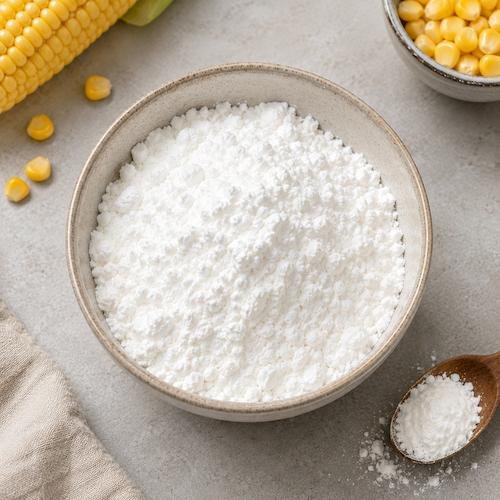
Corn Flour is a finely milled powder made from dried corn kernels (Zea mays). Depending on the region, it may refer to finely ground whole corn or refined cornstarch, but in many culinary applications it is valued for its smooth texture and excellent thickening properties. Its mild flavor allows it to blend seamlessly into recipes without altering their natural taste.
Because of its versatility, Corn Flour is commonly used in soups, gravies, sauces, desserts, batters, coatings, noodles, and baked goods. It creates silky textures in liquids and gives fried foods a light, crispy coating. Naturally free from gluten when processed in dedicated facilities, Corn Flour also provides carbohydrates for energy along with small amounts of essential minerals. Its convenience and wide range of culinary applications make it an indispensable pantry ingredient in kitchens across the world.
About Corn Flour
Corn Flour is a finely milled powder made from dried corn kernels (Zea mays). Depending on the region, it may refer to finely ground whole corn or refined cornstarch, but in many culinary applications it is valued for its smooth texture and excellent thickening properties. Its mild flavor allows it to blend seamlessly into recipes without altering their natural taste.
Because of its versatility, Corn Flour is commonly used in soups, gravies, sauces, desserts, batters, coatings, noodles, and baked goods. It creates silky textures in liquids and gives fried foods a light, crispy coating. Naturally free from gluten when processed in dedicated facilities, Corn Flour also provides carbohydrates for energy along with small amounts of essential minerals. Its convenience and wide range of culinary applications make it an indispensable pantry ingredient in kitchens across the world.
How to Use Corn Flour
- Thicken soups.
- Prepare gravies.
- Make sauces.
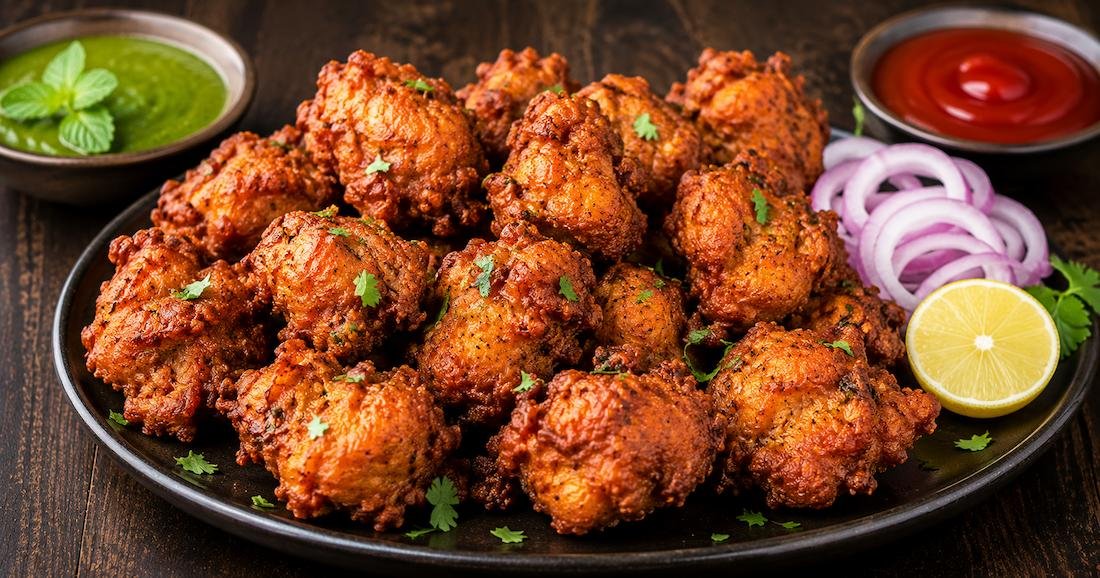
- Coat fried foods.
- Bake cakes.
- Prepare puddings.
- Make pie fillings.
- Prepare noodles.
- Improve batter texture.
- Pair with vegetables, chicken, seafood, soy sauce, butter, milk, cheese, herbs, and spices.
Storage Tips
- Store in an airtight container.
- Keep in a cool, dry place.
- Protect from direct sunlight.
- Keep away from moisture.
- Use a clean, dry spoon.
- Seal the package tightly after use.
- Discard if insects or odors develop.
Health Benefits
- Provides a good source of carbohydrates.
- Naturally low in fat.
- Contains small amounts of dietary fiber.
- Supplies energy for daily activities.
- Naturally gluten-free (when certified).
- Contains essential minerals.
- Easy to digest in many recipes.
- Suitable for thickening foods.
- Low in cholesterol.
- Contributes to balanced meals.
Medical Insights
- Provides a readily available energy source.
- Can be included in gluten-free diets.
- Supports normal daily nutrition.
- Easy to digest in cooked foods.
- Useful in soft-food preparations.
- Contains small amounts of essential minerals.
- Supports balanced meal planning.
- Best consumed as part of a varied diet.
Side Effects
- Excess consumption may increase calorie intake.
- Refined varieties contain limited fiber.
- May raise blood sugar when eaten in large amounts.
- Not suitable for people with corn allergies.
- Processed products may contain additives.
- Consume in moderation.
Allergen Alert
- Contains corn.
- Not suitable for individuals with corn allergy.
- Gluten-free only if certified.
- Cross-contamination may occur during processing.
- Always read product labels carefully.
Nutrition Information (per 100g)
| Nutrient | Amount (Per 100g) |
|---|---|
| Calories | 381 kcal |
| Carbohydrates | 91.3 g |
| Dietary Fiber | 0.9 g |
| Protein | 0.3 g |
| Fat | 0.1 g |
| Calcium | 2 mg |
| Iron | 0.5 mg |
| Potassium | 3 mg |
| Sodium | 9 mg |
Fun Facts
Unlike wheat flour, Corn Flour contains no gluten when processed in dedicated gluten-free facilities, making it a popular ingredient for people following gluten-free diets. Its exceptional thickening ability comes from the starch naturally present in corn, which forms a smooth, glossy consistency when heated with liquid. In many Asian cuisines, Corn Flour is also used to coat meat and vegetables before frying, creating a crisp, light texture that remains tender inside. Despite its simple appearance, it plays an important role in countless sweet and savory recipes.
FAQ
What is Corn Flour?
Corn Flour is a finely milled powder made from dried corn, commonly used for thickening and cooking.
Is Corn Flour the same as cornstarch?
The meaning varies by country. In many regions they are different products, while in others the terms are used interchangeably.
Can Corn Flour be used for frying?
Yes. It creates a light, crispy coating on fried foods.
How should Corn Flour be stored?
Store it in an airtight container in a cool, dry place away from moisture.
Is Corn Flour gluten-free?
Yes, if it is processed in a certified gluten-free facility without wheat contamination.
What dishes commonly use Corn Flour?
It is widely used in soups, gravies, sauces, desserts, batters, puddings, and fried foods.
What ingredients pair well with Corn Flour?
It pairs well with milk, butter, vegetables, chicken, seafood, soy sauce, cheese, herbs, and spices.
Why is Corn Flour used as a thickener?
Its natural starch thickens liquids quickly, producing a smooth and glossy texture.