Gram Flour
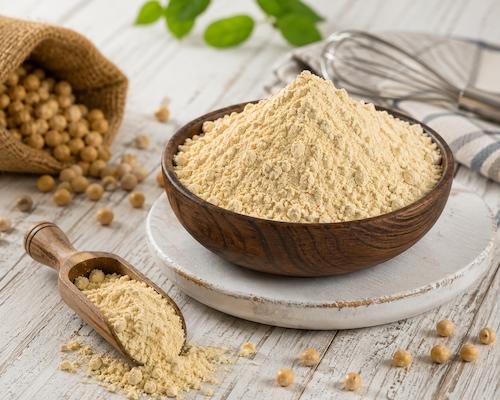
Gram Flour, also known as Besan, is a finely ground flour made from dried chickpeas, most commonly Bengal gram (split brown chickpeas). It has a naturally pale yellow color, a mild nutty flavor, and a smooth texture that makes it suitable for a wide variety of sweet and savory recipes. Unlike wheat flour, Gram Flour is naturally gluten-free, making it a popular alternative in many traditional and modern dishes.
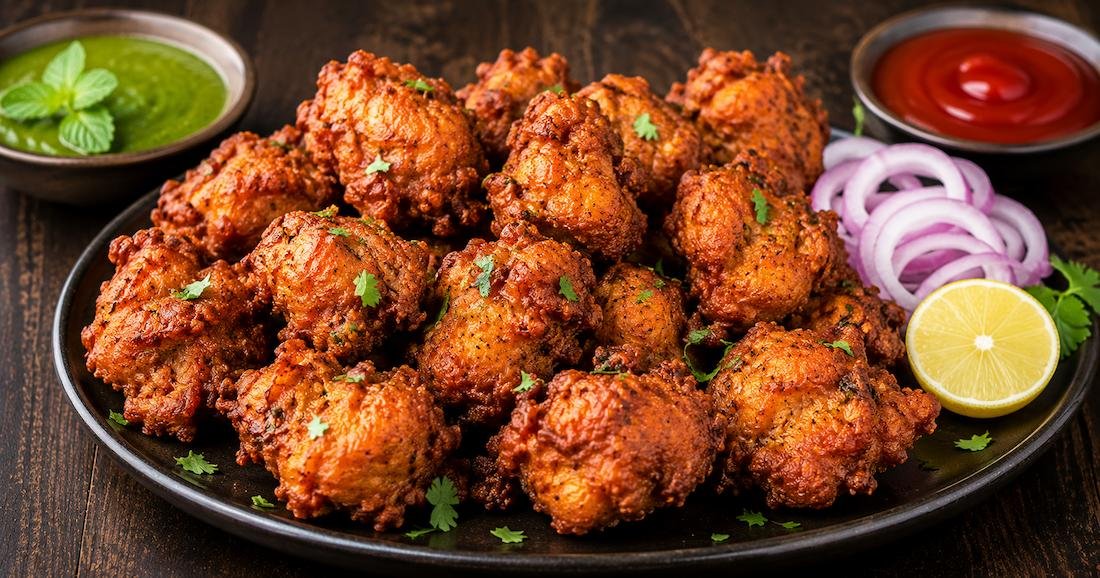
A staple ingredient in Indian, Pakistani, Bangladeshi, and Middle Eastern cuisines, Gram Flour is widely used to prepare pakoras, chillas, laddoos, dhokla, kadhi, batters, gravies, and snacks. It is naturally rich in plant-based protein, dietary fiber, folate, iron, magnesium, and essential minerals. Its excellent binding ability, nutritional value, and versatility have made Gram Flour an indispensable ingredient in home kitchens as well as commercial food preparation.
About Gram Flour
Gram Flour, also known as Besan, is a finely ground flour made from dried chickpeas, most commonly Bengal gram (split brown chickpeas). It has a naturally pale yellow color, a mild nutty flavor, and a smooth texture that makes it suitable for a wide variety of sweet and savory recipes. Unlike wheat flour, Gram Flour is naturally gluten-free, making it a popular alternative in many traditional and modern dishes.
A staple ingredient in Indian, Pakistani, Bangladeshi, and Middle Eastern cuisines, Gram Flour is widely used to prepare pakoras, chillas, laddoos, dhokla, kadhi, batters, gravies, and snacks. It is naturally rich in plant-based protein, dietary fiber, folate, iron, magnesium, and essential minerals. Its excellent binding ability, nutritional value, and versatility have made Gram Flour an indispensable ingredient in home kitchens as well as commercial food preparation.
How to Use Gram Flour
- Make pakoras.
- Prepare chillas.
- Cook kadhi.
- Steam dhokla.
- Prepare laddoos.
- Make batters.
- Thicken gravies.
- Prepare savory snacks.
- Coat fried foods.
- Pair with onion, green chili, turmeric, cumin, coriander, ginger, garlic, yogurt, spinach, and potatoes.
Storage Tips
- Store in an airtight container.
- Keep in a cool, dry place.
- Protect from direct sunlight.
- Keep away from moisture.
- Use a clean, dry spoon.
- Seal the container tightly after use.
- Discard if insects or mold appear.
Health Benefits
- Rich in plant-based protein.
- Good source of dietary fiber.
- Contains folate.
- Rich in iron.
- Provides magnesium.
- Contains phosphorus.
- Naturally gluten-free.
- Supports digestive health.
- Provides sustained energy.
- Contributes to overall wellness.
Medical Insights
- Supports muscle maintenance through plant protein.
- Fiber promotes digestive regularity.
- Iron contributes to healthy red blood cell production.
- Folate supports normal cell growth.
- Magnesium supports muscle and nerve function.
- Suitable for gluten-free diets.
- Supports balanced nutrition.
- Best consumed as part of a varied diet.
Side Effects
- Excess intake may cause bloating.
- May cause digestive discomfort in sensitive individuals.
- Not suitable for people with chickpea allergies.
- Raw batter should not be consumed.
- Store properly to prevent spoilage.
- Consume in moderation.
Allergen Alert
- Contains chickpeas (legume).
- Not suitable for individuals with chickpea allergies.
- Cross-contamination with wheat may occur during processing.
- Packaged products may contain traces of other legumes.
- Always read ingredient labels carefully.
Nutrition Information (per 100g)
| Nutrient | Amount (Per 100g) |
|---|---|
| Calories | 387 kcal |
| Carbohydrates | 58.9 g |
| Dietary Fiber | 10.8 g |
| Protein | 22.4 g |
| Fat | 6.7 g |
| Iron | 4.9 mg |
| Magnesium | 166 mg |
| Phosphorus | 318 mg |
| Folate | 437 µg |
Fun Facts
Gram Flour has been a staple ingredient in South Asian kitchens for centuries and is prized for its versatility. Unlike many other flours, it is made entirely from chickpeas, giving it a naturally higher protein and fiber content. It can be used as a batter, thickener, binding agent, or even as the main ingredient in traditional sweets and snacks. Because it is naturally gluten-free, Gram Flour has also become increasingly popular in modern gluten-free cooking and baking around the world.
FAQ
What is Gram Flour?
Gram Flour, also known as Besan, is a finely ground flour made from dried chickpeas.
Is Gram Flour gluten-free?
Yes. Pure Gram Flour is naturally gluten-free, although certified products are recommended for people with gluten intolerance.
Can Gram Flour replace wheat flour?
Yes. It can replace wheat flour in many recipes, especially savory dishes and gluten-free preparations.
How should Gram Flour be stored?
Store it in an airtight container in a cool, dry place away from moisture and sunlight.
What dishes commonly use Gram Flour?
It is widely used in pakoras, chillas, kadhi, dhokla, laddoos, batters, and savory snacks.
Can Gram Flour be used as a thickener?
Yes. It is commonly used to thicken curries, gravies, soups, and sauces.
What ingredients pair well with Gram Flour?
It pairs well with onion, green chili, ginger, garlic, turmeric, cumin, coriander, spinach, potatoes, and yogurt.
How long does Gram Flour stay fresh?
When stored properly, it generally maintains its best quality for about 6–12 months.