Vegetable Oil
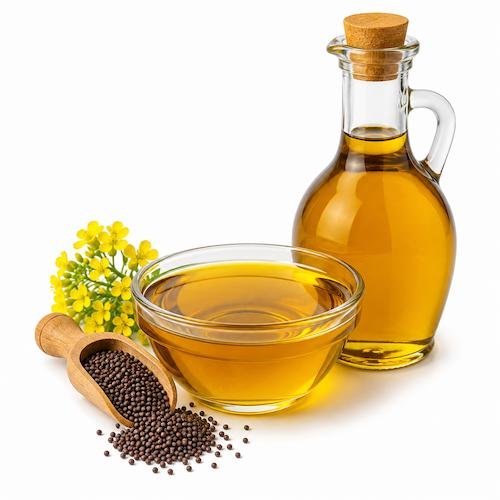
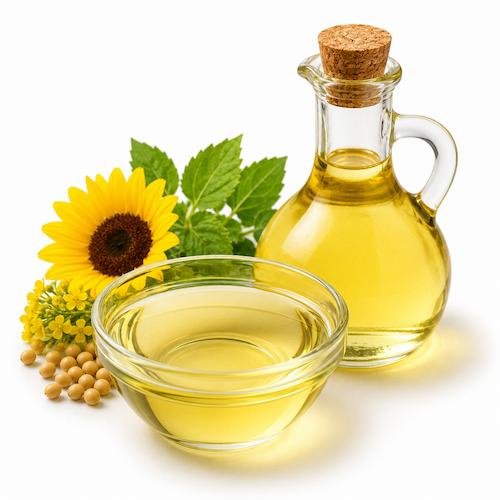
Vegetable Oil is a cooking oil extracted from plant sources such as soybeans, sunflower seeds, canola, corn, peanuts, or other oil-rich crops. It is widely valued for its neutral flavor, smooth texture, and high versatility, making it one of the most commonly used cooking oils in households and commercial kitchens. Depending on the source and refining process, vegetable oil may vary slightly in color, aroma, and nutritional composition.
Its high smoke point makes Vegetable Oil suitable for frying, sautéing, roasting, baking, stir-frying, and preparing dressings or marinades. Besides providing essential dietary fats, many commercially available vegetable oils contain vitamin E and beneficial unsaturated fatty acids. Because of its mild taste, Vegetable Oil enhances recipes without overpowering the natural flavors of other ingredients, making it an indispensable staple in cuisines around the world.
About Vegetable Oil
Vegetable Oil is a cooking oil extracted from plant sources such as soybeans, sunflower seeds, canola, corn, peanuts, or other oil-rich crops. It is widely valued for its neutral flavor, smooth texture, and high versatility, making it one of the most commonly used cooking oils in households and commercial kitchens. Depending on the source and refining process, vegetable oil may vary slightly in color, aroma, and nutritional composition.
Its high smoke point makes Vegetable Oil suitable for frying, sautéing, roasting, baking, stir-frying, and preparing dressings or marinades. Besides providing essential dietary fats, many commercially available vegetable oils contain vitamin E and beneficial unsaturated fatty acids. Because of its mild taste, Vegetable Oil enhances recipes without overpowering the natural flavors of other ingredients, making it an indispensable staple in cuisines around the world.
How to Use Vegetable Oil
- Deep frying.
- Stir-frying.
- Sautéing vegetables.
- Roasting foods.
- Baking cakes.
- Preparing marinades.
- Making salad dressings.
- Cooking curries.
- Greasing baking pans.
- Pair with vegetables, meat, poultry, seafood, herbs, spices, grains, legumes, and sauces.
Storage Tips
- Store in a cool, dry place.
- Keep the bottle tightly sealed.
- Protect from direct sunlight.
- Keep away from heat sources.
- Avoid moisture contamination.
- Use clean, dry utensils if dispensing.
- Discard if it develops an unpleasant odor.
Health Benefits
- Provides essential dietary fats.
- Rich in vitamin E (varies by oil type).
- Contains unsaturated fatty acids.
- Supports normal cell function.
- Helps absorb fat-soluble vitamins.
- Suitable for high-temperature cooking.
- Naturally cholesterol-free.
- Adds energy to the diet.
- Versatile for everyday cooking.
- Supports overall nutritional balance.
Medical Insights
- Supplies essential fatty acids.
- Supports absorption of vitamins A, D, E, and K.
- Vitamin E helps reduce oxidative stress.
- Provides a concentrated source of energy.
- Supports normal cell membrane function.
- Can be included in balanced diets.
- Suitable for a variety of cooking methods.
- Best consumed in moderation.
Side Effects
- High in calories.
- Excess consumption may contribute to weight gain.
- Reusing oil repeatedly may reduce quality.
- Overheated oil may develop undesirable compounds.
- Some oils may not suit specific dietary needs.
- Consume in moderation.
Allergen Alert
- Soybean oil may affect individuals with soy allergies.
- Peanut oil may trigger peanut allergies.
- Blended oils may contain multiple plant sources.
- Cross-contamination may occur during manufacturing.
- Always read the product label carefully.
Nutrition Information (per 100g)
| Nutrient | Amount (Per 100g) |
|---|---|
| Calories | 884 kcal |
| Carbohydrates | 0 g |
| Protein | 0 g |
| Fat | 100 g |
| Saturated Fat | 14 g |
| Monounsaturated Fat | 27 g |
| Polyunsaturated Fat | 52 g |
| Vitamin E | 41 mg |
| Vitamin K | 183 µg |
Fun Facts
Vegetable Oil is not made from a single plant but can be produced from many different crops, including soybeans, sunflower seeds, canola, corn, and peanuts. Its neutral flavor makes it one of the most versatile cooking oils, allowing the natural taste of ingredients to remain unchanged. Modern refining techniques improve clarity, stability, and shelf life, making Vegetable Oil a popular choice for home kitchens, restaurants, and food manufacturers worldwide. Different plant sources also provide unique nutritional profiles while serving similar culinary purposes.
FAQ
What is Vegetable Oil?
Vegetable Oil is a cooking oil extracted from plant sources such as soybeans, sunflower seeds, canola, corn, or peanuts.
Is Vegetable Oil suitable for deep frying?
Yes. Many refined vegetable oils have a high smoke point, making them suitable for deep frying.
Can Vegetable Oil be used for baking?
Yes. Its neutral flavor makes it a popular ingredient in cakes, muffins, breads, and pastries.
How should Vegetable Oil be stored?
Keep it tightly sealed in a cool, dry place away from direct sunlight and heat.
Is Vegetable Oil cholesterol-free?
Yes. Pure vegetable oils naturally contain no cholesterol.
Can Vegetable Oil be reused after frying?
It may be reused a limited number of times if properly filtered and not overheated, but repeated reuse is not recommended.
What foods pair well with Vegetable Oil?
It pairs well with vegetables, meat, seafood, grains, herbs, spices, sauces, and baked goods.
Why does Vegetable Oil have a neutral taste?
Most vegetable oils are refined to remove strong flavors and aromas, making them suitable for a wide variety of recipes.