Butter
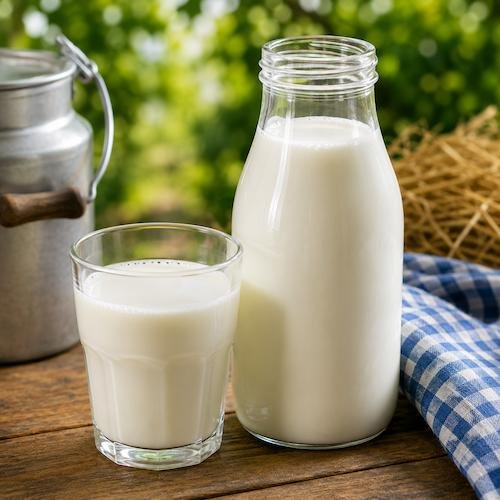
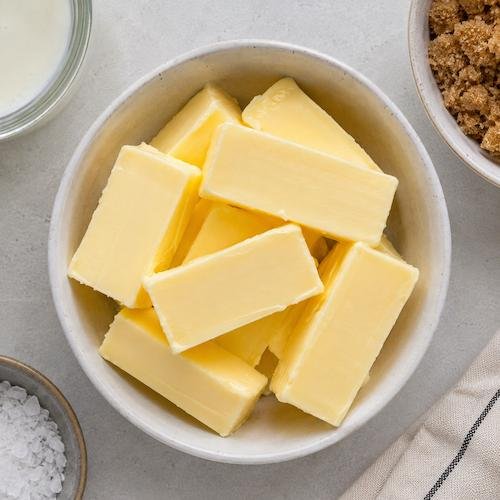
Butter is a dairy product made by churning cream or milk until the butterfat separates from the buttermilk, resulting in a smooth, creamy spread with a rich flavor. It has been enjoyed for centuries and is widely used in both cooking and baking because of its distinctive taste and ability to enhance the texture of foods. Depending on the type, butter may be salted or unsalted and can vary slightly in color based on the animals' diet.
Used in cuisines around the world, Butter is an essential ingredient in breads, cakes, cookies, pastries, sauces, curries, vegetables, seafood, and grilled dishes. It is naturally rich in milk fat, vitamin A, vitamin D, vitamin E, and small amounts of vitamin K2. Its creamy texture and unmistakable flavor make Butter one of the most versatile and popular dairy ingredients in home and professional kitchens.
About Butter
Butter is a dairy product made by churning cream or milk until the butterfat separates from the buttermilk, resulting in a smooth, creamy spread with a rich flavor. It has been enjoyed for centuries and is widely used in both cooking and baking because of its distinctive taste and ability to enhance the texture of foods. Depending on the type, butter may be salted or unsalted and can vary slightly in color based on the animals' diet.
Used in cuisines around the world, Butter is an essential ingredient in breads, cakes, cookies, pastries, sauces, curries, vegetables, seafood, and grilled dishes. It is naturally rich in milk fat, vitamin A, vitamin D, vitamin E, and small amounts of vitamin K2. Its creamy texture and unmistakable flavor make Butter one of the most versatile and popular dairy ingredients in home and professional kitchens.
How to Use Butter
- Spread on bread.
- Bake cakes.
- Prepare cookies.
- Make sauces.
- Sauté vegetables.
- Cook seafood.
- Finish steaks.
- Prepare mashed potatoes.
- Flavor pasta.
- Pair with garlic, herbs, black pepper, bread, potatoes, vegetables, seafood, chicken, and mushrooms.
Storage Tips
- Refrigerate after opening.
- Keep tightly wrapped.
- Store away from strong odors.
- Freeze for long-term storage.
- Use clean utensils.
- Avoid repeated temperature changes.
- Discard if rancid or moldy.
Health Benefits
- Rich in healthy milk fats.
- Good source of vitamin A.
- Contains vitamin D.
- Provides vitamin E.
- Contains small amounts of vitamin K2.
- Supplies energy.
- Supports absorption of fat-soluble vitamins.
- Adds richness to meals.
- Naturally free from carbohydrates.
- Contributes to overall nutrition when consumed in moderation.
Medical Insights
- Provides a concentrated source of energy.
- Vitamin A supports healthy vision.
- Vitamin D contributes to bone health.
- Vitamin E helps reduce oxidative stress.
- Supports absorption of vitamins A, D, E, and K.
- Can be included in balanced diets.
- Supports normal body functions.
- Best consumed in moderation.
Side Effects
- High in saturated fat.
- Excess intake may increase calorie consumption.
- Contains cholesterol.
- Not suitable for people with milk allergies.
- May cause discomfort in lactose-sensitive individuals.
- Consume in moderation.
Allergen Alert
- Contains milk, a major food allergen.
- Not suitable for individuals with dairy allergies.
- May contain traces of other dairy ingredients.
- Cross-contamination may occur during manufacturing.
- Always read product labels carefully.
Nutrition Information (per 100g)
| Nutrient | Amount (Per 100g) |
|---|---|
| Calories | 717 kcal |
| Carbohydrates | 0.1 g |
| Protein | 0.9 g |
| Fat | 81.1 g |
| Saturated Fat | 51.4 g |
| Cholesterol | 215 mg |
| Vitamin A | 684 µg |
| Vitamin D | 1.5 µg |
| Vitamin E | 2.3 mg |
Fun Facts
Butter has been made for thousands of years and remains one of the world's most cherished dairy products. Its rich flavor comes from milk fat, which also gives baked goods their tender texture and golden color. Unsalted butter is often preferred for baking because it allows precise control over salt levels, while salted butter is popular as a spread and for everyday cooking. Clarifying butter removes water and milk solids, producing ghee, a staple ingredient in many South Asian and Middle Eastern cuisines.
FAQ
What is Butter?
Butter is a dairy product made by churning cream until the butterfat separates from the buttermilk.
What is the difference between salted and unsalted Butter?
Salted butter contains added salt for flavor and preservation, while unsalted butter contains no added salt.
Can Butter be used for baking?
Yes. Butter is widely used in cakes, cookies, pastries, and other baked goods.
How should Butter be stored?
Store butter in the refrigerator, tightly wrapped, or freeze it for longer storage.
Can Butter be frozen?
Yes. Butter freezes well and can maintain good quality for several months.
What foods pair well with Butter?
Butter pairs well with bread, potatoes, vegetables, seafood, chicken, garlic, herbs, and mushrooms.
Is Butter the same as ghee?
No. Ghee is clarified butter with the water and milk solids removed.
Does Butter contain lactose?
Butter contains only small amounts of lactose, but people with dairy allergies should avoid it.