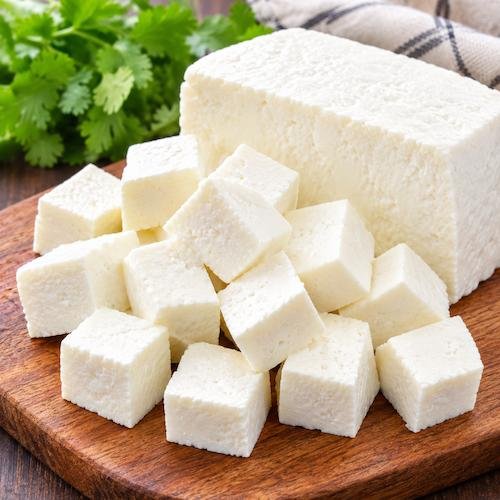
Paneer
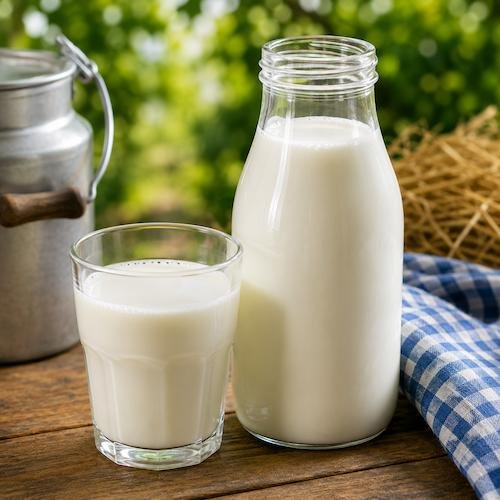
Paneer is a fresh, non-aged cheese prepared by curdling hot milk with an acidic ingredient such as lemon juice or vinegar. Unlike many other cheeses, Paneer does not undergo fermentation or aging, giving it a mild flavor and a firm texture that holds its shape well during cooking. Its ability to absorb spices and sauces makes it one of the most versatile dairy ingredients in Indian cuisine.
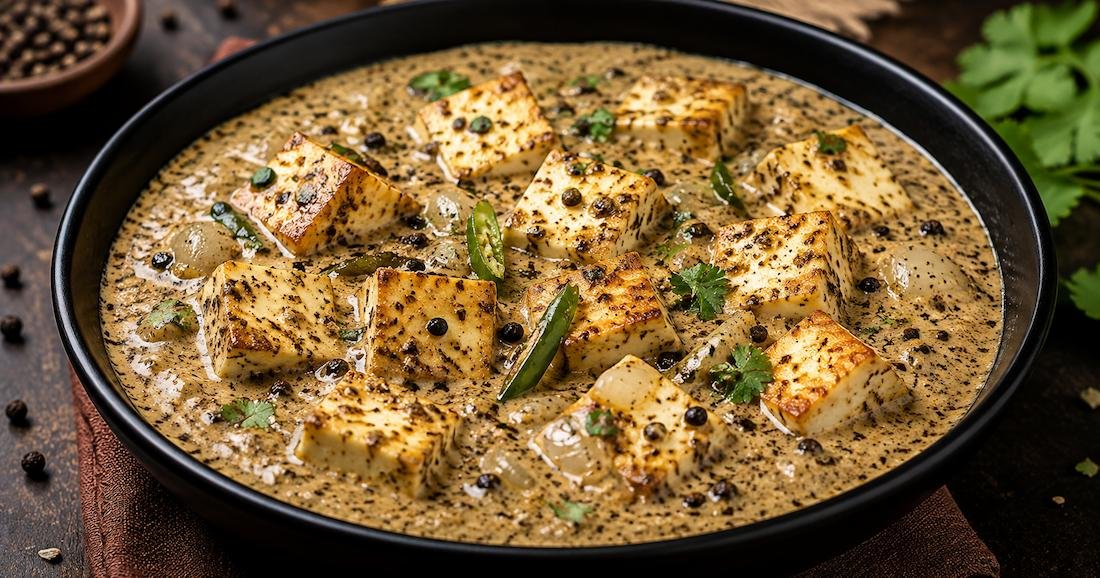
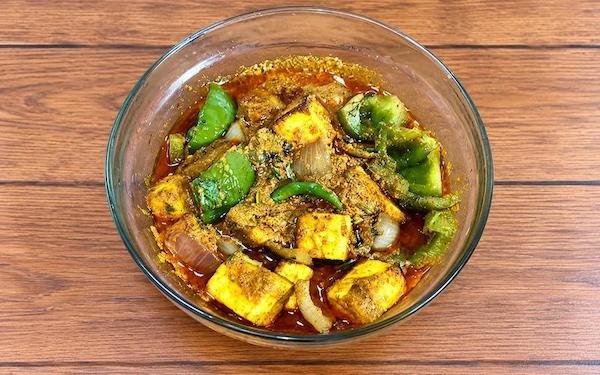
Widely enjoyed across South Asia, Paneer is used in curries, stir-fries, grilled dishes, snacks, wraps, and desserts. It is prized for its high protein content and is a popular vegetarian alternative to meat in many recipes. Naturally rich in calcium, phosphorus, vitamin B12, and healthy fats, Paneer offers both nutrition and versatility, making it a staple ingredient in home kitchens as well as restaurants.
About Paneer
Paneer is a fresh, non-aged cheese prepared by curdling hot milk with an acidic ingredient such as lemon juice or vinegar. Unlike many other cheeses, Paneer does not undergo fermentation or aging, giving it a mild flavor and a firm texture that holds its shape well during cooking. Its ability to absorb spices and sauces makes it one of the most versatile dairy ingredients in Indian cuisine.
Widely enjoyed across South Asia, Paneer is used in curries, stir-fries, grilled dishes, snacks, wraps, and desserts. It is prized for its high protein content and is a popular vegetarian alternative to meat in many recipes. Naturally rich in calcium, phosphorus, vitamin B12, and healthy fats, Paneer offers both nutrition and versatility, making it a staple ingredient in home kitchens as well as restaurants.
How to Use Paneer
- Prepare curries.
- Grill or barbecue.
- Make tikka.
- Prepare stir-fries.
- Stuff parathas.
- Add to salads.
- Prepare wraps.
- Make desserts.
- Fry as snacks.
- Pair with spinach, peas, tomatoes, onion, garlic, ginger, cream, butter, garam masala, and cumin.
Storage Tips
- Refrigerate immediately after purchase.
- Keep in an airtight container.
- Store submerged in clean water for freshness.
- Change the water daily if storing this way.
- Freeze for long-term storage if needed.
- Use clean utensils when handling.
- Consume before the expiry date.
Health Benefits
- Rich in high-quality protein.
- Excellent source of calcium.
- Contains phosphorus.
- Provides vitamin B12.
- Supports bone health.
- Helps maintain muscle mass.
- Naturally low in carbohydrates.
- Supplies healthy fats.
- Suitable for vegetarian diets.
- Contributes to overall wellness.
Medical Insights
- Protein supports muscle growth and repair.
- Calcium contributes to strong bones and teeth.
- Vitamin B12 supports normal nerve function.
- Phosphorus supports healthy bone metabolism.
- Provides sustained energy.
- Can be included in balanced diets.
- Supports daily nutritional requirements.
- Best consumed in moderation.
Side Effects
- Not suitable for people with milk allergies.
- May cause discomfort in lactose-sensitive individuals.
- High-fat varieties may increase calorie intake.
- Spoiled Paneer should never be consumed.
- Excess intake may contribute to weight gain.
- Keep refrigerated at all times.
Allergen Alert
- Contains milk, a major food allergen.
- Not suitable for individuals with dairy allergies.
- May contain traces of other dairy products.
- Cross-contamination may occur during processing.
- Always read packaged product labels.
Nutrition Information (per 100g)
| Nutrient | Amount (Per 100g) |
|---|---|
| Calories | 265 kcal |
| Carbohydrates | 1.2 g |
| Protein | 18.3 g |
| Fat | 20.8 g |
| Calcium | 208 mg |
| Phosphorus | 138 mg |
| Vitamin B12 | 0.8 µg |
| Potassium | 104 mg |
| Sodium | 22 mg |
Fun Facts
Paneer is unique among fresh cheeses because it does not melt when heated, allowing it to retain its shape in curries, grilled dishes, and stir-fries. This characteristic makes it one of the most versatile ingredients in Indian cuisine. Unlike many Western cheeses, Paneer is made without rennet, relying instead on natural acidic ingredients like lemon juice or vinegar to curdle milk. Its mild flavor readily absorbs herbs, spices, and marinades, making it suitable for countless vegetarian recipes enjoyed around the world.
FAQ
What is Paneer?
Paneer is a fresh, non-aged cheese made by curdling milk with an acidic ingredient such as lemon juice or vinegar.
Does Paneer melt when cooked?
No. Paneer retains its shape during cooking, making it ideal for curries and grilled dishes.
Can Paneer be eaten without cooking?
Yes. Fresh Paneer can be eaten as it is or added to salads and sandwiches.
How should Paneer be stored?
Keep it refrigerated in an airtight container or submerged in clean water, changing the water daily.
Can Paneer be frozen?
Yes. Paneer can be frozen for longer storage, although its texture may become slightly firmer after thawing.
What dishes commonly use Paneer?
Paneer is widely used in curries, tikka, stir-fries, wraps, parathas, salads, and desserts.
What ingredients pair well with Paneer?
It pairs well with spinach, peas, tomatoes, onion, garlic, ginger, butter, cream, cumin, and garam masala.
Is Paneer suitable for vegetarians?
Yes. Paneer is a popular vegetarian source of protein and is widely used in meat-free recipes.