Milk
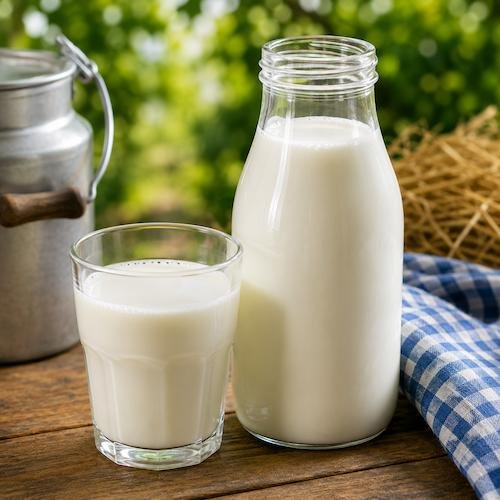
Milk is a nutrient-rich dairy liquid produced by mammals, with cow's milk being the most commonly consumed variety worldwide. It has a naturally creamy texture, mild sweetness, and smooth consistency, making it one of the most versatile ingredients in cooking and baking. Depending on the processing method, milk is available in whole, toned, skimmed, low-fat, and full-cream varieties to suit different dietary needs.
Consumed on its own or used as a base ingredient, Milk is essential for preparing beverages, desserts, sauces, soups, breads, curries, and dairy products such as yogurt, cheese, butter, and paneer. It is naturally rich in high-quality protein, calcium, phosphorus, vitamin B12, riboflavin, and vitamin D (fortified in many regions). Its nutritional value and wide culinary applications have made Milk a staple food in households across the world.
About Milk
Milk is a nutrient-rich dairy liquid produced by mammals, with cow's milk being the most commonly consumed variety worldwide. It has a naturally creamy texture, mild sweetness, and smooth consistency, making it one of the most versatile ingredients in cooking and baking. Depending on the processing method, milk is available in whole, toned, skimmed, low-fat, and full-cream varieties to suit different dietary needs.
Consumed on its own or used as a base ingredient, Milk is essential for preparing beverages, desserts, sauces, soups, breads, curries, and dairy products such as yogurt, cheese, butter, and paneer. It is naturally rich in high-quality protein, calcium, phosphorus, vitamin B12, riboflavin, and vitamin D (fortified in many regions). Its nutritional value and wide culinary applications have made Milk a staple food in households across the world.
How to Use Milk
- Prepare tea and coffee.
- Make desserts.
- Cook sauces.
- Prepare soups.
- Bake cakes.
- Make yogurt.
- Prepare paneer.
- Cook puddings.
- Blend smoothies.
- Pair with cereals, oats, chocolate, coffee, tea, fruits, nuts, rice, and spices like cardamom and cinnamon.
Storage Tips
- Refrigerate immediately after purchase.
- Store below 4°C.
- Keep the container tightly closed.
- Avoid prolonged exposure to room temperature.
- Use clean utensils while handling.
- Consume before the expiry date.
- Do not refreeze thawed milk.
Health Benefits
- Rich in high-quality protein.
- Excellent source of calcium.
- Contains vitamin B12.
- Provides riboflavin (Vitamin B2).
- Contains phosphorus.
- Supports bone health.
- Helps maintain muscle mass.
- Provides potassium.
- Supplies natural energy.
- Contributes to overall wellness.
Medical Insights
- Calcium supports strong bones and teeth.
- Protein helps muscle growth and repair.
- Vitamin B12 supports normal nerve function.
- Riboflavin aids energy metabolism.
- Phosphorus contributes to healthy bones.
- Helps maintain overall nutrition.
- Supports balanced diets.
- Best consumed according to individual dietary needs.
Side Effects
- Not suitable for individuals with milk allergies.
- May cause discomfort in lactose-intolerant people.
- Spoiled milk should never be consumed.
- Excess intake may increase calorie consumption.
- Flavored milk may contain added sugar.
- Keep refrigerated after opening.
Allergen Alert
- Contains milk, a major food allergen.
- Not suitable for individuals with dairy allergies.
- May contain traces of other dairy ingredients.
- Cross-contamination may occur during processing.
- Always read product labels carefully.
Nutrition Information (per 100g)
| Nutrient | Amount (Per 100g) |
|---|---|
| Calories | 61 kcal |
| Carbohydrates | 4.8 g |
| Protein | 3.2 g |
| Fat | 3.3 g |
| Calcium | 113 mg |
| Phosphorus | 84 mg |
| Potassium | 150 mg |
| Vitamin B12 | 0.4 µg |
| Riboflavin (B2) | 0.18 mg |
Fun Facts
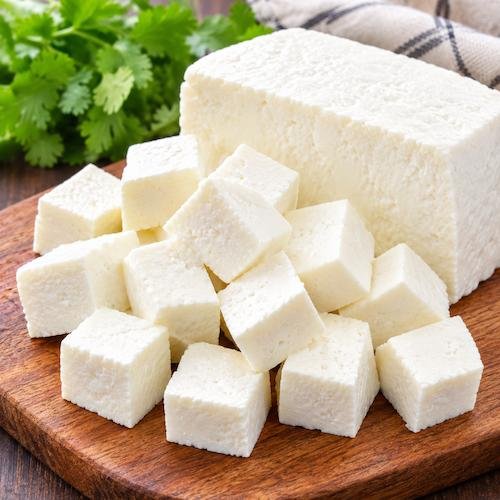
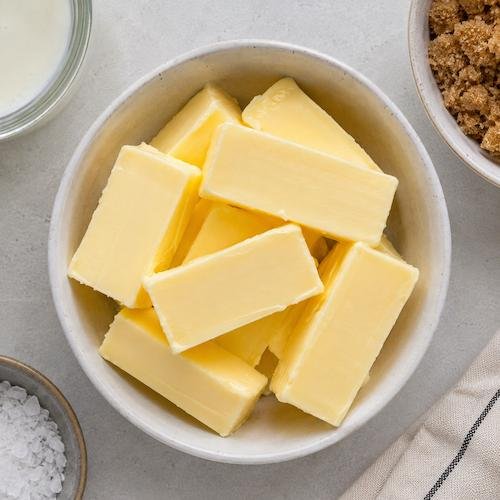
Milk has been an important part of human diets for thousands of years and is consumed in almost every region of the world. It serves as the starting ingredient for numerous dairy products, including butter, cheese, yogurt, cream, and paneer. Modern pasteurization techniques significantly improve its safety and shelf life while preserving most of its nutritional value. Different animals, including cows, buffaloes, goats, and sheep, produce milk with unique flavors, fat content, and culinary characteristics, giving consumers a wide variety of choices.
FAQ
What is Milk?
Milk is a nutrient-rich dairy liquid produced by mammals, with cow's milk being the most widely consumed.
Is Milk a good source of calcium?
Yes. Milk is one of the best natural sources of calcium for supporting healthy bones and teeth.
Can Milk be used in cooking?
Yes. It is widely used in beverages, desserts, sauces, soups, breads, curries, and dairy products.
How should Milk be stored?
Keep milk refrigerated below 4°C and consume it before its expiry date.
What is the difference between pasteurized and UHT Milk?
Pasteurized milk requires refrigeration, while UHT milk has a longer shelf life before opening due to ultra-high temperature processing.
What foods pair well with Milk?
Milk pairs well with cereals, oats, coffee, tea, chocolate, fruits, nuts, rice, cinnamon, and cardamom.
Can people with lactose intolerance drink Milk?
Some individuals may prefer lactose-free milk or plant-based alternatives, depending on their level of lactose intolerance.
Is Milk available throughout the year?
Yes. Fresh and packaged milk is widely available year-round in most regions.