Plain Yogurt
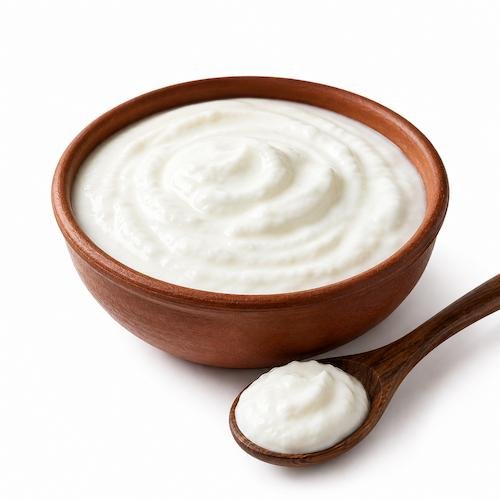
Plain Yogurt is a fermented dairy product made by culturing milk with beneficial bacteria, primarily Lactobacillus and Streptococcus strains. The fermentation process gives yogurt its smooth, creamy texture and mildly tangy flavor while naturally thickening the milk. It is enjoyed across many cultures as a nutritious food and serves as a versatile ingredient in both savory and sweet recipes.
Made from cow, buffalo, goat, or sheep milk, Plain Yogurt is widely used in curries, marinades, smoothies, desserts, dips, dressings, and baked goods. It is naturally rich in protein, calcium, phosphorus, vitamin B12, riboflavin, and probiotics that contribute to its nutritional value. Its refreshing taste, creamy consistency, and culinary versatility have made Plain Yogurt a staple food in kitchens around the world.
About Plain Yogurt
Plain Yogurt is a fermented dairy product made by culturing milk with beneficial bacteria, primarily Lactobacillus and Streptococcus strains. The fermentation process gives yogurt its smooth, creamy texture and mildly tangy flavor while naturally thickening the milk. It is enjoyed across many cultures as a nutritious food and serves as a versatile ingredient in both savory and sweet recipes.
Made from cow, buffalo, goat, or sheep milk, Plain Yogurt is widely used in curries, marinades, smoothies, desserts, dips, dressings, and baked goods. It is naturally rich in protein, calcium, phosphorus, vitamin B12, riboflavin, and probiotics that contribute to its nutritional value. Its refreshing taste, creamy consistency, and culinary versatility have made Plain Yogurt a staple food in kitchens around the world.
How to Use Plain Yogurt
- Prepare raita.
- Make smoothies.
- Marinate meat.
- Blend into curries.
- Prepare dips.
- Mix into salad dressings.
- Make frozen desserts.
- Bake breads and cakes.
- Serve with fruits.
- Pair with cucumber, mint, garlic, cumin, berries, honey, granola, rice, and grilled chicken.
Storage Tips
- Refrigerate immediately after purchase.
- Keep the container tightly sealed.
- Maintain a temperature below 4°C.
- Use a clean spoon every time.
- Do not leave at room temperature for long.
- Consume before the expiry date.
- Do not refreeze thawed yogurt.
Health Benefits
- Rich in high-quality protein.
- Excellent source of calcium.
- Contains beneficial probiotics.
- Supports digestive health.
- Provides vitamin B12.
- Rich in riboflavin (Vitamin B2).
- Contains phosphorus for bone health.
- Supports muscle maintenance.
- Naturally refreshing and hydrating.
- Contributes to overall wellness.
Medical Insights
- Traditionally used to support digestive health.
- Probiotics help maintain healthy gut bacteria.
- Calcium supports strong bones and teeth.
- Protein helps maintain muscle mass.
- Vitamin B12 supports normal nerve function.
- Phosphorus contributes to healthy bones.
- Can be included in balanced diets.
- Supports overall nutritional intake.
Side Effects
- Not suitable for individuals with milk allergies.
- May cause discomfort in people with lactose intolerance.
- Flavored varieties may contain added sugars.
- Spoiled yogurt should never be consumed.
- Excess intake may increase calorie consumption.
- Store under refrigeration at all times.
Allergen Alert
- Contains milk, a major food allergen.
- Not suitable for people with dairy allergies.
- May contain traces of other dairy ingredients.
- Cross-contamination may occur during manufacturing.
- Always read packaged product labels.
Nutrition Information (per 100g)
| Nutrient | Amount (Per 100g) |
|---|---|
| Calories | 61 kcal |
| Carbohydrates | 4.7 g |
| Protein | 3.5 g |
| Fat | 3.3 g |
| Calcium | 121 mg |
| Phosphorus | 95 mg |
| Vitamin B12 | 0.5 µg |
| Riboflavin (B2) | 0.14 mg |
| Potassium | 155 mg |
Fun Facts
Plain Yogurt has been enjoyed for thousands of years and is believed to have originated through the natural fermentation of milk. The live bacterial cultures used to make yogurt transform milk into a creamy food with a pleasantly tangy flavor and a longer shelf life than fresh milk. Today, Plain Yogurt is consumed in countless ways across the world, from breakfast bowls and refreshing drinks to marinades, curries, desserts, and traditional fermented dishes, making it one of the most versatile dairy products available.
FAQ
What is Plain Yogurt?
Plain Yogurt is a fermented dairy product made by culturing milk with beneficial bacteria.
Does Plain Yogurt contain probiotics?
Yes. Most plain yogurts contain live beneficial bacterial cultures, although amounts vary by product.
Can Plain Yogurt be used in cooking?
Yes. It is widely used in curries, marinades, dips, dressings, desserts, and baked recipes.
How should Plain Yogurt be stored?
Keep it refrigerated in a tightly sealed container and consume it before its expiry date.
Can Plain Yogurt be frozen?
Yes. It can be frozen, although the texture may become grainy after thawing.
What foods pair well with Plain Yogurt?
It pairs well with fruits, honey, cucumber, mint, garlic, spices, granola, rice, and grilled dishes.
Is Plain Yogurt the same as Greek yogurt?
No. Greek yogurt is strained to remove more whey, making it thicker and higher in protein.
Can lactose-intolerant people eat Plain Yogurt?
Some people with lactose intolerance may tolerate plain yogurt better than milk because fermentation reduces lactose, but individual tolerance varies.