Garlic
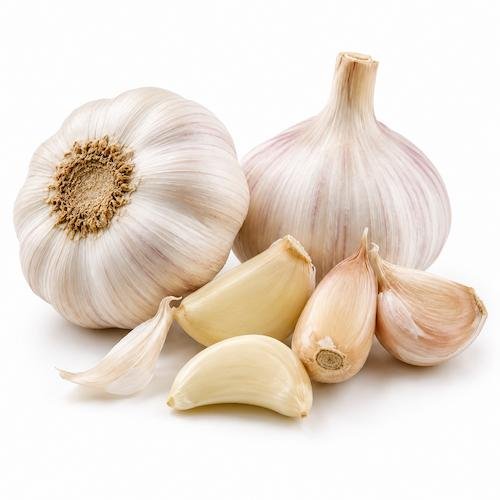
Garlic is the edible bulb of the Allium sativum plant and is one of the most widely used culinary ingredients in the world. Each bulb is made up of multiple cloves enclosed in a thin papery skin, releasing a strong, distinctive aroma when crushed or chopped. Its bold flavor mellows into a rich, slightly sweet taste during cooking, making it an indispensable ingredient in countless recipes.
Used fresh, roasted, minced, powdered, or as a paste, garlic enhances curries, soups, sauces, marinades, stir-fries, breads, and roasted dishes. It is naturally rich in vitamin C, vitamin B6, manganese, selenium, and sulfur-containing compounds such as allicin, which contribute to its characteristic aroma. Garlic's remarkable versatility, nutritional value, and ability to complement almost any savory dish have made it a staple ingredient in cuisines across the globe.
About Garlic
Garlic is the edible bulb of the Allium sativum plant and is one of the most widely used culinary ingredients in the world. Each bulb is made up of multiple cloves enclosed in a thin papery skin, releasing a strong, distinctive aroma when crushed or chopped. Its bold flavor mellows into a rich, slightly sweet taste during cooking, making it an indispensable ingredient in countless recipes.
Used fresh, roasted, minced, powdered, or as a paste, garlic enhances curries, soups, sauces, marinades, stir-fries, breads, and roasted dishes. It is naturally rich in vitamin C, vitamin B6, manganese, selenium, and sulfur-containing compounds such as allicin, which contribute to its characteristic aroma. Garlic's remarkable versatility, nutritional value, and ability to complement almost any savory dish have made it a staple ingredient in cuisines across the globe.
How to Use Garlic
- Prepare curries.
- Flavor soups.
- Make garlic butter.
- Add to stir-fries.
- Roast with vegetables.
- Prepare marinades.
- Blend into sauces.
- Bake garlic bread.
- Add to pasta dishes.
- Pair with onion, ginger, lemon, butter, olive oil, black pepper, herbs, tomatoes, and chili.
Storage Tips
- Store whole bulbs in a cool, dry place.
- Keep away from direct sunlight.
- Ensure good air circulation.
- Avoid refrigeration for whole bulbs.
- Refrigerate peeled cloves.
- Freeze chopped garlic for long-term storage.
- Discard cloves showing mold or sprouts.
Health Benefits
- Rich in natural antioxidants.
- Contains allicin, a beneficial sulfur compound.
- Good source of vitamin B6.
- Provides vitamin C for immune support.
- Contains manganese for normal metabolism.
- Supplies selenium for overall health.
- Supports healthy digestion.
- Naturally low in calories.
- Adds flavor without excess fat.
- Contributes to overall wellness.
Medical Insights
- Traditionally used to support immune health.
- Allicin may help reduce oxidative stress.
- May support healthy inflammatory responses.
- Vitamin C contributes to immune function.
- Vitamin B6 supports normal metabolism.
- Selenium supports normal cell function.
- Supports balanced nutrition.
- Can be included in healthy daily diets.
Side Effects
- Excess consumption may cause bad breath.
- May lead to stomach irritation in sensitive individuals.
- Can aggravate acid reflux.
- Rare allergic reactions may occur.
- May interact with blood-thinning medications.
- Consume in moderation.
Allergen Alert
- Garlic allergy is uncommon but possible.
- Sensitive individuals may experience skin or digestive irritation.
- Garlic products may contain preservatives or additives.
- Cross-contamination may occur during processing.
- Always read packaged product labels.
Nutrition Information (per 100g)
| Nutrient | Amount (Per 100g) |
|---|---|
| Calories | 149 kcal |
| Carbohydrates | 33.1 g |
| Dietary Fiber | 2.1 g |
| Protein | 6.4 g |
| Fat | 0.5 g |
| Vitamin C | 31.2 mg |
| Vitamin B6 | 1.2 mg |
| Manganese | 1.7 mg |
| Selenium | 14.2 µg |
Fun Facts
Garlic has been cultivated for more than 5,000 years and has been valued by civilizations including the Egyptians, Greeks, Romans, and Chinese. Ancient workers were even believed to consume garlic regularly as part of their daily diet. When a garlic clove is crushed or chopped, it produces allicin, the natural compound responsible for its unmistakable aroma and flavor. Although raw garlic has a sharp, pungent taste, cooking transforms it into a mellow, slightly sweet ingredient that enhances countless dishes around the world.
FAQ
What is garlic?
Garlic is the edible bulb of the Allium sativum plant, widely used as a flavorful culinary ingredient.
Why does garlic smell so strong?
Crushing or chopping garlic releases allicin, a natural sulfur compound responsible for its distinctive aroma.
Can garlic be eaten raw?
Yes. Raw garlic is commonly used in salads, dressings, dips, and traditional recipes.
How should garlic be stored?
Store whole bulbs in a cool, dry, well-ventilated place away from direct sunlight.
Can garlic be frozen?
Yes. Peeled or chopped garlic can be frozen in airtight containers for extended storage.
What foods pair well with garlic?
Garlic pairs well with onion, ginger, herbs, butter, olive oil, tomatoes, lemon, meat, seafood, and vegetables.
Is garlic available throughout the year?
Yes. Fresh bulbs and processed garlic products are widely available year-round.
Why does cooked garlic taste sweeter than raw garlic?
Heat softens garlic's sharp sulfur compounds, producing a milder, richer, and slightly sweet flavor.