Onion
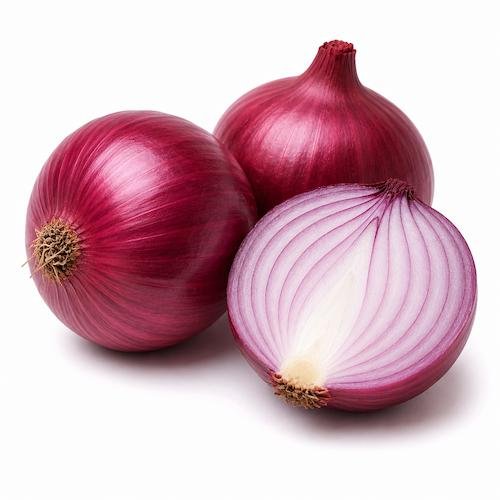
Onion is one of the most widely used vegetables in kitchens around the world and belongs to the Allium family, which also includes garlic, shallots, leeks, and chives. Known for its distinctive aroma and flavor, onions are available in several varieties such as red, white, yellow, and sweet onions, each offering unique culinary characteristics. They can be eaten raw, sautéed, roasted, grilled, caramelized, pickled, or fried, making them an incredibly versatile ingredient.
Rich in natural antioxidants, sulfur compounds, vitamins, and dietary fiber, onions not only enhance the taste of food but also contribute valuable nutrients to the diet. Raw onions provide a sharp, pungent flavor, while cooking transforms them into a sweeter, milder ingredient that adds depth to soups, curries, stir-fries, salads, sauces, and countless other dishes across different cuisines.
About Onion
Onion is one of the most widely used vegetables in kitchens around the world and belongs to the Allium family, which also includes garlic, shallots, leeks, and chives. Known for its distinctive aroma and flavor, onions are available in several varieties such as red, white, yellow, and sweet onions, each offering unique culinary characteristics. They can be eaten raw, sautéed, roasted, grilled, caramelized, pickled, or fried, making them an incredibly versatile ingredient.
Rich in natural antioxidants, sulfur compounds, vitamins, and dietary fiber, onions not only enhance the taste of food but also contribute valuable nutrients to the diet. Raw onions provide a sharp, pungent flavor, while cooking transforms them into a sweeter, milder ingredient that adds depth to soups, curries, stir-fries, salads, sauces, and countless other dishes across different cuisines.
How to Use Onion
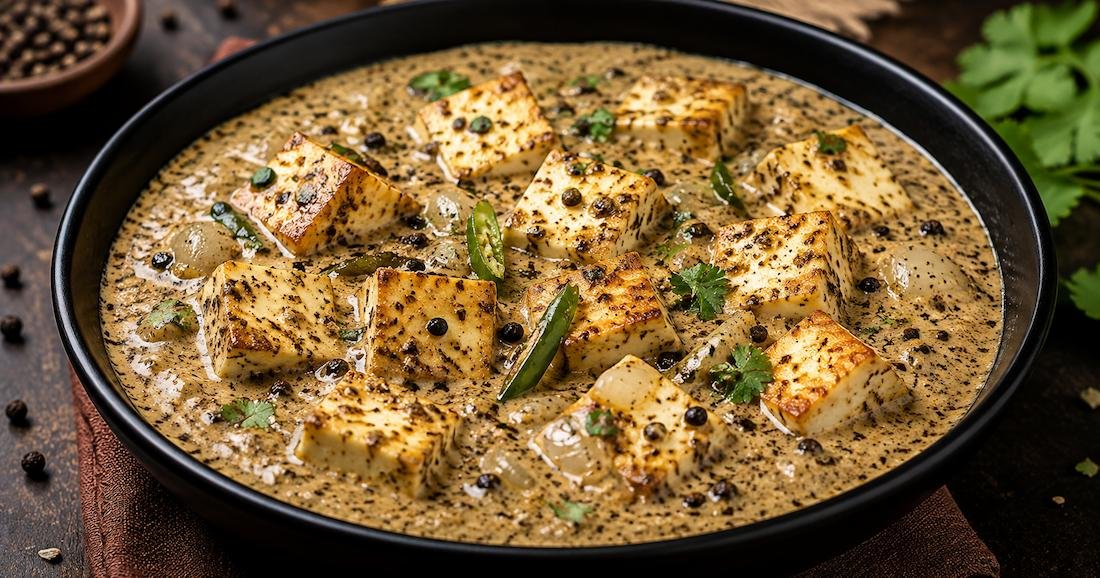
- Used as a base for curries, gravies, and sauces.
- Excellent in soups, stews, and broths.
- Perfect for stir-fries and fried rice.
- Adds crunch to salads and sandwiches.
- Commonly used in burgers, wraps, and tacos.
- Ideal for caramelizing to enhance sweetness.
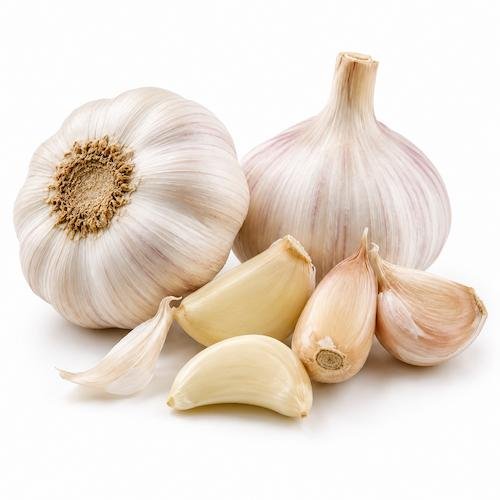
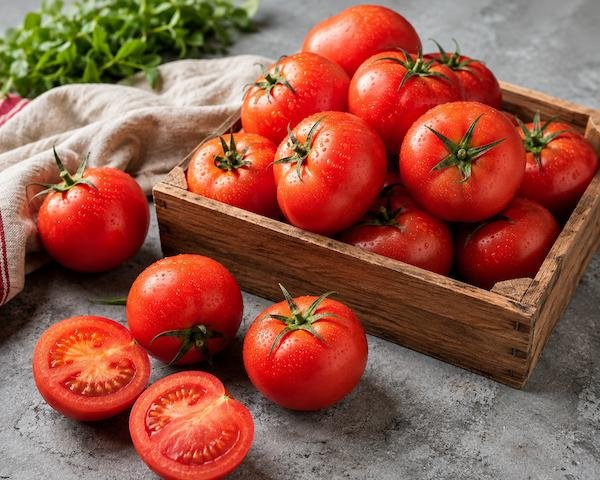
- Pairs well with garlic, ginger, tomatoes, and green chilies.
- Complements meats, seafood, eggs, and legumes.
- Works well with herbs such as parsley, thyme, rosemary, and coriander.
- Frequently used in pickles, chutneys, and relishes.
Storage Tips
- Store whole onions in a cool, dry, well-ventilated place.
- Keep away from direct sunlight and moisture.
- Avoid storing whole onions in sealed plastic bags.
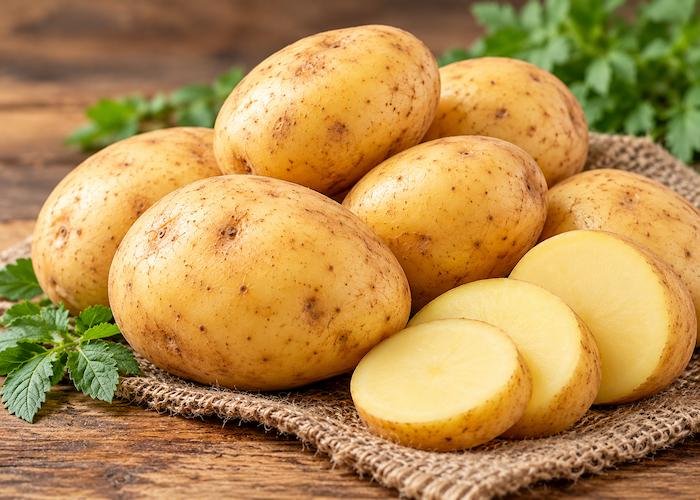
- Do not store onions next to potatoes, as both spoil faster.
- Refrigerate peeled or cut onions in an airtight container.
- Use refrigerated cut onions within 5–7 days.
- Freeze chopped onions for longer storage if needed.
- Discard onions showing mold, excessive softness, or foul odor.
Health Benefits
- Rich in antioxidants that help protect cells from oxidative stress.
- Contains vitamin C, which supports immune system function.
- Provides dietary fiber that promotes healthy digestion.
- May help support heart health by promoting healthy cholesterol levels.
- Contains sulfur compounds that contribute to overall wellness.
- Low in calories, making it suitable for weight-conscious diets.
- Supports gut health by providing prebiotic fibers.
- May help maintain healthy blood sugar levels when included in a balanced diet.
- Contains flavonoids such as quercetin that support overall health.
- Provides small amounts of potassium, folate, and vitamin B6.
Medical Insights
- Quercetin found in onions has antioxidant and anti-inflammatory properties.
- Prebiotic fibers like inulin help nourish beneficial gut bacteria.
- Sulfur compounds have been studied for their potential cardiovascular benefits.
- Regular vegetable consumption, including onions, may contribute to overall heart health.
- Some studies suggest onions may support healthy blood pressure when consumed as part of a balanced diet.
- Cooking methods can influence the amount of beneficial compounds retained.
- Raw onions generally contain higher levels of certain antioxidants than heavily cooked onions.
- Onions should not replace prescribed medical treatments for any condition.
Side Effects
- May cause bloating or gas in sensitive individuals.
- Can trigger acid reflux or heartburn in some people.
- Excessive consumption may cause digestive discomfort.
- Raw onions may irritate the stomach lining in susceptible individuals.
- Cutting onions releases sulfur compounds that can cause temporary eye irritation.
- Some people may experience bad breath after eating onions.
- Individuals following a low-FODMAP diet may need to limit onion intake.
Allergen Alert
- True onion allergy is uncommon but can occur.
- Symptoms may include itching, swelling, skin rash, or digestive discomfort.
- People allergic to other Allium vegetables may also react to onions.
- Severe allergic reactions require immediate medical attention.
- Cross-contact with onions may be important for highly sensitive individuals.
Nutrition Information (per 100g)
| Nutrient | Amount (Per 100g) |
|---|---|
| Calories | 40 kcal |
| Water | 89.1 g |
| Carbohydrates | 9.34 g |
| Sugars | 4.24 g |
| Dietary Fiber | 1.7 g |
| Protein | 1.1 g |
| Fat | 0.1 g |
| Vitamin C | 7.4 mg |
| Vitamin B6 | 0.12 mg |
| Folate | 19 µg |
| Potassium | 146 mg |
| Calcium | 23 mg |
| Magnesium | 10 mg |
| Phosphorus | 29 mg |
| Sodium | 4 mg |
Fun Facts
Onions have been cultivated for more than 5,000 years and are among the oldest known food crops. Ancient civilizations valued onions not only as food but also as symbols of strength, prosperity, and eternal life because of their circular layers. Egyptians even placed onions in royal tombs, believing they represented everlasting existence.
The tears produced while cutting onions are caused by natural sulfur compounds released into the air, which react with moisture in the eyes. Despite this well-known effect, onions remain one of the world's most essential cooking ingredients, appearing in countless traditional recipes across nearly every cuisine.
FAQ
Can onions be eaten raw?
Yes. Raw onions are commonly used in salads, sandwiches, burgers, chutneys, and salsas. They have a stronger flavor than cooked onions.
Which onion is best for cooking?
Yellow onions are considered the most versatile for everyday cooking, while red onions are popular for salads and white onions are commonly used in Mexican and Asian dishes.
Why do onions make your eyes water?
When an onion is cut, sulfur-containing compounds are released into the air. These react with moisture in your eyes and produce mild irritation, leading to tears.
Can onions be frozen?
Yes. Chopped onions can be frozen in airtight freezer bags or containers for several months and used directly in cooked dishes.
Are onions healthy to eat every day?
For most people, moderate daily consumption of onions as part of a balanced diet is considered safe and can provide fiber, antioxidants, vitamins, and beneficial plant compounds.
Should onions be refrigerated?
Whole onions are best stored in a cool, dry, ventilated place. Only peeled or cut onions should be refrigerated in an airtight container.