Potato
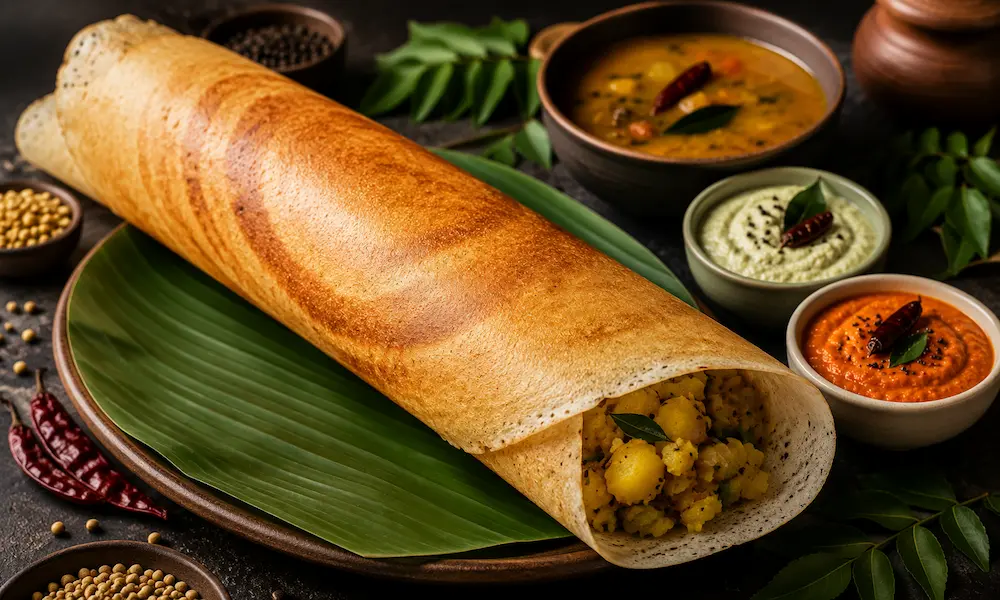
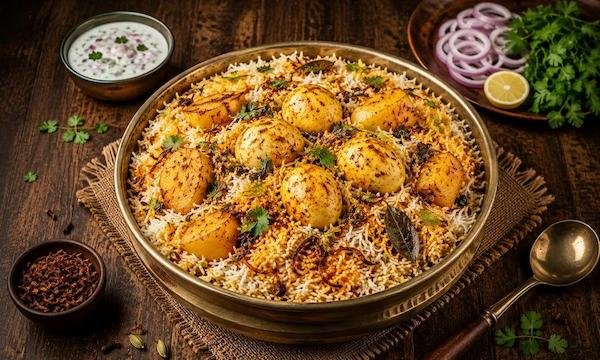
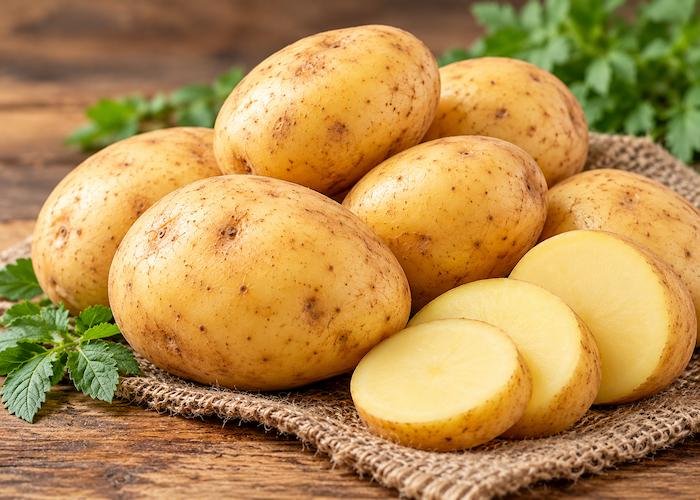
A versatile vegetable used in curries, snacks, stuffed breads and rice dishes.
About Potato
A versatile vegetable used in curries, snacks, stuffed breads and rice dishes.
How to Use Potato
- Boil potatoes for salads, curries, and side dishes.
- Mash cooked potatoes for a creamy side dish.
- Roast potatoes with herbs and spices.
- Fry potatoes to make chips, wedges, or fries.
- Add diced potatoes to soups and stews.
- Use potatoes in casseroles, gratins, and baked dishes.
- Stuff baked potatoes with vegetables, cheese, or other fillings.
Storage Tips
- Store potatoes in a cool, dark, and dry place.
- Keep them away from direct sunlight to prevent greening.
- Avoid storing potatoes in the refrigerator, as cold temperatures can affect their texture and flavor.
- Store potatoes in a well-ventilated basket or paper bag.
- Keep potatoes separate from onions to help extend freshness.
- Remove any sprouting or damaged potatoes from storage.
- Discard potatoes that become soft, moldy, or excessively green.
Health Benefits
- Provides a good source of energy due to its natural carbohydrate content.
- Contains dietary fiber that supports digestive health.
- Rich in potassium, which helps support normal muscle and nerve function.
- Provides Vitamin C, which contributes to immune system function.
- Naturally fat-free and cholesterol-free when prepared without added fats.
- Contains antioxidants that help protect cells from oxidative stress.
Medical Insights
- Potatoes are a nutrient-dense vegetable that provide carbohydrates, vitamins, minerals, and fiber.
- They are particularly rich in potassium, an important mineral for maintaining normal bodily functions.
- The skin contains a significant portion of the potato's fiber and nutrients.
- Cooking methods can affect the nutritional value and glycemic response of potatoes.
- Colored potato varieties may contain additional antioxidant compounds.
- Note: Potatoes should be consumed as part of a balanced diet and are not intended to diagnose, treat, cure, or prevent any disease
Side Effects
- Excessive consumption of fried potato products may contribute to increased calorie intake.
- Some individuals may experience digestive discomfort from large servings.
- Green potatoes contain solanine, a naturally occurring compound that should be avoided in high amounts.
- Processed potato products often contain added sodium and fats.
- Potatoes may cause blood sugar spikes in some individuals depending on preparation and portion size.
Allergen Alert
- Potato allergy is uncommon but possible.
- Symptoms may include itching, skin irritation, digestive discomfort, or respiratory symptoms.
- Some individuals may react to raw potatoes but tolerate cooked potatoes.
- Seek medical attention if severe allergic reactions occur.
Nutrition Information (per 100g)
| Nutrient | Amount |
|---|---|
| Calories | 77 kcal |
| Carbohydrates | 17.5 g |
| Protein | 2.0 g |
| Total Fat | 0.1 g |
| Dietary Fiber | 2.2 g |
| Sugars | 0.8 g |
| Calcium | 12 mg |
| Iron | 0.8 mg |
| Magnesium | 23 mg |
| Potassium | 421 mg |
| Vitamin C | 19.7 mg |
| Vitamin B6 | 0.3 mg |
| Sodium | 6 mg |
*Values are approximate and may vary depending on variety and growing conditions.
Fun Facts
Potatoes originated in the Andes Mountains of South America and have been cultivated for thousands of years. They are one of the world's most widely consumed vegetables and come in hundreds of varieties. Potatoes can be found in different colors, including white, yellow, red, purple, and blue. The potato plant belongs to the nightshade family, which also includes tomatoes and peppers. Today, potatoes are a staple food in many cuisines around the globe.
FAQ
What is a potato?
Potato is a starchy root vegetable that is widely grown and consumed around the world as a versatile food ingredient.
Can potatoes be eaten with the skin?
Yes. Potato skins are edible and contain fiber and nutrients, provided they are thoroughly washed and free from green patches.
Why do potatoes turn green?
Exposure to light can cause potatoes to produce chlorophyll and solanine, resulting in a green color and bitter taste.
How are potatoes commonly cooked?
Potatoes can be boiled, baked, roasted, mashed, fried, steamed, or added to soups and curries.
Do potatoes need refrigeration?
No. Potatoes are best stored in a cool, dark, and dry place rather than in the refrigerator.
Can potatoes be frozen?
Cooked potatoes can be frozen, but raw potatoes generally do not freeze well due to texture changes.
Are potatoes gluten-free?
Yes. Plain potatoes are naturally gluten-free and suitable for gluten-free diets.
Can people with potato allergies eat potatoes?
No. Individuals with a known potato allergy should avoid potatoes and products containing them.
What foods pair well with potatoes?
Potatoes pair well with vegetables, meats, seafood, herbs, spices, dairy products, and a variety of sauces.
Are sweet potatoes and potatoes the same?
No. Sweet potatoes and potatoes are different vegetables from different plant families, although both are commonly used in cooking.