Tomato
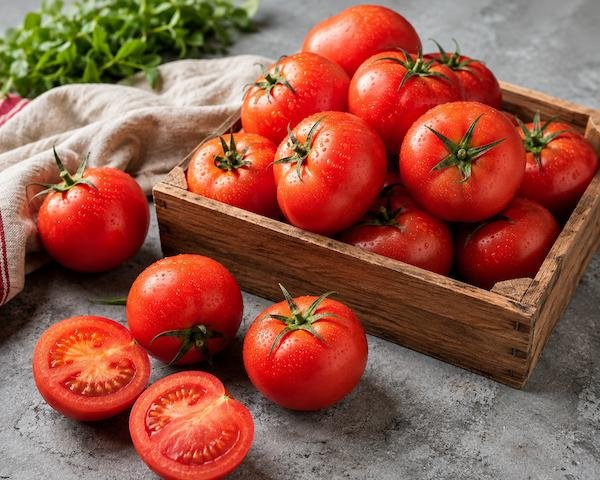
Tomato (Solanum lycopersicum) is one of the world's most widely cultivated fruits, though it is commonly used as a vegetable in cooking. It is valued for its juicy flesh, smooth skin, and balanced sweet-tangy flavor that complements countless recipes. Depending on the variety, tomatoes range in color from bright red to yellow, orange, green, purple, and even black.
Fresh tomatoes are enjoyed raw in salads and sandwiches, while cooked tomatoes form the foundation of soups, sauces, curries, stews, and countless international dishes. Their natural acidity and rich umami taste enhance the flavor of other ingredients, making them an indispensable kitchen staple.
Besides their culinary versatility, tomatoes are packed with vitamin C, vitamin A, potassium, folate, and lycopene, a powerful antioxidant responsible for their vibrant red color. Their refreshing taste, nutritional value, and year-round availability have made tomatoes one of the most consumed fruits across the globe.
About Tomato
Tomato (Solanum lycopersicum) is one of the world's most widely cultivated fruits, though it is commonly used as a vegetable in cooking. It is valued for its juicy flesh, smooth skin, and balanced sweet-tangy flavor that complements countless recipes. Depending on the variety, tomatoes range in color from bright red to yellow, orange, green, purple, and even black.
Fresh tomatoes are enjoyed raw in salads and sandwiches, while cooked tomatoes form the foundation of soups, sauces, curries, stews, and countless international dishes. Their natural acidity and rich umami taste enhance the flavor of other ingredients, making them an indispensable kitchen staple.
Besides their culinary versatility, tomatoes are packed with vitamin C, vitamin A, potassium, folate, and lycopene, a powerful antioxidant responsible for their vibrant red color. Their refreshing taste, nutritional value, and year-round availability have made tomatoes one of the most consumed fruits across the globe.
How to Use Tomato
- Add to salads.
- Prepare soups.
- Make pasta sauces.
- Cook in curries.
- Prepare salsa.
- Top pizzas.
- Use in sandwiches.
- Roast for side dishes.
- Blend into juices.
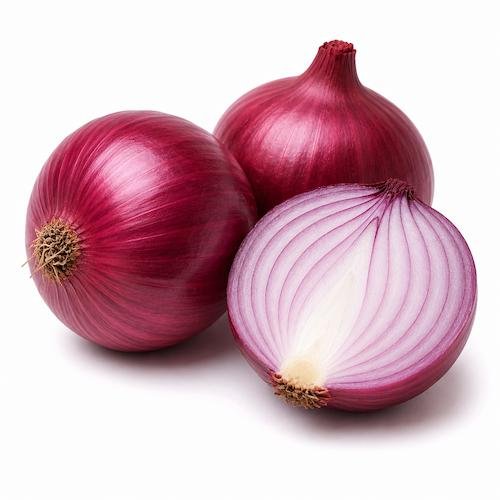
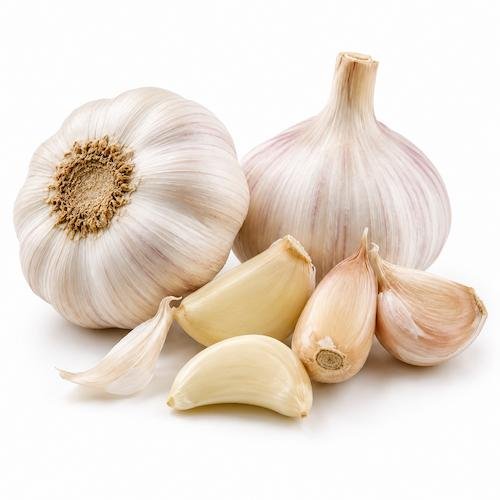
- Pair with basil, garlic, onion, olive oil, mozzarella, oregano, black pepper, and cucumber.
Storage Tips
- Store ripe tomatoes at room temperature.
- Refrigerate only when fully ripe if necessary.
- Keep away from direct sunlight.
- Avoid stacking to prevent bruising.
- Wash before use.
- Refrigerate cut tomatoes in airtight containers.
- Consume ripe tomatoes within a few days.
Health Benefits
- Rich in vitamin C for immune support.
- Excellent source of lycopene antioxidants.
- Supports heart health.
- Contains vitamin A for healthy vision.
- Provides potassium for muscle function.
- Low in calories and fat.
- Supports healthy skin.
- Contains dietary fiber for digestion.
- Helps maintain hydration.
- Contributes to overall wellness.
Medical Insights
- May support cardiovascular health.
- Lycopene helps reduce oxidative stress.
- Vitamin C supports collagen production.
- Vitamin A contributes to eye health.
- Potassium supports healthy blood pressure.
- Fiber promotes digestive regularity.
- May support healthy skin.
- Can be included in balanced diets.
Side Effects
- May trigger acid reflux in sensitive individuals.
- Excess intake may increase stomach acidity.
- Rare tomato allergies may occur.
- Overconsumption may cause digestive discomfort.
- Some people are sensitive to nightshade vegetables.
- Consume as part of a balanced diet.
Allergen Alert
- Tomato allergy is uncommon but possible.
- Individuals with latex-food syndrome may react.
- Processed products may contain preservatives.
- Cross-contamination may occur during manufacturing.
- Read labels on packaged tomato products.
Nutrition Information (per 100g)
| Nutrient | Amount (Per 100g) |
|---|---|
| Calories | 18 kcal |
| Carbohydrates | 3.9 g |
| Dietary Fiber | 1.2 g |
| Protein | 0.9 g |
| Fat | 0.2 g |
| Vitamin C | 13.7 mg |
| Vitamin A | 42 µg |
| Potassium | 237 mg |
| Folate | 15 µg |
Fun Facts
Although tomatoes are commonly treated as vegetables in the kitchen, they are botanically classified as fruits because they develop from the flower and contain seeds. They originated in South America before spreading across the world through global trade. Today, thousands of tomato varieties are cultivated, ranging from tiny cherry tomatoes to large beefsteak types. Their remarkable versatility allows them to appear in everything from fresh salads to rich sauces, making them one of the most important ingredients in global cuisine.
FAQ
Is a tomato a fruit or a vegetable?
Botanically it is a fruit, although it is commonly used as a vegetable in cooking.
Can tomatoes be eaten raw?
Yes. They are widely enjoyed fresh in salads, sandwiches, and snacks.
Are tomatoes healthy?
Yes. They provide vitamin C, vitamin A, potassium, fiber, and lycopene antioxidants.
What is lycopene?
Lycopene is a natural antioxidant pigment responsible for the red color of tomatoes.
Should tomatoes be refrigerated?
Ripe tomatoes can be refrigerated if necessary, but room temperature helps preserve their flavor.
Can tomatoes be cooked?
Yes. They are widely used in sauces, soups, curries, stews, and roasted dishes.
What foods pair well with tomatoes?
They pair well with basil, garlic, onion, cheese, olive oil, herbs, and grilled meats.
Are all tomatoes red?
No. Different varieties may be yellow, orange, green, purple, black, or striped.