Carrot
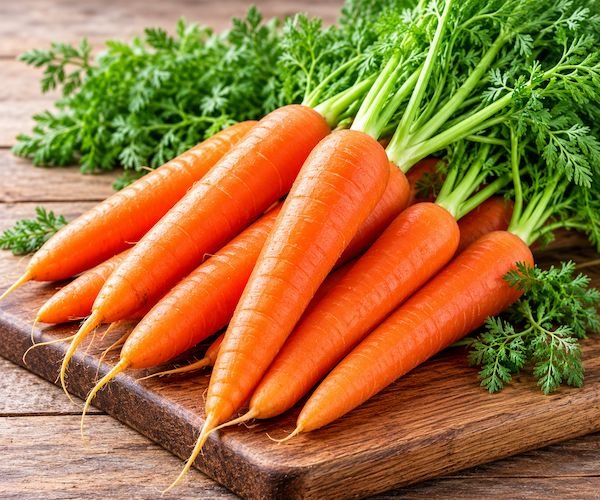
Carrot, known as gajar in India, is a crunchy root vegetable valued for its naturally sweet flavour, colour and versatility in everyday cooking. The most familiar variety is orange, but carrots can also be purple, yellow, red and white. They are eaten raw or cooked and are used in salads, soups, curries, stir-fries, pickles, juices and desserts.
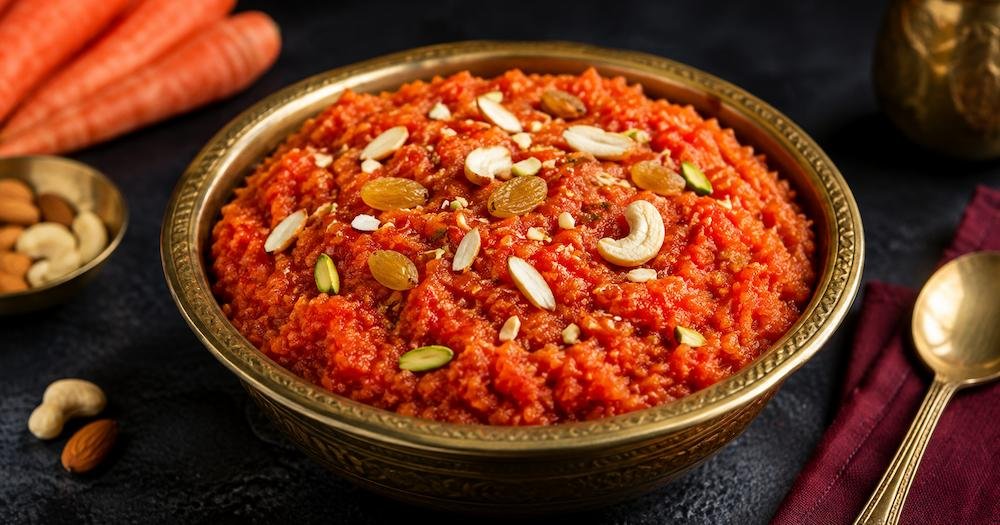
Carrots are known for beta-carotene, which the body can convert into vitamin A. They also provide dietary fibre and smaller amounts of vitamin K, potassium and other nutrients. Grated carrot is popular in salads and Indian dishes such as gajar halwa, while sliced or diced carrot adds colour and texture to pulao, soups and mixed vegetables. Choose firm roots with smooth skin and a fresh appearance. Remove the leafy tops before refrigerating, wash well before use, and store carrots in a cool place to help retain their crispness and quality.
About Carrot
Carrot, known as gajar in India, is a crunchy root vegetable valued for its naturally sweet flavour, colour and versatility in everyday cooking. The most familiar variety is orange, but carrots can also be purple, yellow, red and white. They are eaten raw or cooked and are used in salads, soups, curries, stir-fries, pickles, juices and desserts.
Carrots are known for beta-carotene, which the body can convert into vitamin A. They also provide dietary fibre and smaller amounts of vitamin K, potassium and other nutrients. Grated carrot is popular in salads and Indian dishes such as gajar halwa, while sliced or diced carrot adds colour and texture to pulao, soups and mixed vegetables. Choose firm roots with smooth skin and a fresh appearance. Remove the leafy tops before refrigerating, wash well before use, and store carrots in a cool place to help retain their crispness and quality.
How to Use Carrot
- Potatoes: For curries, soups, cutlets and mixed vegetable dishes.
- Peas: For gajar matar, pulao and vegetable curries.
- Onions: For stir-fries, soups, curries and rice dishes.
- Ginger and garlic: For savoury preparations and soups.
- Green chillies: For spicy carrot stir-fries and Indian vegetable dishes.
- Coriander leaves: For garnishing salads, curries and carrot-based snacks.
- Lemon: For fresh carrot salads and juices.
- Yoghurt: For carrot raita and creamy dips.
- Milk and ghee: For gajar halwa and other Indian desserts.
- Cumin and mustard seeds: For Indian-style carrot sabzi and pickles.
- Cabbage: For coleslaw, salads and stir-fries.
- Orange and apple: For juices, smoothies and fresh salads.
Storage Tips
- Remove the leafy green tops before storing, as they can draw moisture from the roots.
- Store unwashed carrots in a perforated bag or suitable container in the refrigerator's vegetable drawer.
- Keep carrots away from excess moisture to reduce spoilage.
- Wash under clean running water before eating or cooking.
- Keep cut or peeled carrots in a covered container in the refrigerator and use them promptly.
- Store cooked carrots in a covered container in the refrigerator and generally consume within 3–4 days.
- Freeze carrots for longer storage; blanching before freezing helps maintain quality.
- Keep carrots away from ethylene-producing fruits, such as apples, when practical, as exposure can contribute to bitter flavours.
Health Benefits
- Supports eye health: Beta-carotene can be converted into vitamin A, which supports normal vision.
- Provides antioxidants: Carrots contain carotenoids, including beta-carotene, that help protect cells from oxidative damage.
- Supports digestive health: Dietary fibre helps maintain normal bowel function.
- Supports immune function: Vitamin A is important for the normal functioning of the immune system.
- Contributes to skin health: Vitamin A supports normal skin maintenance.
- Supports a balanced diet: Carrots provide fibre and several nutrients while being relatively low in calories.
- Provides potassium: Contributes to normal muscle function and helps maintain healthy blood pressure as part of a balanced diet.
Medical Insights
- Carrots are a dietary source of beta-carotene, which the body converts into vitamin A as needed.
- Eating carrots supports normal vision but does not correct refractive errors or replace glasses.
- Cooking carrots can make some carotenoids more accessible for absorption, particularly when prepared with a little fat.
- Whole carrots generally provide more fibre than strained carrot juice.
- People taking prescribed medication or following a therapeutic diet should follow their healthcare professional's advice where relevant.
Side Effects
- Eating very large amounts of carrots regularly can cause carotenemia, a harmless yellow-orange tint to the skin.
- Some people may experience digestive discomfort when consuming large quantities of fibre-rich foods.
- Rarely, carrots can trigger allergic reactions, including oral allergy symptoms in sensitive individuals.
- Wash carrots thoroughly before eating, especially if consuming them raw.
- Discard carrots that are mouldy, slimy or badly deteriorated.
Allergen Alert
- Carrot allergy is uncommon but can occur.
- People with pollen allergies, particularly birch pollen allergy, may experience cross-reactive symptoms after eating raw carrots.
- Symptoms may include itching or tingling in the mouth, lips or throat.
- Cooking may reduce some cross-reactive allergen activity, but it does not make carrots safe for everyone with an allergy.
- Anyone experiencing breathing difficulty or swelling of the throat after eating carrots should seek emergency medical care.
Nutrition Information (per 100g)
| Nutrient | Amount (Per 100g) |
|---|---|
| Calories | 41 kcal |
| Carbohydrates | 9.58 g |
| Dietary Fiber | 2.8 g |
| Sugars | 4.74 g |
| Protein | 0.93 g |
| Total Fat | 0.24 g |
| Calcium | 33 mg |
| Iron | 0.30 mg |
| Magnesium | 12 mg |
| Phosphorus | 35 mg |
| Potassium | 320 mg |
| Sodium | 69 mg |
| Vitamin C | 5.9 mg |
| Vitamin A | 835 µg RAE |
| Vitamin K | 13.2 µg |
| Vitamin B6 | 0.138 mg |
| Folate | 19 µg |
| Beta-Carotene | 8,285 µg |
Fun Facts
Carrots belong to the Apiaceae family, which also includes celery, parsley, coriander and fennel. Although orange carrots are the most familiar today, carrots come in several colours, including purple, yellow, red and white. These varieties contain different combinations of natural pigments that influence their appearance.
Carrots were cultivated in Central Asia before spreading to other regions. Modern orange varieties became especially popular in Europe, while red carrots are widely used in parts of India, particularly in seasonal winter recipes. The green tops are also edible when fresh and can be used sparingly in certain sauces, pestos and stocks.
FAQ
What is a carrot?
A carrot is an edible root vegetable known for its crunchy texture, naturally sweet flavour and orange colour. It is widely used in salads, curries, soups, juices and desserts.
What is the scientific name of carrot?
The cultivated carrot is scientifically known as Daucus carota subsp. sativus and belongs to the Apiaceae family.
What are the health benefits of carrots?
Carrots provide beta-carotene, dietary fibre and several vitamins and minerals. Beta-carotene can be converted into vitamin A, which supports normal vision, immune function and skin health.
Are carrots good for eyesight?
Carrots provide beta-carotene, which the body converts into vitamin A. Vitamin A supports normal vision, but eating extra carrots does not correct refractive errors or guarantee improved eyesight.
Can carrots be eaten raw?
Yes. Carrots can be eaten raw after being washed thoroughly. They are commonly sliced, grated or cut into sticks for salads and snacks.
Can carrots be eaten every day?
Most people can enjoy carrots regularly as part of a balanced diet. They provide fibre and nutrients, although very large and frequent amounts may cause a harmless yellow-orange skin tint.
How should carrots be stored?
Remove the leafy tops and refrigerate carrots in a perforated bag or suitable container in the vegetable drawer. Keep them away from excess moisture to help preserve their quality.
How long do carrots last in the refrigerator?
Whole carrots can often last around two to four weeks in the refrigerator when stored properly. Freshness, temperature and storage conditions affect their shelf life.
Can carrots be frozen?
Yes. Wash, peel if desired, cut and blanch carrots briefly before cooling and freezing them in airtight freezer-safe packaging. Blanching helps preserve their quality.
Are carrots high in sugar?
Carrots contain naturally occurring sugars, but they also provide dietary fibre and nutrients. Whole carrots can fit into a balanced diet for most people.
What is the difference between red and orange carrots?
Orange carrots are rich in beta-carotene, while red carrots contain pigments such as lycopene in varying amounts. Their colour, flavour and nutrient composition depend on the variety.
Can carrots cause allergies?
Yes. Although uncommon, carrot allergy can occur. People with certain pollen allergies may experience itching or tingling in the mouth after eating raw carrots.
What foods pair well with carrots?
Carrots pair well with potatoes, peas, onions, ginger, garlic, cumin, coriander, lemon, yoghurt, cabbage, apples and oranges. They are used in both savoury dishes and desserts.
Is carrot available throughout the year?
Carrots are widely available throughout the year in many markets, although particular varieties and local supplies may be more abundant during cooler months.
Why do carrots turn sweet when cooked?
Cooking softens carrot tissues and changes the way their natural sweetness is perceived. Roasting can concentrate flavour as moisture evaporates, making carrots taste sweeter.