Bay Leaf
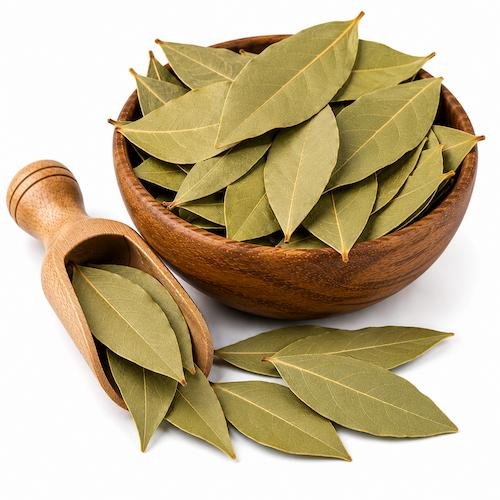
Bay Leaf is the dried leaf of the Laurus nobilis tree, an evergreen native to the Mediterranean region. It is valued for its subtle herbal aroma and slightly floral, peppery flavor that develops gradually during cooking. Unlike many spices, Bay Leaves are usually infused into food and removed before serving, as their tough texture makes them unsuitable for eating whole.
Used in cuisines around the world, Bay Leaf enhances soups, curries, stews, rice dishes, sauces, marinades, and slow-cooked recipes. It blends well with other herbs and spices without overpowering the dish, adding depth and complexity to the overall flavor. Besides its culinary appeal, Bay Leaf contains dietary fiber, vitamin A, vitamin C, iron, calcium, manganese, and natural antioxidant compounds. Its delicate fragrance and versatility have made it a timeless ingredient in both traditional and modern cooking.
About Bay Leaf
Bay Leaf is the dried leaf of the Laurus nobilis tree, an evergreen native to the Mediterranean region. It is valued for its subtle herbal aroma and slightly floral, peppery flavor that develops gradually during cooking. Unlike many spices, Bay Leaves are usually infused into food and removed before serving, as their tough texture makes them unsuitable for eating whole.
Used in cuisines around the world, Bay Leaf enhances soups, curries, stews, rice dishes, sauces, marinades, and slow-cooked recipes. It blends well with other herbs and spices without overpowering the dish, adding depth and complexity to the overall flavor. Besides its culinary appeal, Bay Leaf contains dietary fiber, vitamin A, vitamin C, iron, calcium, manganese, and natural antioxidant compounds. Its delicate fragrance and versatility have made it a timeless ingredient in both traditional and modern cooking.
How to Use Bay Leaf
- Flavor soups.
- Prepare curries.
- Add to rice dishes.
- Cook stews.
- Season sauces.
- Infuse broths.
- Add to marinades.
- Use in spice blends.
- Flavor slow-cooked meats.
- Pair with cinnamon, cloves, black pepper, cumin, garlic, onion, thyme, rosemary, and cardamom.
Storage Tips
- Store in an airtight container.
- Keep in a cool, dry place.
- Protect from direct sunlight.
- Keep away from moisture.
- Avoid crushing until needed.
- Use clean, dry utensils.
- Replace old leaves when their aroma fades.
Health Benefits
- Rich in natural antioxidants.
- Contains dietary fiber.
- Provides vitamin A for eye health.
- Contains vitamin C for immune support.
- Good source of manganese.
- Provides calcium for bone health.
- Contains iron for healthy blood formation.
- Supports healthy digestion.
- Naturally low in sodium.
- Contributes to overall wellness.
Medical Insights
- Traditionally used to support digestion.
- Antioxidants help reduce oxidative stress.
- Vitamin A supports healthy vision.
- Vitamin C contributes to immune function.
- Iron supports healthy red blood cell production.
- Manganese supports normal metabolism.
- May support balanced nutrition.
- Can be included in healthy daily diets.
Side Effects
- Whole Bay Leaves should be removed before serving.
- The stiff leaf may pose a choking hazard if swallowed.
- Excess consumption may cause digestive discomfort.
- Rare allergic reactions may occur.
- Use only culinary Bay Leaves for cooking.
- Consume in moderation.
Allergen Alert
- Bay Leaf allergy is uncommon but possible.
- Sensitive individuals may experience mild allergic reactions.
- Packaged spices may contain traces of other allergens.
- Cross-contamination may occur during processing.
- Always check packaged ingredient labels.
Nutrition Information (per 100g)
| Nutrient | Amount (Per 100g) |
|---|---|
| Calories | 313 kcal |
| Carbohydrates | 75.0 g |
| Dietary Fiber | 26.3 g |
| Protein | 7.6 g |
| Fat | 8.4 g |
| Calcium | 834 mg |
| Iron | 43 mg |
| Manganese | 8.2 mg |
| Vitamin A | 309 µg |
Fun Facts
Unlike many herbs that are eaten along with a meal, Bay Leaves are usually added during cooking and removed before serving because their tough texture does not soften easily. As they simmer, the leaves slowly release delicate aromatic oils that enrich the flavor of the entire dish.
Bay Laurel has symbolized honor and victory since ancient Greek and Roman times, when laurel wreaths were placed on scholars, athletes, and leaders. Today, Bay Leaves remain an essential ingredient in cuisines around the world, valued for the subtle depth they bring to slow-cooked recipes.
FAQ
What is a Bay Leaf?
Bay Leaf is the dried leaf of the bay laurel tree, used to flavor soups, curries, stews, and rice dishes.
Can Bay Leaves be eaten?
They are edible but very tough, so they are normally removed before serving.
Why are Bay Leaves added whole?
Whole leaves slowly release their aroma during cooking and are easy to remove afterward.
Can Bay Leaves be used in curries?
Yes. They are widely used in curries, biryanis, pulao, soups, and slow-cooked dishes.
How should Bay Leaves be stored?
Keep them in an airtight container in a cool, dry place away from moisture and sunlight.
Do fresh and dried Bay Leaves taste the same?
Fresh leaves have a milder flavor, while dried Bay Leaves provide a more concentrated aroma.
What spices pair well with Bay Leaves?
They pair well with cinnamon, cloves, cardamom, cumin, black pepper, garlic, thyme, and rosemary.
How long should Bay Leaves cook?
They are usually simmered throughout the cooking process and removed before the dish is served.