Turmeric
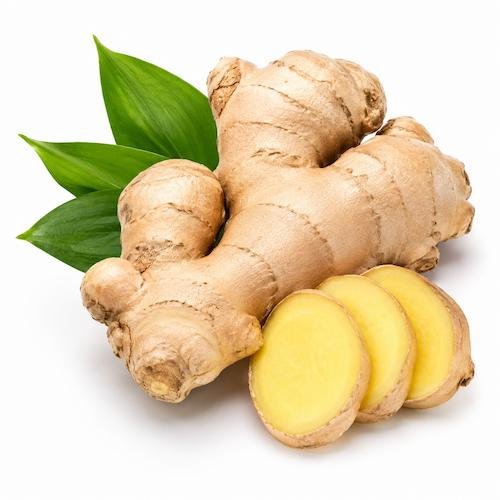
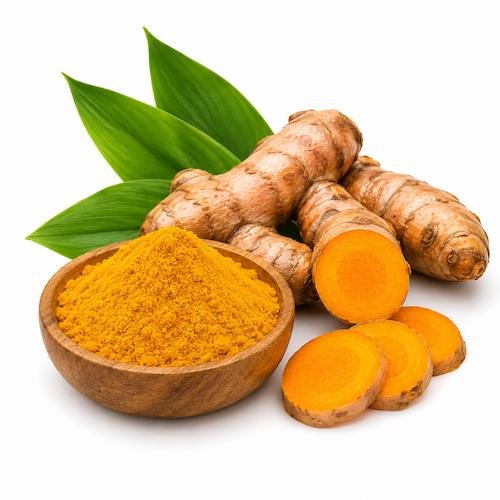
Turmeric (Curcuma longa) is a bright golden-yellow rhizome belonging to the ginger family and has been treasured for centuries as both a culinary spice and a traditional ingredient. It has a warm, earthy flavor with subtle peppery and slightly bitter notes that enrich a wide variety of dishes. Fresh turmeric has a firm texture and vibrant orange flesh, while the dried form is commonly ground into the familiar yellow powder used worldwide.
Besides adding natural color and flavor, turmeric is valued for its nutritional content and antioxidant compounds, particularly curcumin. It is widely used in curries, rice dishes, soups, pickles, spice blends, beverages, sauces, and marinades. Rich in dietary fiber, potassium, iron, manganese, vitamin C, and beneficial plant compounds, turmeric remains an essential ingredient in kitchens across Asia and many other parts of the world.
About Turmeric
Turmeric (Curcuma longa) is a bright golden-yellow rhizome belonging to the ginger family and has been treasured for centuries as both a culinary spice and a traditional ingredient. It has a warm, earthy flavor with subtle peppery and slightly bitter notes that enrich a wide variety of dishes. Fresh turmeric has a firm texture and vibrant orange flesh, while the dried form is commonly ground into the familiar yellow powder used worldwide.
Besides adding natural color and flavor, turmeric is valued for its nutritional content and antioxidant compounds, particularly curcumin. It is widely used in curries, rice dishes, soups, pickles, spice blends, beverages, sauces, and marinades. Rich in dietary fiber, potassium, iron, manganese, vitamin C, and beneficial plant compounds, turmeric remains an essential ingredient in kitchens across Asia and many other parts of the world.
How to Use Turmeric
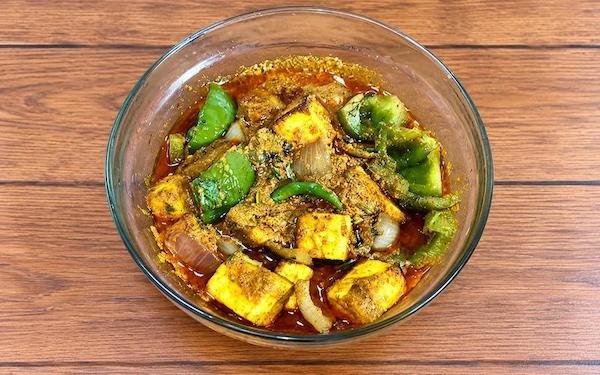
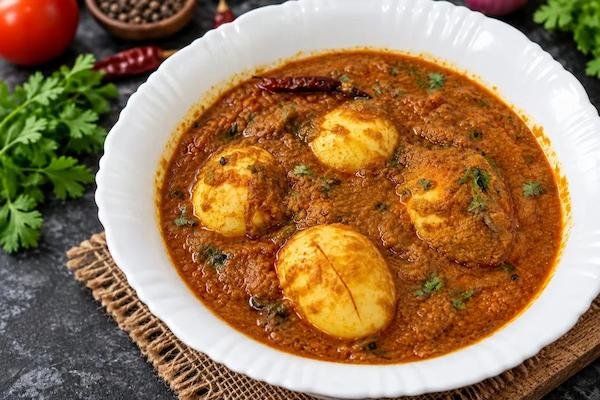
- Add to curries.
- Mix into rice dishes.
- Prepare spice blends.
- Flavor soups.
- Make pickles.
- Blend into smoothies.
- Prepare turmeric milk.
- Use in marinades.
- Add to roasted vegetables.
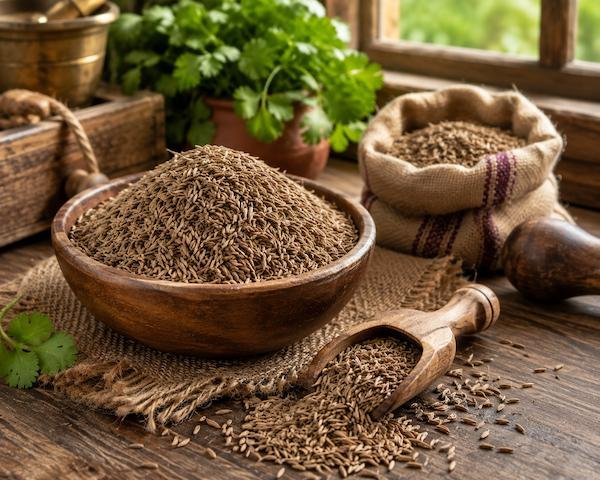
- Pair with black pepper, ginger, garlic, cumin, coriander, coconut milk, lemon, and mustard seeds.
Storage Tips
- Store fresh turmeric in the refrigerator.
- Keep in a paper bag or breathable container.
- Freeze for longer storage.
- Store turmeric powder in an airtight container.
- Protect from moisture.
- Keep away from direct sunlight.
- Use a dry spoon for powdered turmeric.
Health Benefits
- Rich in natural antioxidants.
- Contains curcumin, a beneficial plant compound.
- Supports healthy digestion.
- Provides vitamin C for immune support.
- Contains potassium for normal muscle function.
- Rich in manganese.
- Naturally low in calories.
- Supports healthy skin.
- Adds natural color without artificial additives.
- Contributes to overall wellness.
Medical Insights
- Curcumin may support healthy inflammatory responses.
- May help reduce oxidative stress.
- Supports healthy digestion.
- Vitamin C helps strengthen immunity.
- Potassium supports normal muscle function.
- May contribute to healthy skin.
- Supports overall nutritional balance.
- Can be included in balanced daily diets.
Side Effects
- Excess consumption may cause stomach discomfort.
- Large amounts may aggravate acid reflux.
- May interact with certain medications.
- Can stain clothing and kitchen surfaces.
- Rare allergic reactions may occur.
- Consume in moderation.
Allergen Alert
- Turmeric allergy is uncommon but possible.
- Sensitive individuals may experience skin irritation.
- Packaged products may contain additives.
- Cross-contamination may occur during processing.
- Always check packaged ingredient labels.
Nutrition Information (per 100g)
| Nutrient | Amount (Per 100g, Fresh) |
|---|---|
| Calories | 81 kcal |
| Carbohydrates | 17.6 g |
| Dietary Fiber | 6.0 g |
| Protein | 2.0 g |
| Fat | 0.9 g |
| Vitamin C | 25.9 mg |
| Potassium | 252 mg |
| Iron | 1.8 mg |
| Manganese | 1.1 mg |
Fun Facts
Turmeric has been cultivated in Asia for thousands of years and is often called the "Golden Spice" because of its brilliant yellow color. The natural pigment curcumin gives turmeric its distinctive appearance and is also used as a natural food coloring in many products.
Fresh turmeric belongs to the same botanical family as ginger, and both grow from underground rhizomes. Besides cooking, turmeric has long been used to naturally color fabrics, ceremonial items, and traditional foods, making it one of the most versatile spices in the world.
FAQ
What is turmeric?
Turmeric is the edible rhizome of the Curcuma longa plant, widely used as a spice and natural coloring agent.
Is fresh turmeric better than turmeric powder?
Both have culinary uses. Fresh turmeric has a milder flavor, while the powdered form is more concentrated.
What gives turmeric its yellow color?
Its bright yellow color comes from a natural compound called curcumin.
Can turmeric be eaten raw?
Yes. Fresh turmeric can be grated into salads, juices, and smoothies.
How should turmeric be stored?
Fresh turmeric should be refrigerated, while turmeric powder should be kept in an airtight container.
What foods pair well with turmeric?
It pairs well with ginger, garlic, black pepper, coconut milk, rice, lentils, and vegetables.
Can turmeric stain hands?
Yes. Its natural pigments can temporarily stain skin, utensils, and fabrics.
Is turmeric available year-round?
Yes. Fresh turmeric is seasonal, while turmeric powder is available throughout the year.