Fenugreek Seeds
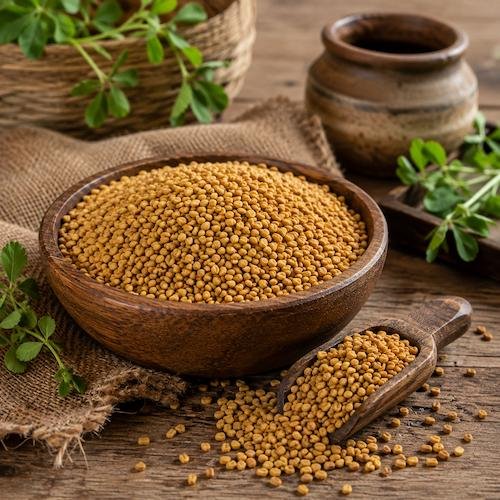
Fenugreek Seeds are the small, golden-brown seeds of the Trigonella foenum-graecum plant, a member of the legume family. They have a firm texture and a distinctive bittersweet flavor with nutty, maple-like notes that become milder after roasting or cooking. Their unique taste makes them an important spice in many traditional recipes.
Used whole, sprouted, soaked, or ground into powder, Fenugreek Seeds are popular in Indian, Middle Eastern, North African, and Mediterranean cuisines. They are commonly added to curries, pickles, spice blends, lentil dishes, vegetable preparations, and breads. Besides their culinary value, the seeds are rich in dietary fiber, plant-based protein, iron, magnesium, manganese, and beneficial plant compounds, making them a nutritious addition to balanced meals.
Freshly roasted Fenugreek Seeds release a pleasant aroma that enhances both spice mixes and cooked dishes. Their distinctive flavor has earned them a lasting place in kitchens around the world.
About Fenugreek Seeds
Fenugreek Seeds are the small, golden-brown seeds of the Trigonella foenum-graecum plant, a member of the legume family. They have a firm texture and a distinctive bittersweet flavor with nutty, maple-like notes that become milder after roasting or cooking. Their unique taste makes them an important spice in many traditional recipes.
Used whole, sprouted, soaked, or ground into powder, Fenugreek Seeds are popular in Indian, Middle Eastern, North African, and Mediterranean cuisines. They are commonly added to curries, pickles, spice blends, lentil dishes, vegetable preparations, and breads. Besides their culinary value, the seeds are rich in dietary fiber, plant-based protein, iron, magnesium, manganese, and beneficial plant compounds, making them a nutritious addition to balanced meals.
Freshly roasted Fenugreek Seeds release a pleasant aroma that enhances both spice mixes and cooked dishes. Their distinctive flavor has earned them a lasting place in kitchens around the world.
How to Use Fenugreek Seeds
- Add to curries.
- Prepare pickles.
- Roast for spice blends.
- Flavor lentil dishes.
- Add to vegetable curries.
- Grind into spice powder.
- Use in breads.
- Sprout for salads.
- Add to tempering.
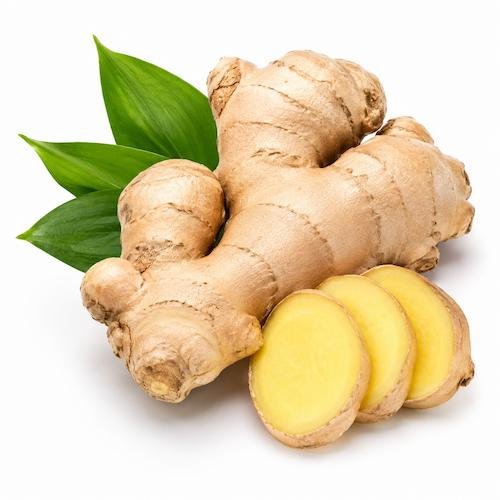
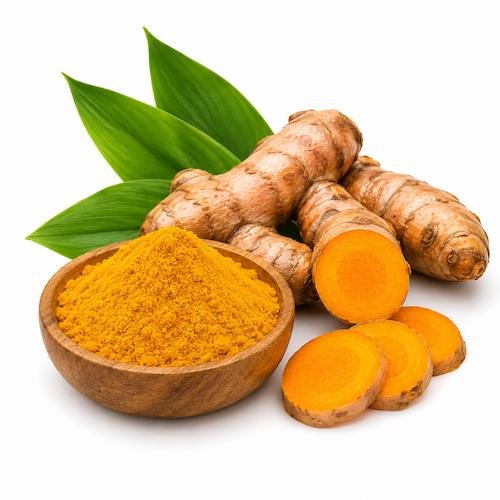
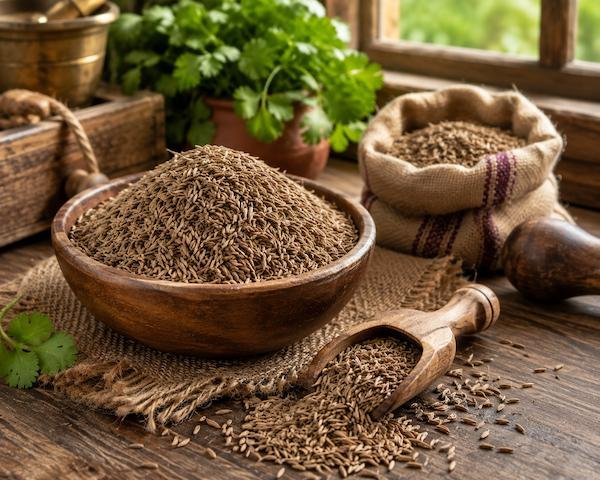
- Pair with cumin, coriander, mustard seeds, turmeric, garlic, ginger, chili, and curry leaves.
Storage Tips
- Store in an airtight container.
- Keep in a cool, dry place.
- Protect from moisture.
- Keep away from direct sunlight.
- Roast before grinding if desired.
- Use a clean, dry spoon.
- Grind only as needed.
Health Benefits
- Rich in dietary fiber.
- Good source of plant-based protein.
- Contains iron for healthy blood formation.
- Provides magnesium for muscle function.
- Rich in manganese.
- Contains natural antioxidants.
- Supports healthy digestion.
- Naturally cholesterol-free.
- Adds valuable minerals to meals.
- Contributes to overall wellness.
Medical Insights
- Traditionally used to support healthy digestion.
- Fiber promotes digestive regularity.
- Iron contributes to healthy red blood cell production.
- Magnesium supports nerve and muscle function.
- Antioxidants help reduce oxidative stress.
- May support balanced nutrition.
- Provides beneficial plant compounds.
- Can be included in healthy daily diets.
Side Effects
- Excess intake may cause digestive discomfort.
- Large amounts may lead to bloating.
- Some individuals may experience allergic reactions.
- May interact with certain medications.
- Has a naturally bitter taste.
- Consume in moderation.
Allergen Alert
- Fenugreek allergy is uncommon but possible.
- Individuals allergic to legumes should exercise caution.
- Cross-contamination may occur during processing.
- Packaged products may contain traces of other allergens.
- Always check ingredient labels.
Nutrition Information (per 100g)
| Nutrient | Amount (Per 100g) |
|---|---|
| Calories | 323 kcal |
| Carbohydrates | 58.4 g |
| Dietary Fiber | 24.6 g |
| Protein | 23.0 g |
| Fat | 6.4 g |
| Iron | 33.5 mg |
| Magnesium | 191 mg |
| Calcium | 176 mg |
| Manganese | 1.2 mg |
Fun Facts
Fenugreek Seeds have been cultivated for thousands of years and were valued in ancient Egypt, Greece, and India for both culinary and traditional purposes. Although the raw seeds taste noticeably bitter, roasting softens their flavor and brings out their characteristic nutty, maple-like aroma.
Interestingly, fenugreek is one of the few spices used in multiple forms—its seeds, fresh leaves, dried leaves (Kasuri Methi), and sprouts are all enjoyed in different cuisines. This remarkable versatility has made it an enduring favorite in kitchens across the world.
FAQ
What are Fenugreek Seeds?
Fenugreek Seeds are the edible seeds of the fenugreek plant, widely used as a spice in many cuisines.
Why are Fenugreek Seeds bitter?
They naturally contain compounds that give them a characteristic bittersweet flavor, which becomes milder after cooking.
Should Fenugreek Seeds be roasted?
Light roasting enhances their aroma and reduces bitterness before use.
Can Fenugreek Seeds be sprouted?
Yes. They can be soaked and sprouted for use in salads and other dishes.
How should Fenugreek Seeds be stored?
Store them in an airtight container in a cool, dry place away from moisture.
Are Fenugreek Seeds nutritious?
Yes. They contain dietary fiber, protein, iron, magnesium, calcium, and antioxidant compounds.
What spices pair well with Fenugreek Seeds?
They pair well with cumin, coriander, mustard seeds, turmeric, garlic, ginger, and curry leaves.
Are Fenugreek Seeds and Kasuri Methi the same?
No. Fenugreek Seeds are the dried seeds, while Kasuri Methi is made from dried fenugreek leaves.