Mustard Seeds
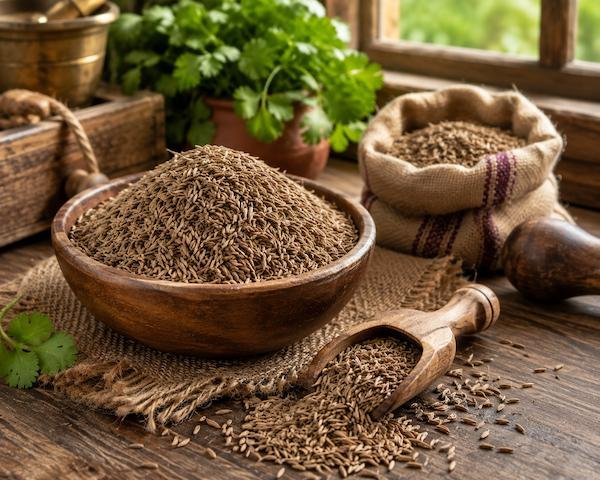
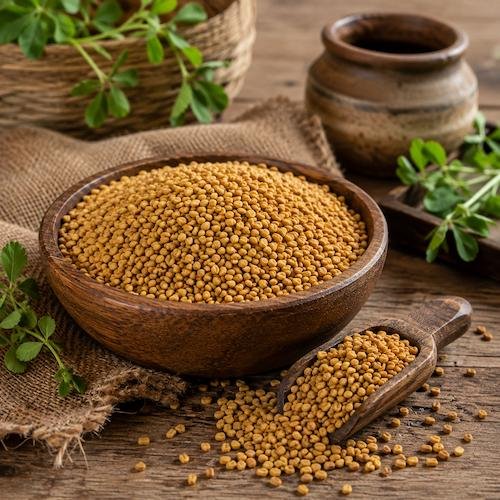
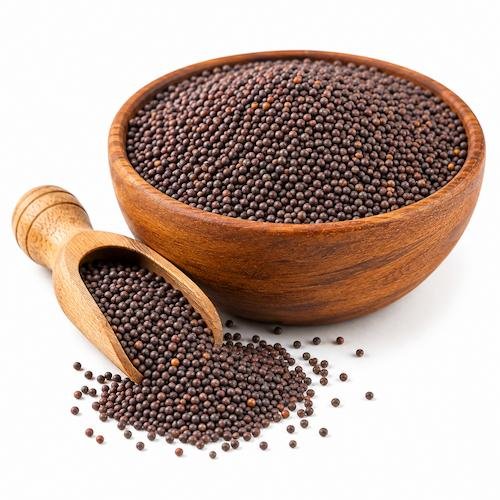
Mustard Seeds are the small edible seeds of mustard plants belonging to the Brassica and Sinapis genera. Available in black, brown, and yellow varieties, they are valued for their sharp, peppery flavor that becomes more aromatic and slightly nutty when heated or crushed. Whole seeds are commonly tempered in hot oil, releasing their distinctive aroma and adding depth to savory dishes.
A staple spice in Indian, Bangladeshi, Nepali, and many European cuisines, Mustard Seeds are widely used in curries, pickles, lentils, vegetable dishes, spice blends, and sauces. They are naturally rich in dietary fiber, selenium, calcium, magnesium, iron, and beneficial plant compounds. Their bold flavor and versatility have made Mustard Seeds an essential ingredient in traditional cooking and food preservation around the world.
About Mustard Seeds
Mustard Seeds are the small edible seeds of mustard plants belonging to the Brassica and Sinapis genera. Available in black, brown, and yellow varieties, they are valued for their sharp, peppery flavor that becomes more aromatic and slightly nutty when heated or crushed. Whole seeds are commonly tempered in hot oil, releasing their distinctive aroma and adding depth to savory dishes.
A staple spice in Indian, Bangladeshi, Nepali, and many European cuisines, Mustard Seeds are widely used in curries, pickles, lentils, vegetable dishes, spice blends, and sauces. They are naturally rich in dietary fiber, selenium, calcium, magnesium, iron, and beneficial plant compounds. Their bold flavor and versatility have made Mustard Seeds an essential ingredient in traditional cooking and food preservation around the world.
How to Use Mustard Seeds
- Temper curries.
- Prepare pickles.
- Make mustard paste.
- Add to spice blends.
- Flavor sauces.
- Season roasted vegetables.
- Mix into marinades.
- Use in salad dressings.
- Add to lentil dishes.
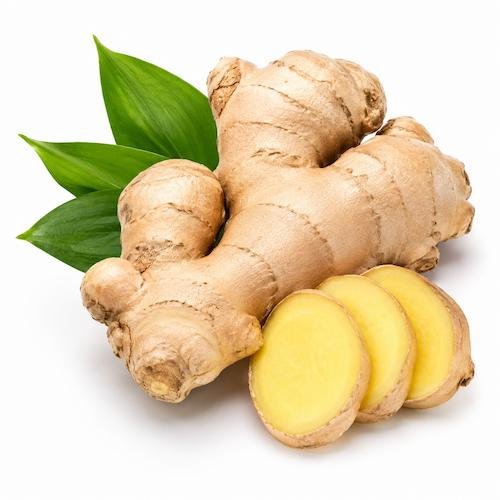
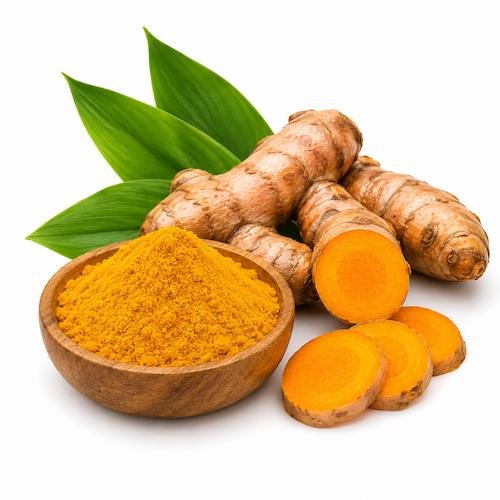
- Pair with curry leaves, green chilies, turmeric, cumin, garlic, ginger, vinegar, and mustard oil.
Storage Tips
- Store in an airtight container.
- Keep in a cool, dry place.
- Protect from moisture.
- Keep away from direct sunlight.
- Grind only as needed.
- Use a clean, dry spoon.
- Seal the container tightly after use.
Health Benefits
- Rich in natural antioxidants.
- Good source of plant-based protein.
- Contains dietary fiber for digestive health.
- Provides calcium for strong bones.
- Rich in iron for healthy blood formation.
- Contains magnesium for muscle function.
- Supplies selenium for normal body functions.
- Contains healthy fats.
- Adds flavor without artificial ingredients.
- Supports overall wellness.
Medical Insights
- Traditionally used to support healthy digestion.
- Antioxidants help reduce oxidative stress.
- Calcium contributes to bone health.
- Iron supports healthy red blood cell production.
- Magnesium supports normal muscle function.
- Selenium contributes to normal immune function.
- May support balanced nutrition.
- Can be included in healthy daily diets.
Side Effects
- Excess consumption may cause stomach irritation.
- Large amounts may trigger digestive discomfort.
- Some individuals may be allergic to mustard.
- Ground mustard can be quite pungent.
- Store properly to preserve freshness.
- Consume in moderation.
Allergen Alert
- Mustard is a recognized food allergen in many countries.
- Allergic reactions may range from mild to severe.
- Packaged foods may contain hidden mustard ingredients.
- Cross-contamination may occur during processing.
- Always read ingredient labels carefully.
Nutrition Information (per 100g)
| Nutrient | Amount (Per 100g) |
|---|---|
| Calories | 508 kcal |
| Carbohydrates | 28.1 g |
| Dietary Fiber | 12.2 g |
| Protein | 26.1 g |
| Fat | 36.2 g |
| Calcium | 266 mg |
| Iron | 9.2 mg |
| Magnesium | 370 mg |
| Selenium | 208 µg |
Fun Facts
Mustard Seeds have been cultivated for thousands of years and were among the earliest spices traded between ancient civilizations. Although the seeds are tiny, they develop a sharp, pungent flavor only after being crushed and mixed with liquid, while whole seeds remain comparatively mild.
Black, brown, and yellow mustard seeds each have unique culinary uses, with black and brown varieties commonly preferred for tempering in Indian cuisine. Their characteristic popping sound in hot oil signals the release of aromatic compounds that enhance the flavor of countless traditional dishes.
FAQ
What are Mustard Seeds?
Mustard Seeds are the edible seeds of mustard plants, widely used as a spice and seasoning.
Why do mustard seeds pop in hot oil?
Heat causes moisture inside the seeds to expand, making them crack and release their aroma.
What is the difference between black, brown, and yellow mustard seeds?
They differ in color, pungency, and culinary use, with black and brown varieties generally having a stronger flavor.
Can mustard seeds be eaten whole?
Yes. They are commonly tempered in oil or added whole to pickles and spice blends.
How should Mustard Seeds be stored?
Store them in an airtight container in a cool, dry place away from moisture and sunlight.
Are Mustard Seeds nutritious?
Yes. They contain protein, fiber, healthy fats, calcium, iron, magnesium, and selenium.
Can mustard seeds be ground?
Yes. Ground mustard is commonly used to prepare mustard paste, sauces, and seasonings.
Which foods pair well with Mustard Seeds?
They pair well with curry leaves, turmeric, cumin, garlic, ginger, vinegar, vegetables, and lentils.