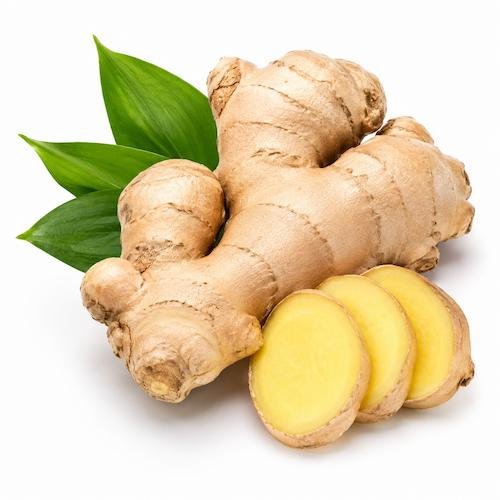
Ginger
Ginger (Zingiber officinale) is a flowering plant whose underground stem, known as a rhizome, is widely used as both a spice and a culinary ingredient. It has a firm, fibrous texture with a warm, spicy flavor and a distinctive aroma that becomes more intense when crushed or cooked. Fresh ginger is valued for its ability to add depth and freshness to both savory and sweet recipes.
Cultivated in tropical and subtropical regions, ginger is an essential ingredient in many Asian, African, Middle Eastern, and Western cuisines. It is commonly used fresh, dried, powdered, pickled, or candied in curries, soups, teas, stir-fries, baked goods, beverages, and marinades. Rich in antioxidants, vitamin C, potassium, magnesium, and natural compounds such as gingerol, ginger offers both nutritional value and remarkable versatility, making it a staple ingredient in kitchens around the world.
About Ginger
Ginger (Zingiber officinale) is a flowering plant whose underground stem, known as a rhizome, is widely used as both a spice and a culinary ingredient. It has a firm, fibrous texture with a warm, spicy flavor and a distinctive aroma that becomes more intense when crushed or cooked. Fresh ginger is valued for its ability to add depth and freshness to both savory and sweet recipes.
Cultivated in tropical and subtropical regions, ginger is an essential ingredient in many Asian, African, Middle Eastern, and Western cuisines. It is commonly used fresh, dried, powdered, pickled, or candied in curries, soups, teas, stir-fries, baked goods, beverages, and marinades. Rich in antioxidants, vitamin C, potassium, magnesium, and natural compounds such as gingerol, ginger offers both nutritional value and remarkable versatility, making it a staple ingredient in kitchens around the world.
How to Use Ginger
- Add to curries.
- Prepare ginger tea.
- Flavor soups.
- Blend into smoothies.
- Use in stir-fries.
- Marinate meat and seafood.
- Bake into cookies and cakes.
- Prepare pickles.
- Add to sauces.
- Pair with garlic, turmeric, lemon, honey, green chili, soy sauce, cinnamon, and cardamom.
Storage Tips
- Store unpeeled ginger in the refrigerator.
- Keep in a paper bag or breathable container.
- Freeze for long-term storage.
- Peel only before use.
- Keep away from excess moisture.
- Store dried ginger in an airtight container.
- Protect from direct sunlight.
Health Benefits
- Rich in natural antioxidants.
- Contains gingerol, a beneficial plant compound.
- Supports healthy digestion.
- Provides vitamin C for immune support.
- Contains potassium for normal muscle function.
- Naturally low in calories.
- May support healthy inflammatory responses.
- Helps maintain overall wellness.
- Adds flavor without excess calories.
- Supports a balanced diet.
Medical Insights
- Traditionally used to help relieve nausea.
- May support healthy digestion.
- Gingerol may help reduce oxidative stress.
- May support healthy inflammatory responses.
- Vitamin C supports immune function.
- Potassium contributes to normal muscle function.
- May help soothe mild throat discomfort.
- Can be included in balanced daily diets.
Side Effects
- Excess consumption may cause heartburn.
- Large amounts may lead to stomach irritation.
- May interact with certain medications.
- Can cause mild mouth irritation in sensitive individuals.
- Allergic reactions are rare but possible.
- Consume in moderation.
Allergen Alert
- Ginger allergy is uncommon but possible.
- Sensitive individuals may experience skin or mouth irritation.
- Processed products may contain preservatives.
- Cross-contamination may occur during packaging.
- Check labels on packaged ginger products.
Nutrition Information (per 100g)
| Nutrient | Amount (Per 100g) |
|---|---|
| Calories | 80 kcal |
| Carbohydrates | 17.8 g |
| Dietary Fiber | 2.0 g |
| Protein | 1.8 g |
| Fat | 0.8 g |
| Vitamin C | 5 mg |
| Potassium | 415 mg |
| Magnesium | 43 mg |
| Iron | 0.6 mg |
Fun Facts
Fresh ginger has been cultivated for more than 3,000 years and is one of the oldest spices used by humans. Unlike many spices that come from seeds or bark, ginger is actually an underground stem called a rhizome. It has traveled across continents through ancient trade routes and today plays an important role in cuisines ranging from Indian curries to Japanese pickles and European baked goods. Its unmistakable aroma and warming flavor have made it one of the world's most widely used spices.
FAQ
What is ginger?
Ginger is the edible underground stem, or rhizome, of the ginger plant, widely used as a spice and flavoring ingredient.
Can ginger be eaten raw?
Yes. Fresh ginger can be eaten raw or added to salads, juices, teas, and many cooked dishes.
Is ginger healthy?
Yes. It contains gingerol, antioxidants, vitamin C, potassium, and other beneficial nutrients.
What is ginger commonly used for?
It is used in curries, soups, teas, baked goods, stir-fries, marinades, sauces, and beverages.
Can ginger be frozen?
Yes. Whole or sliced ginger freezes well and can be grated directly while frozen.
How should fresh ginger be stored?
Store it in the refrigerator or freezer to maintain freshness for a longer period.
Is dried ginger the same as fresh ginger?
Both come from the same plant, but dried ginger has a stronger, more concentrated flavor.
What foods pair well with ginger?
Ginger pairs well with garlic, lemon, honey, turmeric, soy sauce, cinnamon, vegetables, meat, and seafood.