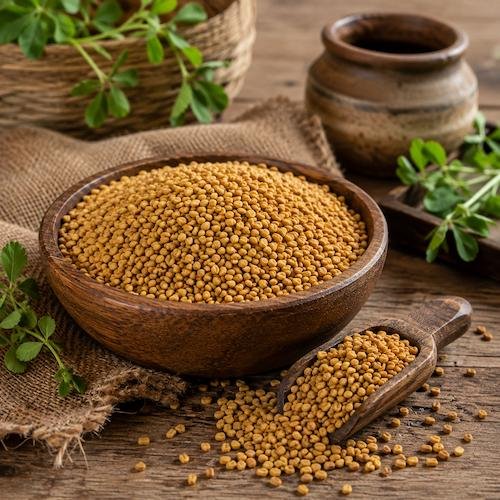
Coriander Seeds
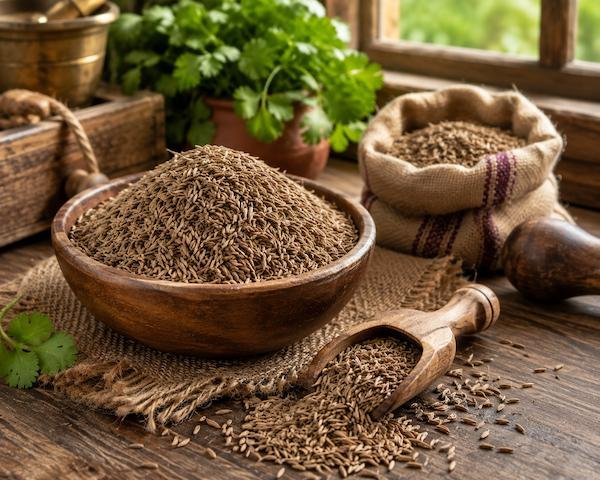
Coriander Seeds are the dried fruits of the Coriandrum sativum plant, which produces fresh coriander leaves. Small, round, and light brown in color, the seeds have a warm, citrusy aroma with subtle sweet and nutty notes. Their gentle flavor makes them a versatile spice that complements a wide variety of ingredients without overpowering other seasonings.
Whole or ground Coriander Seeds are widely used in Indian, Middle Eastern, Latin American, and Asian cuisines. They are commonly added to curries, soups, spice blends, pickles, marinades, breads, and roasted vegetable dishes. Besides their pleasant flavor, the seeds provide dietary fiber, calcium, iron, magnesium, manganese, and natural antioxidant compounds, making them a valuable ingredient for both culinary and nutritional purposes.
Roasted Coriander Seeds develop an even richer aroma, which is why many cooks lightly toast them before grinding. Their balanced flavor has made them an essential spice in kitchens around the world.
About Coriander Seeds
Coriander Seeds are the dried fruits of the Coriandrum sativum plant, which produces fresh coriander leaves. Small, round, and light brown in color, the seeds have a warm, citrusy aroma with subtle sweet and nutty notes. Their gentle flavor makes them a versatile spice that complements a wide variety of ingredients without overpowering other seasonings.
Whole or ground Coriander Seeds are widely used in Indian, Middle Eastern, Latin American, and Asian cuisines. They are commonly added to curries, soups, spice blends, pickles, marinades, breads, and roasted vegetable dishes. Besides their pleasant flavor, the seeds provide dietary fiber, calcium, iron, magnesium, manganese, and natural antioxidant compounds, making them a valuable ingredient for both culinary and nutritional purposes.
Roasted Coriander Seeds develop an even richer aroma, which is why many cooks lightly toast them before grinding. Their balanced flavor has made them an essential spice in kitchens around the world.
How to Use Coriander Seeds
- Prepare spice blends.
- Season curries.
- Flavor soups.
- Add to pickles.
- Use in marinades.
- Roast before grinding.
- Season roasted vegetables.
- Add to breads.
- Mix into chutneys.
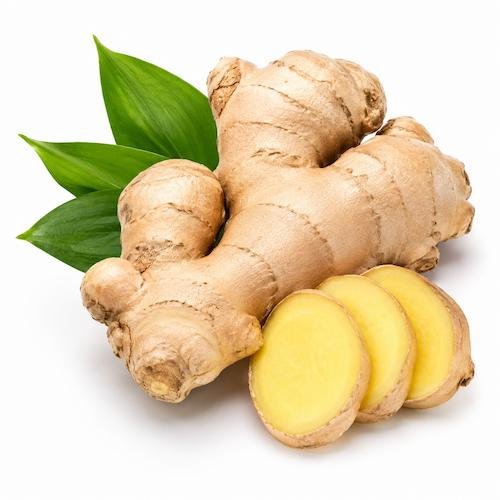
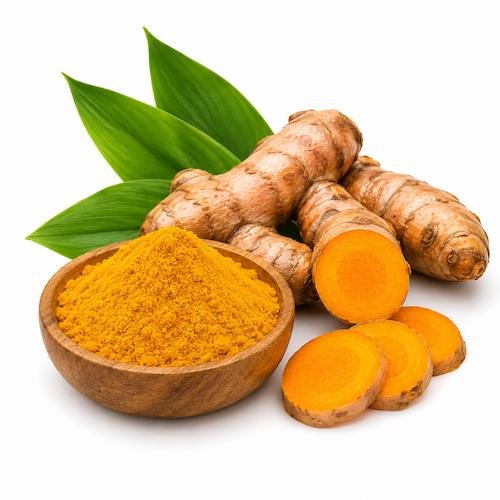
- Pair with cumin, turmeric, fennel, black pepper, garlic, ginger, chili, and cinnamon.
Storage Tips
- Store in an airtight container.
- Keep in a cool, dry place.
- Protect from direct sunlight.
- Keep away from moisture.
- Roast only before use.
- Grind in small batches.
- Use a dry spoon for handling.
Health Benefits
- Rich in natural antioxidants.
- Contains dietary fiber for digestive health.
- Good source of calcium.
- Provides iron for healthy blood formation.
- Contains magnesium for muscle function.
- Rich in manganese for normal metabolism.
- Naturally low in sodium.
- Supports healthy digestion.
- Adds flavor without excess calories.
- Contributes to overall wellness.
Medical Insights
- Traditionally used to support digestion.
- Antioxidants help reduce oxidative stress.
- Fiber promotes digestive regularity.
- Iron contributes to healthy red blood cell production.
- Calcium supports bone health.
- Magnesium supports nerve and muscle function.
- May support balanced nutrition.
- Can be included in healthy daily diets.
Side Effects
- Excess consumption may cause digestive discomfort.
- Rare allergic reactions may occur.
- Large amounts may irritate sensitive individuals.
- Ground coriander loses flavor if stored improperly.
- Consume in moderation.
- Use fresh for the best aroma.
Allergen Alert
- Coriander allergy is uncommon but possible.
- Sensitive individuals may experience allergic reactions.
- Packaged spices may contain traces of other allergens.
- Cross-contamination may occur during processing.
- Always check ingredient labels.
Nutrition Information (per 100g)
| Nutrient | Amount (Per 100g) |
|---|---|
| Calories | 298 kcal |
| Carbohydrates | 55.0 g |
| Dietary Fiber | 41.9 g |
| Protein | 12.4 g |
| Fat | 17.8 g |
| Calcium | 709 mg |
| Iron | 16.3 mg |
| Magnesium | 330 mg |
| Manganese | 1.9 mg |
Fun Facts
Coriander Seeds and fresh coriander leaves come from the same plant, yet they have surprisingly different flavors. While the leaves are bright and citrusy, the seeds develop a warm, nutty sweetness after drying. This unique contrast allows both forms to be used in entirely different ways in cooking.
Many chefs prefer to lightly toast Coriander Seeds before grinding because the heat releases their essential oils, creating a richer aroma. For this reason, coriander is one of the key spices found in countless traditional spice blends around the world.
FAQ
What are Coriander Seeds?
Coriander Seeds are the dried fruits of the coriander plant, widely used as a culinary spice.
Are Coriander Seeds and coriander leaves from the same plant?
Yes. They come from the same plant but have distinctly different flavors.
Should Coriander Seeds be roasted?
Light roasting enhances their aroma and flavor before grinding or cooking.
Can Coriander Seeds be ground at home?
Yes. Freshly ground coriander provides a stronger and more aromatic flavor.
How should Coriander Seeds be stored?
Store them in an airtight container away from moisture, heat, and sunlight.
Are Coriander Seeds nutritious?
Yes. They contain fiber, calcium, iron, magnesium, manganese, and antioxidant compounds.
What foods pair well with Coriander Seeds?
They pair well with cumin, turmeric, garlic, ginger, chili, cinnamon, and fennel.
Can Coriander Seeds be used whole?
Yes. They can be used whole in pickles, curries, and spice blends or ground into powder.