Cumin Seeds
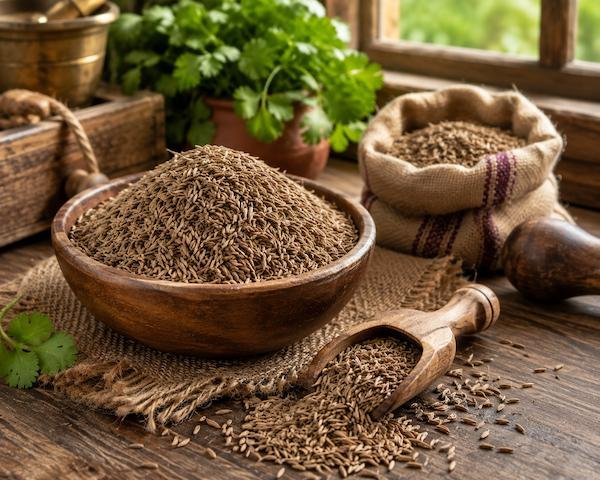
Cumin Seeds are the dried seeds of the Cuminum cyminum plant, a flowering herb belonging to the parsley family. Small, elongated, and brownish in color, they are prized for their warm, earthy aroma and slightly nutty, peppery flavor. Whole seeds release an even richer fragrance when lightly roasted, making them a staple spice in countless traditional recipes.
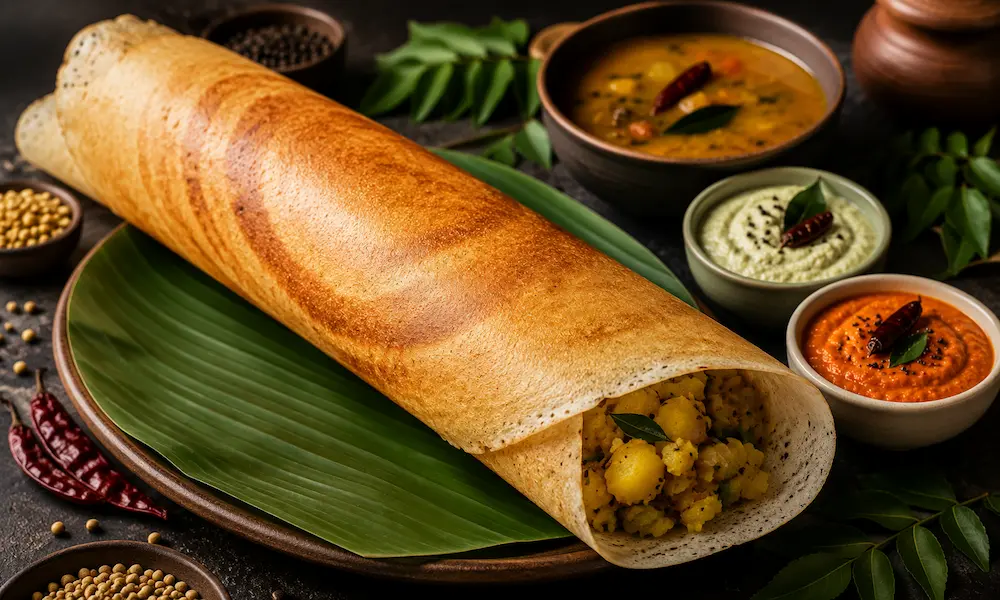
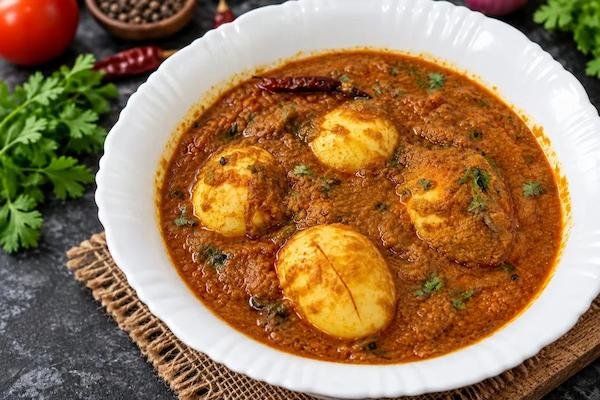
Used in cuisines across Asia, the Middle East, North Africa, and Latin America, cumin enhances curries, rice dishes, soups, stews, breads, spice blends, and marinades. It is also ground into powder for seasoning and flavoring. Besides its distinctive taste, cumin provides dietary fiber, iron, manganese, calcium, and natural antioxidant compounds, making it both a flavorful and nutritious addition to everyday cooking.
About Cumin Seeds
Cumin Seeds are the dried seeds of the Cuminum cyminum plant, a flowering herb belonging to the parsley family. Small, elongated, and brownish in color, they are prized for their warm, earthy aroma and slightly nutty, peppery flavor. Whole seeds release an even richer fragrance when lightly roasted, making them a staple spice in countless traditional recipes.
Used in cuisines across Asia, the Middle East, North Africa, and Latin America, cumin enhances curries, rice dishes, soups, stews, breads, spice blends, and marinades. It is also ground into powder for seasoning and flavoring. Besides its distinctive taste, cumin provides dietary fiber, iron, manganese, calcium, and natural antioxidant compounds, making it both a flavorful and nutritious addition to everyday cooking.
How to Use Cumin Seeds
- Temper curries.
- Season rice dishes.
- Flavor soups.
- Add to stews.
- Prepare spice blends.
- Season roasted vegetables.
- Add to marinades.
- Use in breads.
- Mix into chutneys.
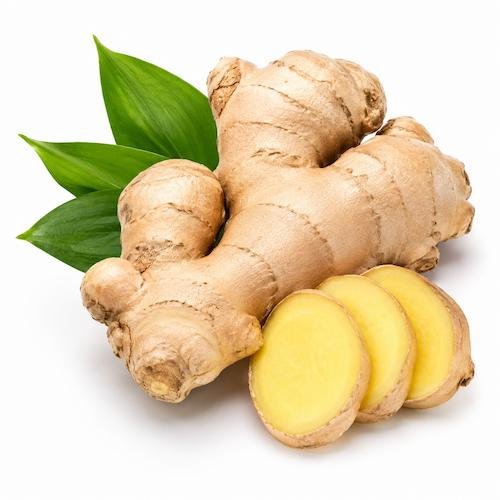
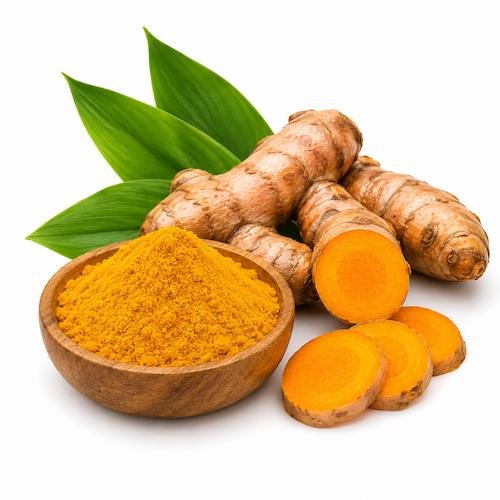
- Pair with coriander, turmeric, garlic, ginger, chili, cinnamon, cloves, and black pepper.
Storage Tips
- Store in an airtight container.
- Keep in a cool, dry place.
- Protect from direct sunlight.
- Keep away from moisture.
- Roast only before use for best aroma.
- Grind in small batches.
- Use a dry spoon when handling.
Health Benefits
- Rich in natural antioxidants.
- Good source of iron.
- Contains dietary fiber.
- Provides manganese for normal metabolism.
- Contains calcium for bone health.
- Supports healthy digestion.
- Naturally low in sodium.
- Adds flavor without excess calories.
- Contains beneficial plant compounds.
- Supports overall wellness.
Medical Insights
- Traditionally used to support digestion.
- May help reduce oxidative stress.
- Iron contributes to healthy red blood cell production.
- Fiber promotes digestive regularity.
- Manganese supports normal metabolism.
- Calcium contributes to bone health.
- May support overall nutritional balance.
- Can be included in healthy daily diets.
Side Effects
- Excess consumption may cause digestive discomfort.
- Large amounts may trigger heartburn in sensitive individuals.
- Rare allergic reactions may occur.
- Ground cumin should be stored properly to preserve quality.
- May interact with certain medications in high amounts.
- Consume in moderation.
Allergen Alert
- Cumin allergy is uncommon but possible.
- Sensitive individuals may experience allergic reactions.
- Packaged spices may contain traces of other allergens.
- Cross-contamination may occur during processing.
- Always check packaged ingredient labels.
Nutrition Information (per 100g)
| Nutrient | Amount (Per 100g) |
|---|---|
| Calories | 375 kcal |
| Carbohydrates | 44.2 g |
| Dietary Fiber | 10.5 g |
| Protein | 17.8 g |
| Fat | 22.3 g |
| Iron | 66.4 mg |
| Calcium | 931 mg |
| Potassium | 1788 mg |
| Manganese | 3.3 mg |
Fun Facts
Cumin has been used as a culinary spice for more than 4,000 years and was highly valued in ancient civilizations for its distinctive aroma. Whole cumin seeds retain their flavor much longer than ground cumin, which is why many cooks prefer grinding the seeds just before use.
The warm, earthy fragrance of cumin develops even further when the seeds are lightly roasted. Today, it remains one of the most widely used spices in the world and is an essential ingredient in countless traditional spice blends, including garam masala, curry powder, taco seasoning, and baharat.
FAQ
What are Cumin Seeds?
Cumin Seeds are the dried seeds of the Cuminum cyminum plant, widely used as a spice.
Should cumin seeds be roasted before use?
Light roasting enhances their aroma and deepens their flavor.
Are whole cumin seeds better than ground cumin?
Whole seeds retain their flavor longer, while ground cumin is more convenient for quick cooking.
Can cumin be used in both vegetarian and meat dishes?
Yes. It complements vegetables, legumes, meat, poultry, seafood, and rice dishes.
How should cumin seeds be stored?
Keep them in an airtight container away from heat, moisture, and sunlight.
Is cumin nutritious?
Yes. It contains iron, fiber, calcium, manganese, and antioxidant compounds.
What spices pair well with cumin?
Cumin pairs well with coriander, turmeric, garlic, ginger, cinnamon, cloves, and black pepper.
Can cumin seeds be ground at home?
Yes. Freshly ground cumin provides a stronger aroma and richer flavor than pre-ground spice.