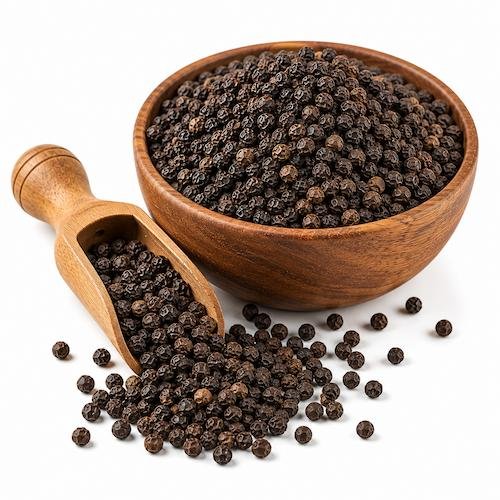
Black Pepper
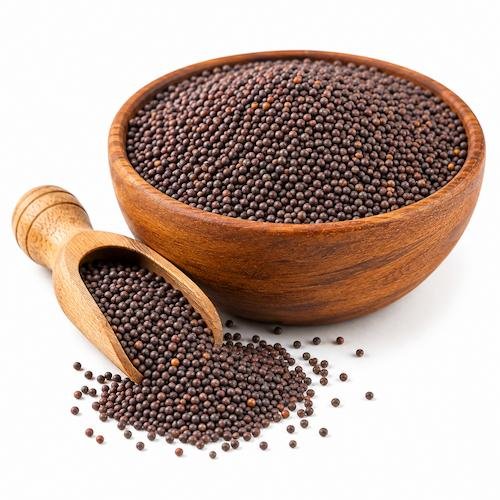
Black Pepper is the dried, unripe berry of the Piper nigrum vine and is one of the world's most widely used spices. The small, wrinkled black peppercorns have a sharp, pungent flavor and a warm, woody aroma that enhances both savory and sweet dishes. Often referred to as the "King of Spices," black pepper has been valued for centuries for its versatility and distinctive taste.
Whole peppercorns are commonly used in stocks, soups, curries, marinades, and pickles, while freshly ground black pepper is a popular seasoning for vegetables, meats, seafood, eggs, pasta, and salads. The spice contains dietary fiber, manganese, iron, potassium, and the natural compound piperine, which contributes to its characteristic heat and aroma. Its ability to complement a wide range of ingredients has made Black Pepper an indispensable spice in cuisines around the globe.
About Black Pepper
Black Pepper is the dried, unripe berry of the Piper nigrum vine and is one of the world's most widely used spices. The small, wrinkled black peppercorns have a sharp, pungent flavor and a warm, woody aroma that enhances both savory and sweet dishes. Often referred to as the "King of Spices," black pepper has been valued for centuries for its versatility and distinctive taste.
Whole peppercorns are commonly used in stocks, soups, curries, marinades, and pickles, while freshly ground black pepper is a popular seasoning for vegetables, meats, seafood, eggs, pasta, and salads. The spice contains dietary fiber, manganese, iron, potassium, and the natural compound piperine, which contributes to its characteristic heat and aroma. Its ability to complement a wide range of ingredients has made Black Pepper an indispensable spice in cuisines around the globe.
How to Use Black Pepper
- Season soups.
- Flavor curries.
- Add to marinades.
- Sprinkle over salads.
- Season grilled vegetables.
- Enhance pasta dishes.
- Use in spice blends.
- Add to pickles.
- Flavor sauces.
- Pair with garlic, ginger, butter, lemon, cumin, coriander, thyme, rosemary, and olive oil.
Storage Tips
- Store in an airtight container.
- Keep in a cool, dry place.
- Protect from direct sunlight.
- Keep away from moisture.
- Grind only when needed.
- Use a clean, dry spoon.
- Seal the container tightly after use.
Health Benefits
- Rich in natural antioxidants.
- Contains piperine, a beneficial plant compound.
- Supports healthy digestion.
- Provides manganese for normal metabolism.
- Contains dietary fiber.
- Supplies small amounts of iron.
- Naturally low in sodium.
- Adds flavor without excess calories.
- Supports overall wellness.
- Enhances culinary versatility.
Medical Insights
- Traditionally used to support digestion.
- Piperine may help reduce oxidative stress.
- May support nutrient absorption.
- Manganese contributes to normal metabolism.
- Fiber supports digestive regularity.
- Iron contributes to healthy red blood cell production.
- Supports balanced nutrition.
- Can be included in healthy daily diets.
Side Effects
- Excess consumption may irritate the stomach.
- Large amounts may aggravate acid reflux.
- Ground pepper may irritate the throat if inhaled.
- Rare allergic reactions may occur.
- May interact with certain medications.
- Consume in moderation.
Allergen Alert
- Black Pepper allergy is uncommon but possible.
- Sensitive individuals may experience irritation.
- Packaged spices may contain traces of other allergens.
- Cross-contamination may occur during processing.
- Always check ingredient labels.
Nutrition Information (per 100g)
| Nutrient | Amount (Per 100g) |
|---|---|
| Calories | 251 kcal |
| Carbohydrates | 64.8 g |
| Dietary Fiber | 25.3 g |
| Protein | 10.4 g |
| Fat | 3.3 g |
| Iron | 9.7 mg |
| Potassium | 1329 mg |
| Calcium | 443 mg |
| Manganese | 5.6 mg |
Fun Facts
Black Pepper was once so valuable that it was traded as currency in parts of Europe during the Middle Ages, earning the nickname "Black Gold." Ancient spice routes carrying pepper connected Asia with Europe and helped shape global trade for centuries.
Whole peppercorns retain their aroma much longer than ground pepper because their essential oils remain sealed inside the outer layer. Grinding them just before cooking releases their full flavor, which is why freshly cracked Black Pepper is preferred by many professional chefs.
FAQ
What is Black Pepper?
Black Pepper is the dried, unripe berry of the Piper nigrum vine and one of the world's most popular spices.
Why is Black Pepper called the "King of Spices"?
It is widely used around the world because of its versatile flavor and long history in global trade.
Should Black Pepper be ground fresh?
Yes. Fresh grinding releases more aroma and flavor than pre-ground pepper.
What gives Black Pepper its spicy taste?
The natural compound piperine is responsible for its characteristic pungency.
How should Black Pepper be stored?
Keep it in an airtight container away from heat, moisture, and sunlight.
Can whole peppercorns be used in cooking?
Yes. They are commonly added to soups, stocks, curries, and pickles.
What foods pair well with Black Pepper?
It pairs well with vegetables, meat, seafood, eggs, pasta, butter, garlic, herbs, and citrus.
Is Black Pepper available throughout the year?
Yes. Whole, cracked, and ground Black Pepper are widely available year-round.