Cinnamon
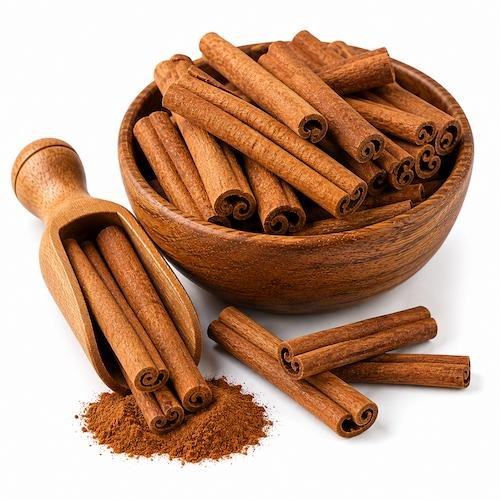
Cinnamon is an aromatic spice obtained from the inner bark of trees belonging to the Cinnamomum genus. After harvesting, the thin bark naturally curls into quills as it dries, developing the warm, sweet fragrance and delicate woody flavor that have made cinnamon one of the world's most cherished spices. Depending on the variety, such as Ceylon or Cassia, its taste may range from mildly sweet to bold and spicy.
For centuries, cinnamon has been used in cuisines across Asia, Europe, the Middle East, and the Americas. It is enjoyed whole or ground in desserts, baked goods, curries, rice dishes, beverages, spice blends, and fruit preparations. Besides its rich aroma, cinnamon contains dietary fiber, manganese, calcium, iron, and natural antioxidant compounds. Its pleasant flavor and remarkable versatility continue to make it a staple ingredient in both traditional and modern kitchens.
About Cinnamon
Cinnamon is an aromatic spice obtained from the inner bark of trees belonging to the Cinnamomum genus. After harvesting, the thin bark naturally curls into quills as it dries, developing the warm, sweet fragrance and delicate woody flavor that have made cinnamon one of the world's most cherished spices. Depending on the variety, such as Ceylon or Cassia, its taste may range from mildly sweet to bold and spicy.
For centuries, cinnamon has been used in cuisines across Asia, Europe, the Middle East, and the Americas. It is enjoyed whole or ground in desserts, baked goods, curries, rice dishes, beverages, spice blends, and fruit preparations. Besides its rich aroma, cinnamon contains dietary fiber, manganese, calcium, iron, and natural antioxidant compounds. Its pleasant flavor and remarkable versatility continue to make it a staple ingredient in both traditional and modern kitchens.
How to Use Cinnamon
- Flavor baked goods.
- Add to curries.
- Prepare spice blends.
- Brew tea and coffee.
- Cook rice dishes.
- Flavor desserts.
- Add to fruit compotes.
- Prepare marinades.
- Season oatmeal.
- Pair with cardamom, cloves, nutmeg, ginger, apples, honey, vanilla, chocolate, and oranges.
Storage Tips
- Store in an airtight container.
- Keep in a cool, dry place.
- Protect from direct sunlight.
- Keep away from moisture.
- Grind only when required.
- Use a clean, dry spoon.
- Seal the container after every use.
Health Benefits
- Rich in natural antioxidants.
- Contains beneficial plant compounds.
- Good source of manganese.
- Provides dietary fiber.
- Contains calcium for bone health.
- Supplies small amounts of iron.
- Supports healthy digestion.
- Naturally low in sodium.
- Adds flavor without excess calories.
- Contributes to overall wellness.
Medical Insights
- Traditionally used to support digestion.
- Antioxidants help reduce oxidative stress.
- May support healthy inflammatory responses.
- Manganese contributes to normal metabolism.
- Fiber promotes digestive regularity.
- Calcium supports bone health.
- May help freshen breath naturally.
- Can be included in balanced daily diets.
Side Effects
- Excess consumption may cause stomach irritation.
- Cassia cinnamon contains coumarin and should be consumed in moderation.
- Large amounts may irritate the mouth.
- Rare allergic reactions may occur.
- May interact with certain medications.
- Store properly to preserve freshness.
Allergen Alert
- Cinnamon allergy is uncommon but possible.
- Sensitive individuals may experience skin or oral irritation.
- Packaged spices may contain traces of other allergens.
- Cross-contamination may occur during processing.
- Always check ingredient labels carefully.
Nutrition Information (per 100g)
| Nutrient | Amount (Per 100g) |
|---|---|
| Calories | 247 kcal |
| Carbohydrates | 80.6 g |
| Dietary Fiber | 53.1 g |
| Protein | 4.0 g |
| Fat | 1.2 g |
| Calcium | 1002 mg |
| Iron | 8.3 mg |
| Manganese | 17.5 mg |
| Potassium | 431 mg |
Fun Facts
Cinnamon has been traded for thousands of years and was once considered so valuable that it was presented as a gift to kings and temples. Ancient traders often kept the exact origin of the spice secret, making it even more desirable and expensive.
Although both Ceylon and Cassia are sold as cinnamon, they come from different tree species and have distinct flavors. Ceylon cinnamon is milder and sweeter, while Cassia has a stronger, spicier taste, making each suitable for different culinary traditions.
FAQ
What is cinnamon?
Cinnamon is a spice made from the dried inner bark of trees belonging to the Cinnamomum genus.
What is the difference between Ceylon and Cassia cinnamon?
Ceylon cinnamon has a milder, sweeter flavor, while Cassia is stronger, darker, and more pungent.
Can cinnamon be used in savory dishes?
Yes. It is commonly added to curries, rice dishes, marinades, and spice blends.
How should cinnamon be stored?
Keep it in an airtight container away from heat, moisture, and direct sunlight.
Is ground cinnamon the same as cinnamon sticks?
Yes. Ground cinnamon is simply powdered cinnamon bark, while sticks are whole dried quills.
What foods pair well with cinnamon?
It pairs well with apples, oranges, chocolate, honey, cardamom, cloves, ginger, and vanilla.
Can cinnamon be added to beverages?
Yes. It is widely used in tea, coffee, hot chocolate, and warm milk-based drinks.
Why does cinnamon have a sweet aroma?
Its natural essential oils contain aromatic compounds that give cinnamon its signature warm, sweet fragrance.