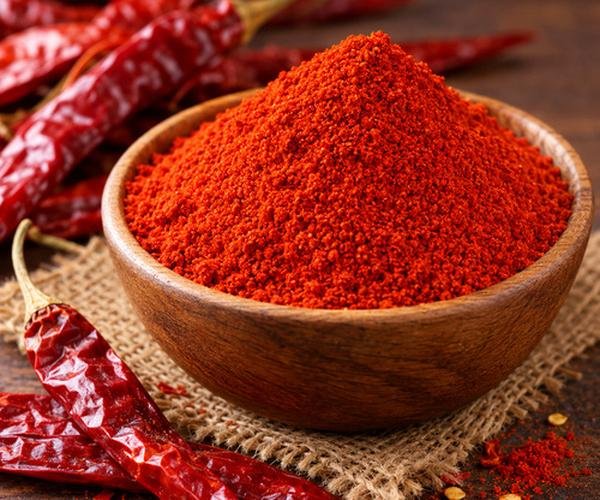
Red Chilli Powder
Red chilli powder, known as lal mirch powder in India, is a widely used spice made by drying ripe red chilli peppers and grinding them into a fine powder. Commonly produced from Capsicum annuum, it brings heat, aroma and a vivid red colour to everyday cooking.
Its pungency varies by chilli variety, from mild, colour-rich powders to intensely hot blends. Capsaicin is mainly responsible for the burning sensation, while carotenoid pigments give many chillies their red appearance. In Indian kitchens, red chilli powder is added to curries, dals, vegetable dishes, marinades, chutneys, pickles, snacks and spice mixes. Kashmiri chilli powder is often chosen for colour and gentle heat, while varieties such as Teja can be much hotter. The powder is also used in sauces, soups, stews and seasoning blends around the world. Keep it dry and sealed to preserve its aroma, colour and flavour when sealed.
About Red Chilli Powder
Red chilli powder, known as lal mirch powder in India, is a widely used spice made by drying ripe red chilli peppers and grinding them into a fine powder. Commonly produced from Capsicum annuum, it brings heat, aroma and a vivid red colour to everyday cooking.
Its pungency varies by chilli variety, from mild, colour-rich powders to intensely hot blends. Capsaicin is mainly responsible for the burning sensation, while carotenoid pigments give many chillies their red appearance. In Indian kitchens, red chilli powder is added to curries, dals, vegetable dishes, marinades, chutneys, pickles, snacks and spice mixes. Kashmiri chilli powder is often chosen for colour and gentle heat, while varieties such as Teja can be much hotter. The powder is also used in sauces, soups, stews and seasoning blends around the world. Keep it dry and sealed to preserve its aroma, colour and flavour when sealed.
How to Use Red Chilli Powder
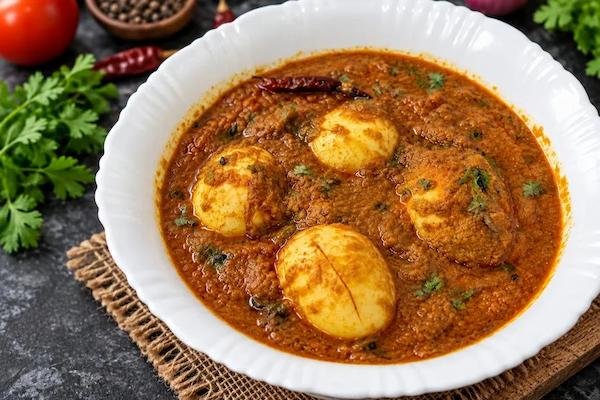
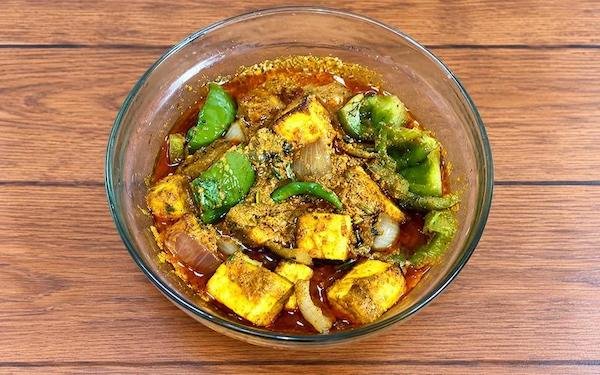
- Curries and gravies: Chicken curry, paneer masala, rajma and vegetable curries.
- Dal and vegetables: Dal tadka, aloo sabzi, bhindi and mixed vegetables.
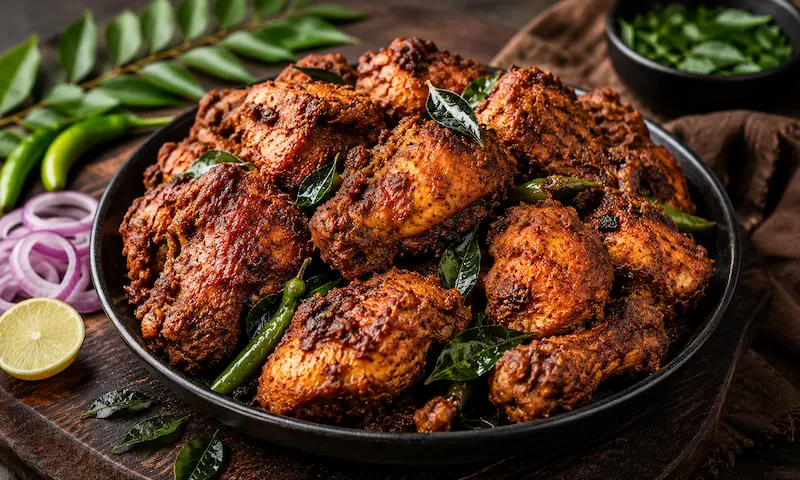
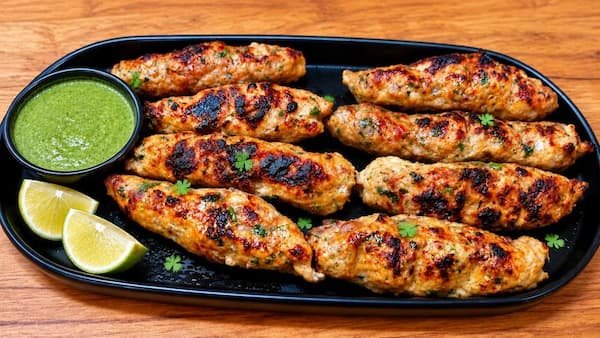
- Marinades: Chicken, fish, paneer and vegetables with yoghurt, lemon, garlic and ginger.
- Rice dishes: Biryani masala, pulao and spicy fried rice.
- Snacks: Pakoras, samosas, chaat and savoury mixtures.
- Pickles and chutneys: Adds heat and colour to Indian condiments.
- International dishes: Sauces, soups, stews, spice rubs and roasted vegetables.
- Pairs well with: Turmeric, cumin, coriander, black pepper, garam masala, ginger, garlic, onion, tomato, lemon, yoghurt and mustard oil.
Storage Tips
- Store in a clean, dry, airtight container.
- Keep in a cool, dark place away from direct sunlight and stove heat.
- Always use a dry spoon.
- Protect the powder from steam and moisture.
- Close the lid firmly after every use.
- Discard it if it develops mould, insects, damp clumps or an unusual smell.
Health Benefits
- Antioxidant compounds: Red chilli contains carotenoid pigments and other plant compounds with antioxidant activity.
- Adds flavour with little added energy: Small quantities add colour, pungency and flavour without requiring extra sugar or fat.
- Provides some nutrients: Dried chilli powder contains dietary fibre, vitamins and minerals, although typical serving sizes are small.
- May temporarily affect energy expenditure: Capsaicin has been studied for modest short-term effects on metabolism; chilli powder is not a proven standalone weight-loss treatment.
- Enhances food variety: Its distinctive heat and flavour can make meals more enjoyable for people who tolerate spicy foods.
Medical Insights
- Capsaicin: The main pungent compound responsible for the burning sensation of hot chillies.
- Carotenoids: Natural pigments, including red pigments, that contribute to chilli colour and antioxidant activity.
- Nutritional contribution: Chilli powder contains various nutrients, but the amount consumed per serving is usually small.
- Metabolism: Capsaicin has been studied for its possible short-term effects on energy expenditure; evidence does not support treating chilli powder as a standalone weight-management solution.
- Important: Red chilli powder is a culinary ingredient, not a substitute for prescribed medication.
Side Effects
- May cause burning in the mouth and throat.
- Can trigger heartburn, acid reflux, abdominal discomfort or diarrhoea in sensitive people.
- Direct contact with eyes can cause intense irritation.
- Very hot varieties may cause considerable discomfort when consumed in large amounts.
- People with digestive sensitivities may need to reduce or avoid it if it triggers symptoms.
Allergen Alert
- True chilli allergy is uncommon but possible.
- Potential symptoms include itching, hives, swelling or digestive symptoms.
- Capsaicin-related burning is irritation and does not automatically indicate an allergy.
- Commercial blends may contain additional spices or other ingredients; check the label for allergens.
- Seek emergency medical care for breathing difficulties or swelling of the throat.
Nutrition Information (per 100g)
| Nutrient | Amount per 100 g |
|---|---|
| Calories | 282 kcal |
| Carbohydrates | 49.70 g |
| Sugars | 7.19 g |
| Dietary Fiber | 34.8 g |
| Protein | 13.46 g |
| Total Fat | 14.28 g |
| Saturated Fat | 2.46 g |
| Monounsaturated Fat | 3.21 g |
| Polyunsaturated Fat | 8.01 g |
| Calcium | 330 mg |
| Magnesium | 149 mg |
| Phosphorus | 300 mg |
| Potassium | 1,950 mg |
| Sodium | 2,867 mg |
| Iron | 17.3 mg |
| Zinc | 4.3 mg |
| Vitamin C | 0.7 mg |
| Vitamin A | 1,483 µg |
| Folate | 28 µg |
Fun Facts
Red chillies originated in the Americas and spread to Asia through historical trade.
In India, red chilli powder is commonly called lal mirch powder.
Capsaicin is mainly responsible for the pungency of hot chillies.
The Scoville scale measures chilli pepper pungency.
Kashmiri chilli powder is often selected for its rich colour and comparatively mild heat.
Teja chilli is known for its stronger pungency.
Red chilli powder is used for both flavour and colour in cuisines around the world.
FAQ
What is red chilli powder?
Red chilli powder, also called lal mirch powder, is made by drying ripe red chilli peppers and grinding them into a fine powder used to add heat, flavour and colour to food.
What is the scientific name of red chilli?
Capsicum annuum L. is a commonly used botanical name for cultivated red chillies, although some chilli varieties belong to other Capsicum species.
Is red chilli powder the same as Kashmiri chilli powder?
Not always. Kashmiri chilli powder is generally valued for its rich red colour and relatively mild heat, while other red chilli powders can be much hotter.
How spicy is red chilli powder?
Its heat depends on the chilli variety, growing conditions and processing method. Some powders are mildly warm, while others have intense pungency.
How should red chilli powder be stored?
Store it in an airtight container in a cool, dry and dark place. Keep moisture and direct heat away to preserve its colour, aroma and flavour.
Does red chilli powder expire?
Red chilli powder gradually loses its aroma, colour and pungency. Follow the package date and discard it if it becomes damp, mouldy or develops an unusual smell.
Can red chilli powder cause acidity?
Yes. It may trigger heartburn, acid reflux or digestive discomfort in sensitive people, particularly when consumed in large quantities.
Can red chilli powder be used in marinades?
Yes. It works well in marinades for chicken, fish, paneer and vegetables when combined with ingredients such as yoghurt, lemon juice, ginger, garlic and other spices.
Is red chilli powder available throughout the year?
Yes. Although fresh red chillies are harvested seasonally, dried red chilli powder is generally available throughout the year.
What is the difference between chilli powder and chilli flakes?
Chilli powder is finely ground dried chilli, while chilli flakes consist of coarsely crushed dried chilli pieces. Their texture and distribution of heat can differ.