Saffron
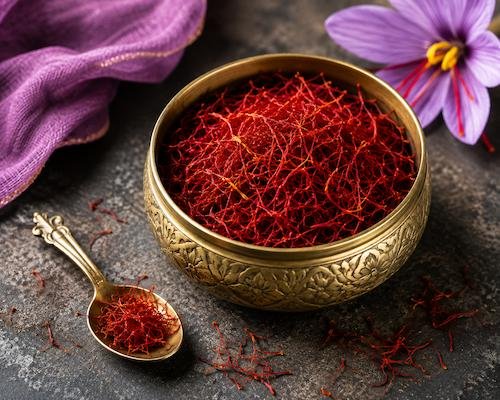
Saffron is a prized spice obtained from the delicate crimson stigmas of the Crocus sativus flower. Each flower produces only three tiny stigmas, which are carefully harvested by hand and gently dried to preserve their aroma, color, and flavor. Its distinctive floral fragrance, subtle earthy sweetness, and brilliant golden hue have earned saffron the reputation of being one of the world's most valuable spices.
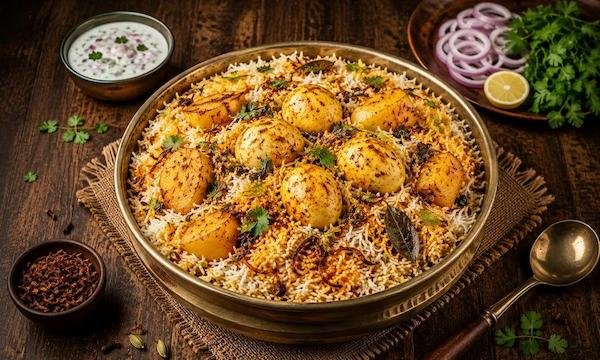
Used in cuisines across Asia, the Middle East, Europe, and North Africa, saffron enhances rice dishes, biryanis, desserts, breads, beverages, sauces, and festive recipes. A small pinch is enough to impart rich color and aroma to an entire dish. Besides its culinary appeal, saffron contains natural antioxidant compounds along with small amounts of manganese, iron, potassium, vitamin C, and dietary fiber, making it a treasured ingredient in traditional and modern cooking.
About Saffron
Saffron is a prized spice obtained from the delicate crimson stigmas of the Crocus sativus flower. Each flower produces only three tiny stigmas, which are carefully harvested by hand and gently dried to preserve their aroma, color, and flavor. Its distinctive floral fragrance, subtle earthy sweetness, and brilliant golden hue have earned saffron the reputation of being one of the world's most valuable spices.
Used in cuisines across Asia, the Middle East, Europe, and North Africa, saffron enhances rice dishes, biryanis, desserts, breads, beverages, sauces, and festive recipes. A small pinch is enough to impart rich color and aroma to an entire dish. Besides its culinary appeal, saffron contains natural antioxidant compounds along with small amounts of manganese, iron, potassium, vitamin C, and dietary fiber, making it a treasured ingredient in traditional and modern cooking.
How to Use Saffron
- Flavor biryanis.
- Prepare pulao.
- Add to desserts.
- Infuse warm milk.
- Make festive sweets.
- Flavor sauces.
- Prepare herbal beverages.
- Add to baked goods.
- Use in seafood dishes.
- Pair with cardamom, cinnamon, rose water, pistachios, almonds, milk, rice, vanilla, and cream.
Storage Tips
- Store in an airtight container.
- Keep in a cool, dry place.
- Protect from direct sunlight.
- Keep away from moisture.
- Avoid prolonged exposure to air.
- Use dry utensils while handling.
- Keep away from strong odors.
Health Benefits
- Rich in natural antioxidants.
- Contains beneficial plant compounds.
- Provides manganese for normal metabolism.
- Contains small amounts of iron.
- Supplies potassium for muscle function.
- Supports healthy digestion.
- Naturally low in sodium.
- Adds color and flavor naturally.
- Contains vitamin C in small amounts.
- Contributes to overall wellness.
Medical Insights
- Traditionally used to support overall well-being.
- Antioxidants help reduce oxidative stress.
- May support healthy mood.
- Manganese contributes to normal metabolism.
- Iron supports healthy red blood cell production.
- Potassium supports normal muscle function.
- Supports balanced nutrition.
- Can be included in healthy daily diets.
Side Effects
- Consume only in culinary quantities.
- Excessive intake may be harmful.
- Rare allergic reactions may occur.
- May interact with certain medications.
- High amounts are not recommended during pregnancy unless advised by a healthcare professional.
- Store properly to maintain quality.
Allergen Alert
- Saffron allergy is uncommon but possible.
- Sensitive individuals may experience allergic reactions.
- Packaged saffron may be processed alongside other spices.
- Cross-contamination may occur during packaging.
- Always check product labels carefully.
Nutrition Information (per 100g)
| Nutrient | Amount (Per 100g) |
|---|---|
| Calories | 310 kcal |
| Carbohydrates | 65.4 g |
| Dietary Fiber | 3.9 g |
| Protein | 11.4 g |
| Fat | 5.9 g |
| Iron | 11.1 mg |
| Potassium | 1724 mg |
| Manganese | 28.4 mg |
| Calcium | 111 mg |
Fun Facts
Saffron is often called the "Golden Spice" because of both its brilliant color and its exceptional value. Producing just one kilogram of saffron requires harvesting hundreds of thousands of flowers by hand, making it one of the world's most labor-intensive spices.
Although only a few strands are needed in cooking, saffron can transform an entire dish with its distinctive aroma and rich golden color. For centuries, it has been treasured in royal kitchens and festive celebrations, symbolizing luxury, hospitality, and fine cuisine across many cultures.
FAQ
What is saffron?
Saffron is a premium spice made from the dried crimson stigmas of the Crocus sativus flower.
Why is saffron so expensive?
Each flower produces only three stigmas, and all harvesting is done by hand, making production extremely labor-intensive.
How should saffron be used in cooking?
It is usually soaked in warm water or milk before being added to recipes to release its color and aroma.
Can saffron be used in desserts?
Yes. It is widely used in sweets, puddings, cakes, ice creams, and festive desserts.
How should saffron be stored?
Store it in an airtight container away from light, moisture, and strong odors.
What foods pair well with saffron?
It pairs well with rice, milk, almonds, pistachios, cardamom, cinnamon, cream, and seafood.
Is a large quantity of saffron needed for cooking?
No. A small pinch is usually enough to flavor and color an entire dish.
Is saffron available throughout the year?
Yes. Although harvested seasonally, dried saffron threads are sold year-round.